
Load testing for software architects
Validate the assumption, not the diagram.

Every architecture carries assumptions about capacity, latency and failure. LoadFocus lets you test them against the running system, from the regions your users are in, while changing the design is still cheap.


Designs fail at the seams

A component that performs well in isolation can still sink a system, because the interesting failures happen between services: a retry storm amplifying load, a pool exhausted by a slow dependency, a cache that stops absorbing traffic exactly when it is needed. Those only appear when the whole path is under concurrent load.


Testing an architecture

Model the real traffic shape

Distribute virtual users across regions in the proportions your traffic actually arrives in, so cross-region latency is part of the result rather than a footnote.

Push past the expected peak

The number worth knowing is not whether the system survives forecast load, it is where it stops surviving and what fails first. Raise concurrency until something gives.

Keep the evidence for the decision record

Runs are stored and comparable, so a capacity claim in a design document can point at a measurement and a date rather than at a conversation.


Where to go next


LoadFocus for architects: FAQ

How do I test a system rather than a single service?

Drive load through the entry point users actually use, so the request crosses the same services, caches and dependencies it does in production. Testing one service in isolation validates that service, not the architecture.

Can load be distributed across regions?

Yes. A single test can run from several of the 25 cloud regions at once, with the virtual users split between them.

What should I measure besides response time?

Error rate and throughput alongside percentile latency. A system that stays fast by shedding a tenth of its requests is not fast, and an average response time will not show you that.

How does this help with capacity planning?

It replaces an estimate with a measured breaking point. Once you know the concurrency at which the system degrades, headroom becomes a number rather than a feeling.

Can I monitor the services after the design ships?

Yes. API checks, multistep checks that chain requests, and TCP or DNS monitors run on a schedule from the same regions, so the assumptions keep being tested after launch.

What happens to results over time?

Runs are retained and comparable, which is what lets a later regression be attributed to a change rather than argued about.

Learn more. Read on our blog.

Outgrown your testing tools?

Load test websites and APIs from 25+ cloud regions, monitor page speed and uptime, and get AI analysis that explains your results in plain English.Start for free
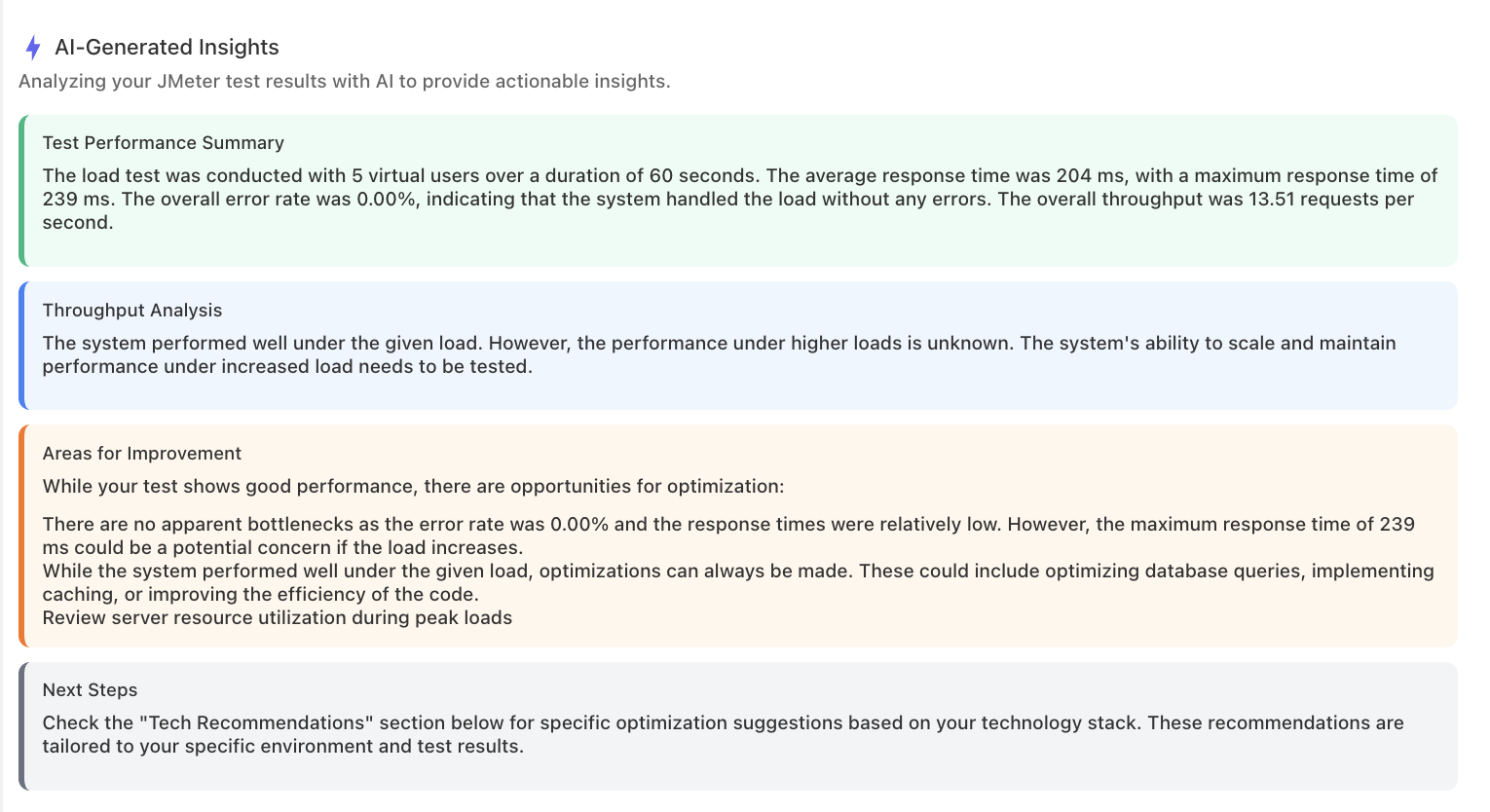
AI analysis of a load test result: performance summary, throughput analysis, and recommended improvements in plain English

We'll help you get started

Browse use cases, getting started videos, tutorials, and our showcase to find what you need to succeed with LoadFocus, and as a business.

Learn

Browse our documentation covering everything from use cases to getting started guided and videos.

Explore

Tools to make your testing development and overall experience much better.


A newsletter that sparks joy

Get notified about our upcoming features and articles.


×