What is Hits per Second in Performance Testing?

Apache JMeter Load Testing.

What is Hits per Second in Performance Testing?

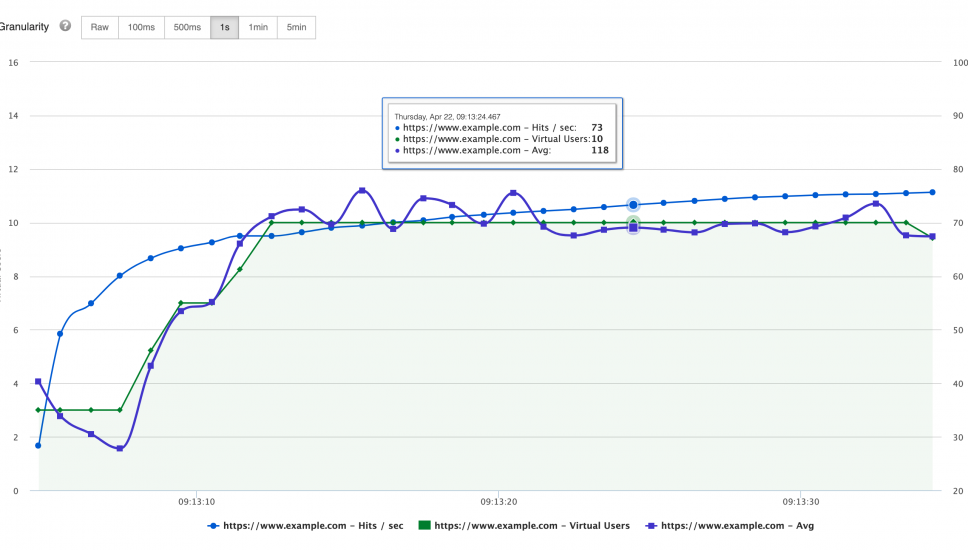
2 minutes readKey takeaways Hits per second counts every request including assets, so it exceeds page views substantially. It shows server workload rather than user activity. Compare it with throughput and response time; alone it says little. Hits per second represents the number of requests sent to the server in one second (the load which the server… Read more »

How to Load Test RESTful APIs with LoadFocus

Apache JMeter Load Testing.

How to Load Test RESTful APIs with LoadFocus

3 minutes readKey takeaways Load test the endpoints your clients actually call, weighted the way they call them. Send realistic payloads and headers, since size and content change server behaviour. Assert on the response body as well as the status code. In order to learn how to test your APIs, especially how to load test your APIs,… Read more »

Understanding Standard Deviation in Performance Testing

Load Testing Test Automation.

Understanding Standard Deviation in Performance Testing

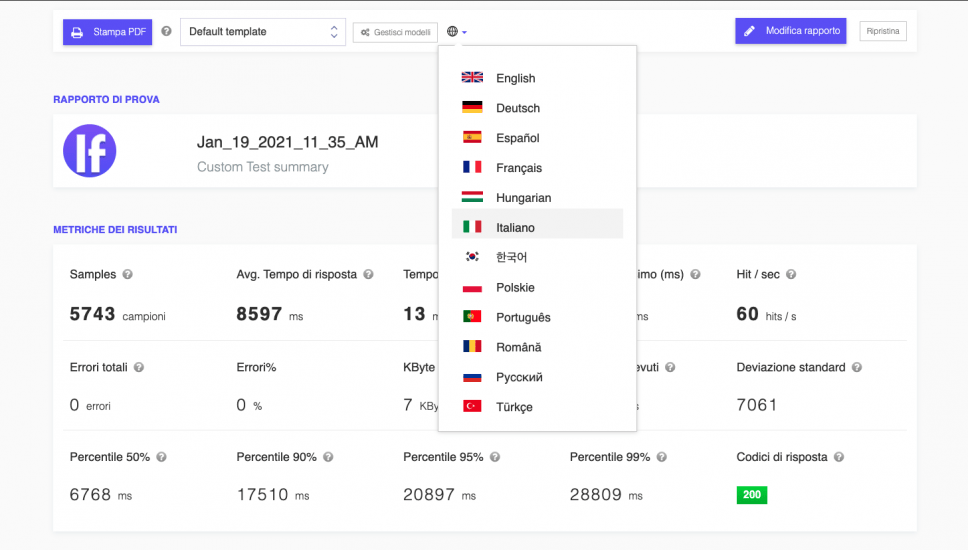
2 minutes readKey takeaways A high standard deviation means inconsistent response times, which users notice more than a slow average. Two runs with the same mean can behave completely differently, and this is how you tell. Pair it with percentiles rather than reporting either alone. Standard Deviation is an important metric in performance testing analysis and informs… Read more »

Record and Run JMeter Load Tests in the Cloud: Ultimate Chrome Extension for Performance Testing

Apache JMeter Load Testing.

Record and Run JMeter Load Tests in the Cloud: Ultimate Chrome Extension for Performance Testing

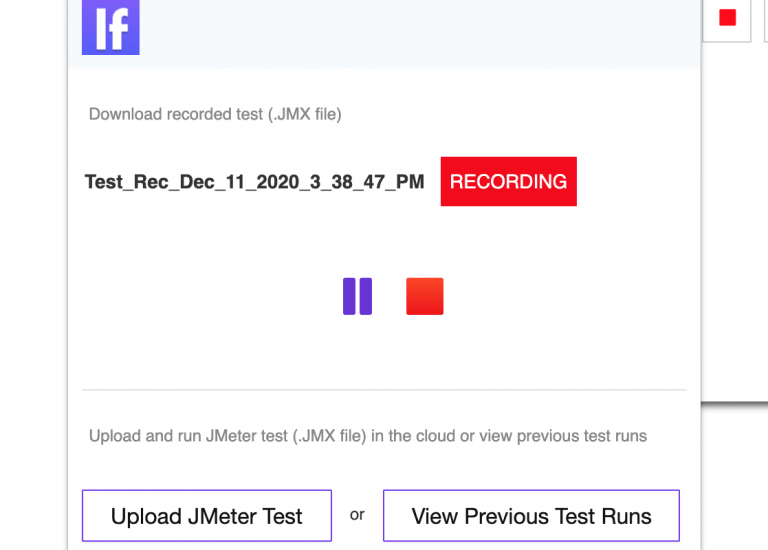
6 minutes readKey takeaways Recording in the browser captures the real request sequence including headers you would otherwise miss. Strip analytics and third-party calls from the recording before running it. Parameterise the captured values; a replay of one session is not a load test. Performance testing is more critical than ever. Whether you’re dealing with complex microservices… Read more »