





What is JMeter Distributed Testing?
JMeter Distributed Testing is the open-source pattern of running Apache JMeter in master/worker mode across multiple machines to generate load beyond what a single JVM can produce. You install JMeter on a master + N worker machines, configure RMI/SSL, manage thread distribution, aggregate results manually. Where it falls short for most teams: significant DevOps overhead (provision + configure + maintain N machines), Java/JVM tuning for high-throughput, RMI port + firewall headaches, result aggregation is manual, no built-in dashboards/alerts, and the total cost (infra + engineering time) often exceeds SaaS alternatives.
When self-hosted JMeter distributed is the right pick
- You need to run load tests inside your private network (intranet apps, VPN-only services).
- You have a dedicated performance-engineering team comfortable with JVM tuning + RMI configuration.
- You want full control over the JMeter version, plugins, JVM heap, network conditions.
- You're an enterprise where the per-test cost of SaaS alternatives is prohibitive.
Where self-hosted JMeter distributed leaves gaps
- DevOps overhead. Provisioning N machines, JMeter installs, RMI port configuration, network ACLs, days to weeks of setup.
- JVM tuning. Heap size, GC config, thread pools, easy to misconfigure, hard to debug at high throughput.
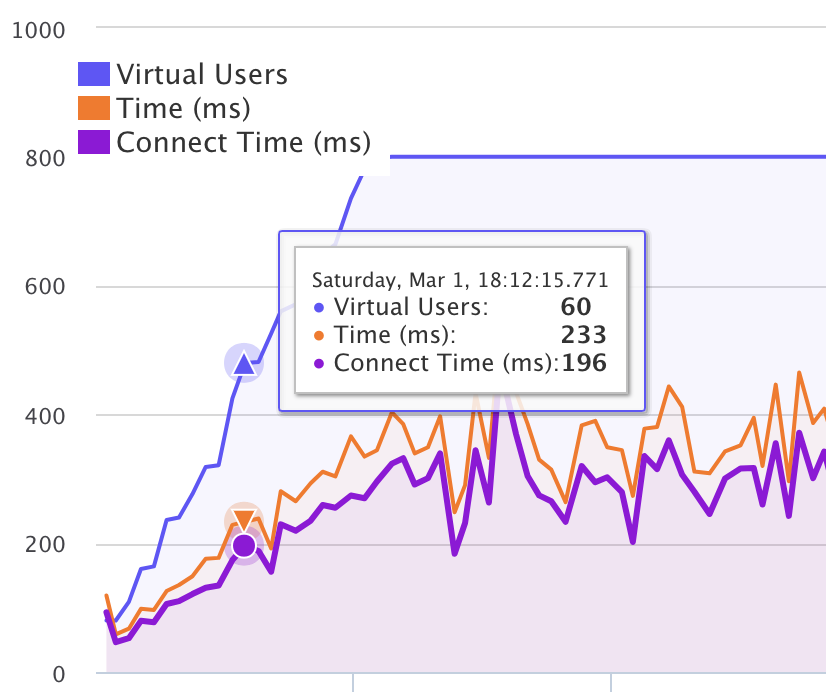
- No built-in dashboards/alerts. Aggregate JTL files manually, build Grafana dashboards yourself, wire alerting plumbing.
- Master bottleneck. Classic JMeter master/worker pattern hits limits at 1000+ concurrent users due to RMI overhead.
- Result storage + history. JTL files everywhere; no historical comparison without manual ETL into InfluxDB/Grafana.
LoadFocus vs. self-hosted JMeter Distributed: comparison
| Feature | LoadFocus | Self-hosted JMeter Distributed |
|---|---|---|
| JMeter cloud execution | Yes, .jmx unchanged | Yes (you operate the infra) |
| k6 cloud execution | Yes, .js scripts | No (separate setup) |
| Hosted infrastructure | Yes. SaaS | No (DIY) |
| Built-in dashboards | Yes | Grafana (you configure) |
| Result history + comparison | Yes. 90+ days | DIY (InfluxDB or similar) |
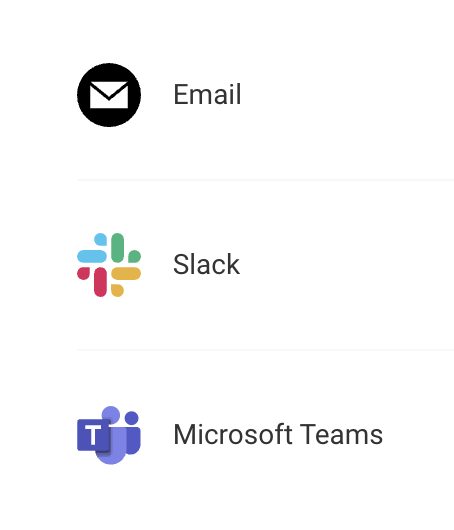
| Alerts on threshold | Yes, email/Slack/webhook | DIY wiring |
| Private/VPN-only testing | No (SaaS only) | Yes (run inside your network) |
| JVM tuning required | No (managed) | Yes (you tune) |
| Pricing | Flat SaaS, ~$19/mo | Infra + engineering time |
| Setup time | Minutes | Days-to-weeks |
When LoadFocus is the right pick
- You want hosted JMeter cloud execution: no master/worker DevOps.
- You need built-in dashboards + history + alerts: not DIY Grafana plumbing.
- Your endpoints are public-internet-accessible (LoadFocus can't test private VPN-only services).
- You want k6 + JMeter together (k6 is the modern alternative to JMeter master/worker for high-throughput).
- You're a small-to-mid team where infrastructure cost + maintenance time exceeds SaaS.
Migrating from self-hosted JMeter Distributed
- Identify your existing .jmx scripts + the test parameters (thread count, ramp-up, duration, target URLs).
- Upload to LoadFocus unchanged: same Apache JMeter engine, scripts run identically. No conversion needed.
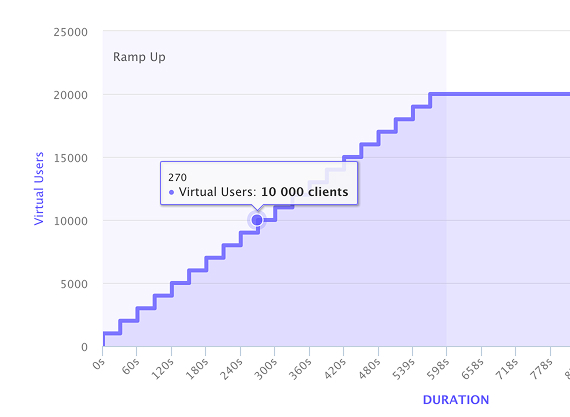
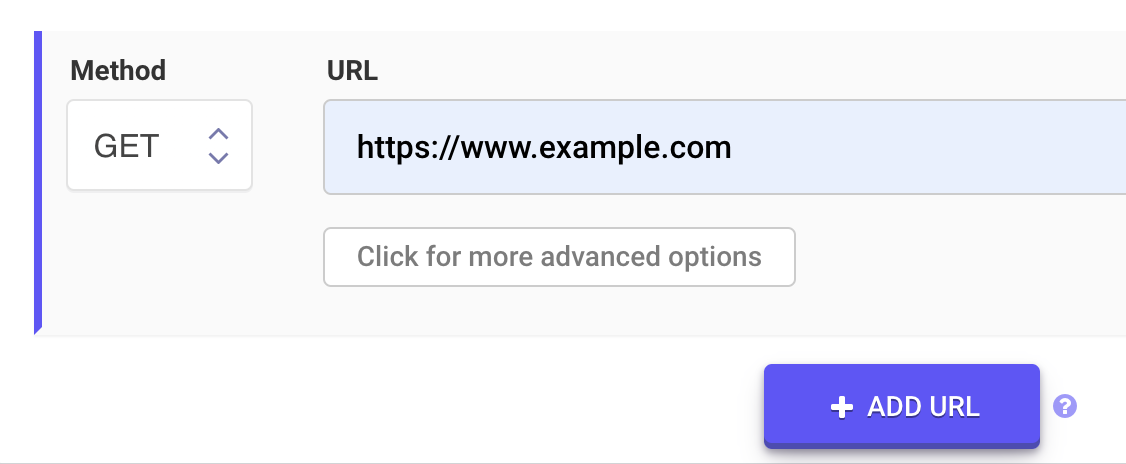
- Configure cloud parameters in LoadFocus UI (VU count, region, duration). LoadFocus handles the distribution + aggregation.
- Decommission your JMeter master/worker infrastructure once side-by-side runs confirm result parity.
- If you still need private-network testing, keep a minimal local JMeter setup for those specific cases.
FAQ: LoadFocus vs self-hosted JMeter Distributed
Can my .jmx scripts run on LoadFocus unchanged?
Yes. LoadFocus uses upstream Apache JMeter. Any .jmx that works in your master/worker setup will run on LoadFocus, modulo plugin compatibility (most public plugins supported).
Is LoadFocus cheaper than self-hosting?
Usually yes once you count total cost: EC2 instances (master + workers), engineering time to provision + maintain + tune, monitoring/alerting infrastructure, on-call time. LoadFocus at ~$19/mo flat replaces ~$100-500/mo of infra + significant ops overhead for typical workloads.
How many concurrent users can LoadFocus run?
Thousands to tens of thousands depending on tier. The master/worker bottleneck that limits self-hosted JMeter at 1000+ users is handled by LoadFocus's distributed cloud architecture, you don't hit that wall.
What about k6 for high-throughput?
k6 (Go-based, async-IO) handles higher throughput per VU than JMeter (JVM threads). LoadFocus runs both, if your JMeter setup is hitting limits, k6 cloud execution is a clean migration path.
Can LoadFocus test private/VPN-only services?
No. LoadFocus is SaaS-only. For private-network testing, keep a local JMeter setup or use a self-hosted SaaS like RedLine13 (BYO-AWS).
How do I migrate gradually?
Run side-by-side for one release cycle. Upload your .jmx to LoadFocus, run the same test schedule, compare result parity (p95/p99/error-rate). Once you trust LoadFocus's numbers, decommission the master/worker setup.
Get started with LoadFocus
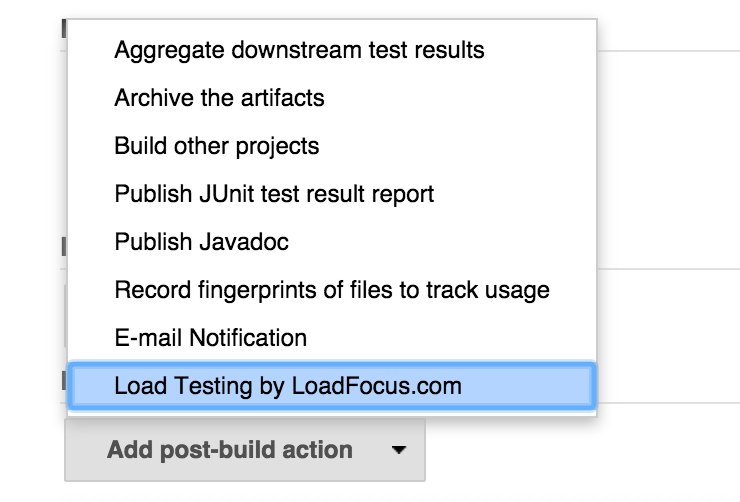
Sign up free and upload your first JMeter .jmx or k6 .js, no master/worker setup, no RMI ports, hosted dashboards included.