
Top 5 Continuous Integration (CI) tools in 2026
Continuous integration tools compared: pipeline speed decides whether CI gets used, ecosystem fit saves weeks, and self-hosting means a runner fleet to run.
Comparisons are side-by-side roundups of testing and DevOps tools. You'll find the best load testing and JMeter tools, APM, DNS, Redis and Core Web Vitals monitoring tools, codeless and Android test automation tools, CI servers, bug trackers and security testing tools, each with what it does well and the kind of team it suits.
Continuous integration tools compared: pipeline speed decides whether CI gets used, ecosystem fit saves weeks, and self-hosting means a runner fleet to run.

Chrome developer tools for mobile: remote USB debugging shows the real device, device mode is for layout, and throttling shows what slow connections do.

Performance testing companies in 2026: hire for a one-off launch rather than continuous testing, and ask whether they leave scripts behind or just a report.
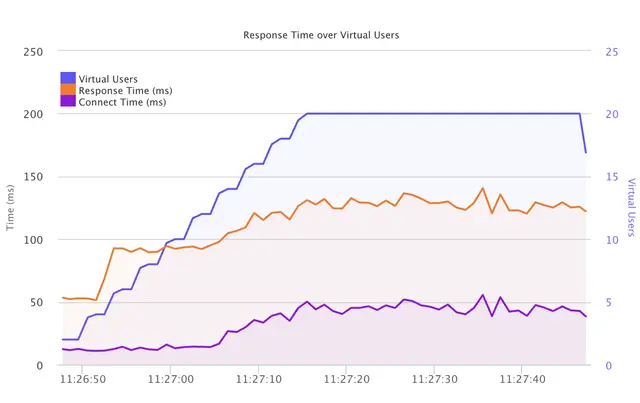
gRPC load testing tools must speak HTTP/2 and protobuf. Compare five options, and test streaming calls separately because they behave differently under load.

Bug tracking tools compared: the workflow matters more than the tool, repository integration keeps issues tied to code, and reporting surfaces repeat bugs.

Android app automation testing tools compared: Appium for cross-platform reuse, Espresso for speed, and why device coverage costs more than the framework.

Mobile app security testing tools: static and dynamic analysis find different problems, insecure storage is the common finding, so test the release build.

Penetration testing tools find known issue classes while testers find system-specific ones. Scan regularly, pen test periodically, and get authorisation first.

Accessibility testing tools find only part of the issues: axe-core says about 57% of WCAG issues on average. Compare the tools, then add manual checks.

Website speed test tools for 2026: combine lab diagnostics with field data, test from your users' regions, and chase specific fixes rather than the score.

SAP testing tools for 2026: transaction coverage and test data matter more than the framework, and upgrades drive regression cycles that automation repays.

Cross-browser testing tools for 2026: test the browsers in your analytics, use real devices for rendering bugs, and run in parallel to keep CI viable.

Codeless testing tools let more people write tests, but they struggle with dynamic content, and recorded tests break on layout changes. Compare 10 options.

IoT testing tools for 2026: connectivity and protocol coverage matter more than device count. Simulate fleets, validate on real devices, test firmware updates.
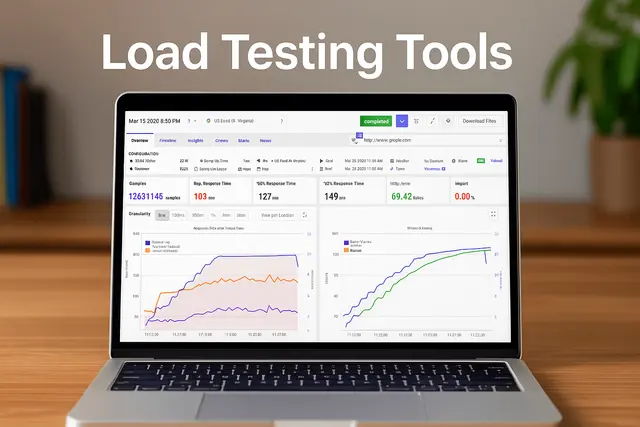
Enterprise load testing tools for 2026 compared on distribution, access control, reporting and CI fit, plus the expertise budget that often exceeds the licence.
Test automation statistics for 2026, and how to read them: useful for direction and framing investment, not for benchmarking or setting your team's targets.

Negative testing checks that a system rejects what it should. Cover invalid, boundary and malformed inputs, and assert on the error returned, not just failure.

Black box testing techniques that work from the specification: boundary values and equivalence partitions give the most coverage for each test written.
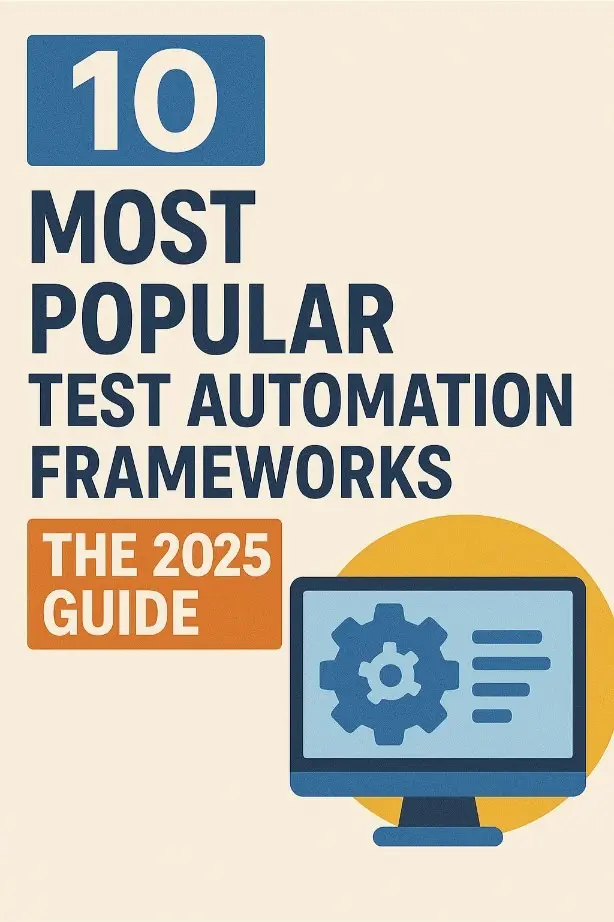
Test automation frameworks for 2026: pick one in your team's language, run it headless in CI, and remember test design matters more than framework choice.
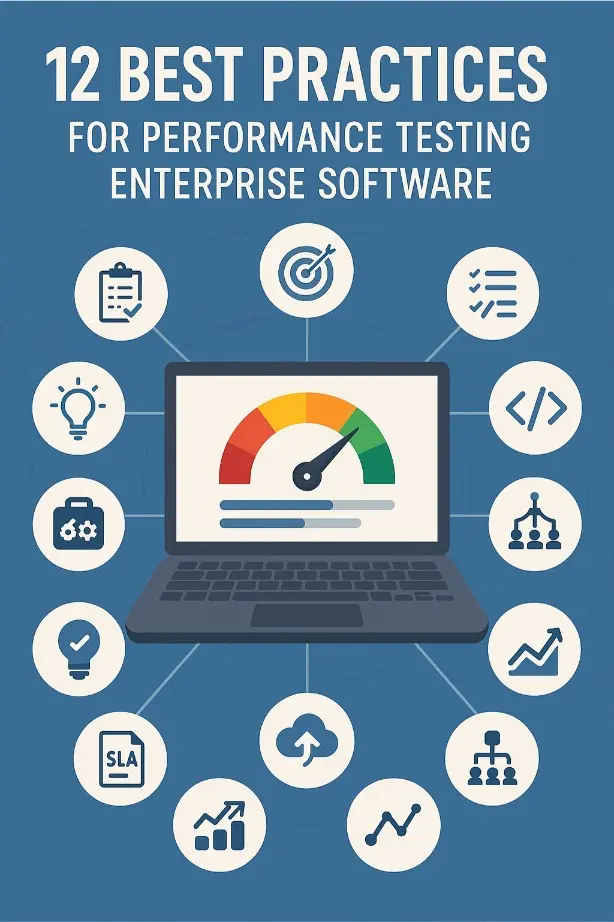
Performance testing best practices for enterprise software: set pass criteria first, use realistic data volumes, and test batch and integration windows too.
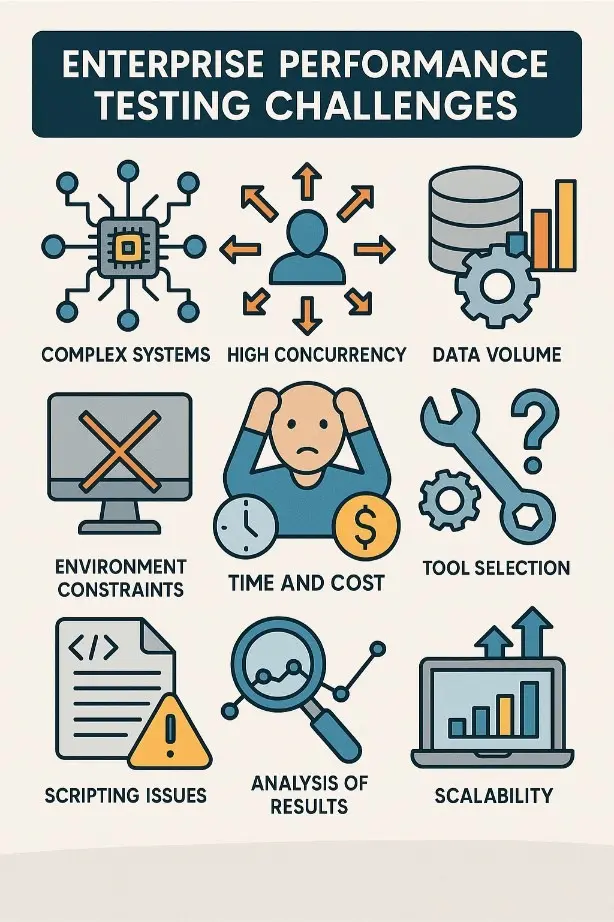
Enterprise performance testing challenges: environment parity, test data and team coordination block releases, and testing late makes findings architectural.
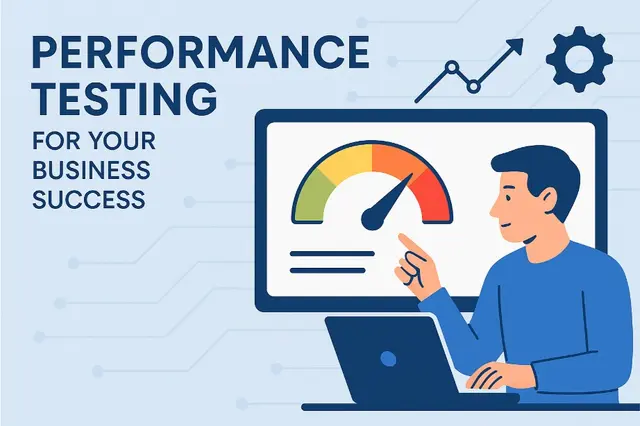
Performance testing benefits for your business: slow pages lose conversions, early testing costs less, and results should be framed as revenue protected.
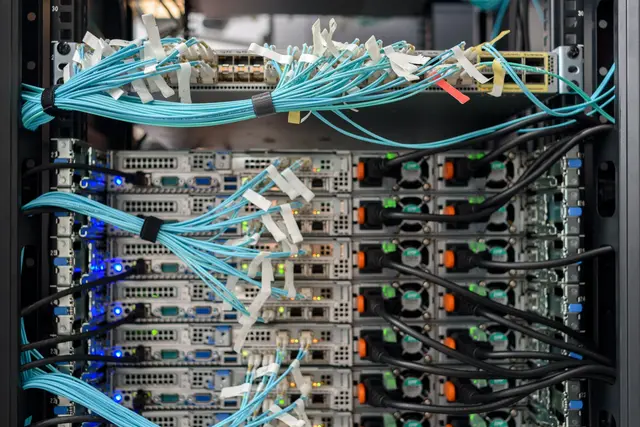
DNS monitoring tools for 2026: DNS failures take everything down unseen by app monitoring, so check several resolvers and regions, plus expiry and DNSSEC.

IT asset management software for 2026: automatic discovery, licence compliance and ticketing integration matter more than the asset database itself.

Infrastructure monitoring tools for 2026: collect metrics, logs and traces, alert only on user-visible symptoms, and set a retention policy before costs grow.
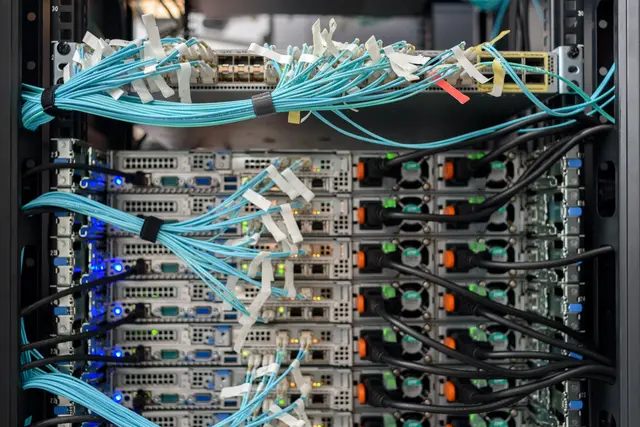
Server monitoring software for 2026: agent-based for depth, agentless for coverage. Alert on saturation and error rate, and plan retention and alert routing.

Network monitoring software reviewed: watch the path rather than just the endpoints, baseline normal traffic first, and use both SNMP and flow data together.

Cloud security tools reviewed: misconfiguration causes more breaches than exploits, so start with posture management and keep alert volume triageable.

Cloud management platforms compared: a CMP earns its place with multi-cloud or cost governance, and drift handling is where the promises usually break.

Web application testing tools for 2026: cover functional, performance and accessibility separately, and favour CI-friendly tools whose results you can diff.

Observability tools for 2026: ask new questions without new instrumentation, start with traces if you choose one pillar, and watch cardinality costs closely.

Redis monitoring tools compared: Redis Insight, Prometheus, Datadog, New Relic, Dynatrace and 5 more, plus the INFO, SLOWLOG and LATENCY metrics to alert on.

SaaS affiliate programs that pay well in 2026: recurring commission beats one-off payouts, and cookie windows and attribution decide what you actually earn.

Antivirus software for Windows and Mac compared on performance impact and false positives, since detection rates now cluster closely across the top tools.

12 JMeter testing tools compared for 2026, plus 3 open-source options: which ones run your existing .jmx files, which replace JMeter, and where each one fits.

Usability testing tools for 2026: five users surface most problems, recordings show what happened while interviews explain why. Test the task, not the UI.
Screen capture tools for 2026 compared on annotation, video for timing issues, and where recordings are stored, since screens often hold customer data.
Chrome extensions for testing in 2026: best for capture and inspection rather than running suites. Audit permissions first, since they see every page.

DevOps automation tools for 2026: automate build, deploy and rollback handoffs first, and prefer tools with wide integrations over ones that need a specialist.

SSL certificate monitoring tools prevent expiry outages. Alert weeks ahead, since renewal and deployment are separate steps, and check the deployed chain too.
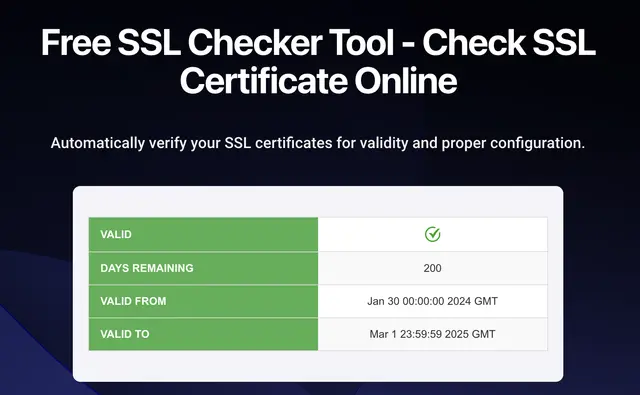
Free SSL checkers verify the chain, expiry and configuration. An incomplete chain works in browsers but fails in API clients, which is why it goes unnoticed.

Self-hosted status pages for 2026: a status page must not share infrastructure with what it reports on, and updates should come from monitoring, not by hand.
APM tools compared for 2026: trace quality is what gets you from alert to cause, and data-based pricing makes your sampling policy matter as much as features.
Core Web Vitals monitoring tools: lab tools diagnose, field data ranks. Track your top landing pages over time, since regressions arrive with deploys.

Apollo Client, Relay, urql, graphql-request and AWS Amplify compared on caching, framework support and fit, plus how to load test a GraphQL API.
10 load testing tools compared: LoadFocus, JMeter, k6, Gatling, Locust, BlazeMeter, LoadRunner, NeoLoad, Artillery and Loader.io, checked October 2026.

JMeter alternatives for load testing in 2026: k6 and Gatling for code-first teams, hosted tools for teams without a performance engineer, and migration costs.
Don’t miss out on the latest testing tips and tricks, tools and news related to software testing.
Already +20,000 members in the list.
Load test websites and APIs from 25 cloud regions, monitor page speed and uptime, and get AI analysis that explains your results in plain English.