





What is XLT?
XLT (Xceptance LoadTest) is an open-source load and performance testing framework built by Xceptance GmbH, with a paid enterprise tier for support and advanced features. It is Java-based, scripts tests in JUnit-style classes, and combines functional regression testing with load generation in the same scenario language — a Selenium-friendly model that has long been popular in e-commerce QA teams.
XLT runs from a controller machine and dispatches load to one or more agent machines (on-prem or cloud-provisioned). It targets teams that already invest in Java tooling, want full source-code control over their scenarios, and prefer self-hosted infrastructure over a SaaS dashboard.
When XLT is the right tool
XLT is a fair fit when these conditions hold:
- Java-centric QA team. Existing Selenium / JUnit muscle memory makes XLT scenarios feel native.
- Functional + load in one tool. The same script can validate user flows and replay them at concurrency for load.
- Self-hosted infrastructure. Strict data-residency or air-gapped requirements rule out cloud-only platforms.
- Open-source license preference. The community edition is free and the source is on GitHub.
If your team is comfortable provisioning agent machines and writing Java load scenarios, XLT delivers a powerful combined functional+load workflow.
Where XLT stops being enough
XLT's strengths come with friction that most modern web teams notice:
- Heavy Java setup. JDK, controller, agents, build tooling — non-trivial onboarding compared to paste-a-URL cloud tools.
- Self-hosted agents. Provisioning and maintaining agent machines for realistic distributed load is operational overhead.
- No bundled API monitoring. Continuous API uptime and SLA alerts need a separate tool.
- No Core Web Vitals tracking. Lighthouse and CWV monitoring are out of scope.
- Reporting model. Powerful but local; sharing results across non-engineering stakeholders takes extra work.
LoadFocus vs XLT — feature comparison
How LoadFocus compares against a typical XLT deployment. Pricing accurate as of May 2026.
| Feature | LoadFocus | XLT |
|---|---|---|
| Cost | Free tier; from $19/mo | Open-source + paid enterprise |
| Cloud-native execution | Yes (no agents to install) | Self-hosted agents required |
| JMeter cloud execution | Yes (up to 12,500 VUs) | Java/Selenium scripting |
| Browser-based load testing | Yes (Selenium/Playwright) | Yes (Selenium-based) |
| API monitoring | Yes | No |
| Core Web Vitals monitoring | Yes | No |
| Multi-region test locations | 25+ globally | Wherever you provision |
| Hosted dashboard | Yes | Local reports |
| CI/CD integration | Yes (API + GitHub Action) | Maven/Gradle integration |
| Pay-per-test pricing | Yes | Self-hosted infra cost |
FAQ
Is LoadFocus a direct replacement for XLT?
For teams using XLT primarily for HTTP and browser load testing, yes. Teams that depend on XLT's Java-based functional + load combined scenarios may want to keep XLT for that workflow and use LoadFocus for cloud-scale distributed load and continuous monitoring.
Can we reuse our existing XLT scenarios?
XLT's Java JUnit-style scripts do not port directly. Most teams migrating choose to recreate the top user flows in JMeter or via the LoadFocus browser recorder — usually a few days for the critical scenarios, and a faster ongoing iteration loop afterward.
Does LoadFocus support self-hosted execution?
No — LoadFocus is cloud-native. If air-gapped or strict on-prem execution is a hard requirement, XLT remains relevant. Most non-regulated teams find cloud execution faster to set up and cheaper to scale.
What about pricing?
XLT's community edition is free, but the real cost is the self-hosted agent infrastructure and team time to maintain it. LoadFocus uses transparent monthly tiers from $19/month with concurrent VUs and test minutes published upfront, including load testing, API monitoring and page speed on the same account.
How long does setup take?
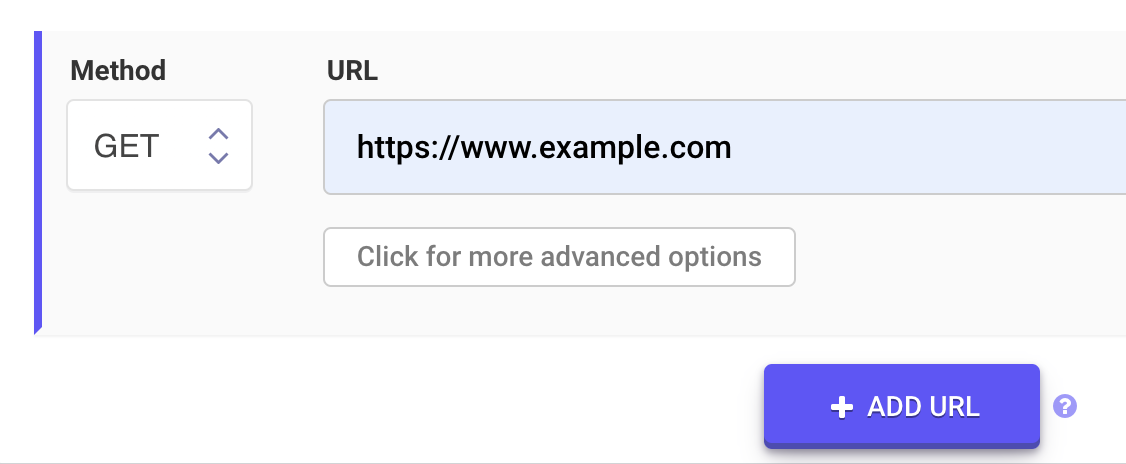
Minutes. Sign up, paste a URL or upload a JMX, pick a load profile and run — no JDK, no controller, no agent provisioning.
Can it run in CI/CD?
Yes. LoadFocus exposes a REST API and a GitHub Action so load tests run on every merge with thresholds for response time, error rate and concurrency. XLT integrates via Maven/Gradle but requires the agent infra to be live.
Try LoadFocus free
If you're running XLT today and want cloud-native load testing with API and page speed on the same account, LoadFocus is worth a parallel trial. Sign up at loadfocus.com/signup — no credit card — and run your first cloud load test in minutes.