





What is GTmetrix?
GTmetrix is one of the longest-running web performance testing tools, originally built around Google PageSpeed Insights and YSlow scoring before migrating to a custom GTmetrix Grade based on Lighthouse. It runs single-page synthetic tests from up to seven worldwide locations, measures Core Web Vitals and waterfall data, and produces detailed visual reports popular for developer audits and client deliverables.
GTmetrix has a generous free tier (limited monthly tests, single location, basic metrics), paid PRO plans for scheduled monitoring with alerts, and an API for programmatic access. The product is widely used as a one-off page audit tool — "run a GTmetrix on this page and send me the report" is common shorthand in many web teams.
When GTmetrix is the right tool
GTmetrix is genuinely useful for these workflows:
- Ad-hoc page audits. "What's slow about this specific page right now?" — GTmetrix delivers a full waterfall and grade in under 30 seconds.
- Client-facing PDF reports. The polished report format is widely accepted as a deliverable for agency work and SEO audits.
- Free single-location quick checks. The free tier covers basic single-location tests adequately for one-off troubleshooting.
- Familiar metric vocabulary. GTmetrix Grade and YSlow scores are widely recognized and part of common web team vernacular.
If your need is "run an audit, look at the report", GTmetrix is a reasonable default.
Where GTmetrix stops being enough
GTmetrix is built for ad-hoc auditing, not continuous performance management. Several gaps show up as soon as you try to operationalize it:
- No load testing. GTmetrix measures one user's page-load experience under normal conditions. It cannot simulate concurrent users to test how your site behaves under traffic spikes.
- No API monitoring. Backend APIs (login, checkout, third-party integrations) need separate validation; GTmetrix only renders pages.
- Limited scheduled monitoring on entry tiers. The free tier and lower paid tiers cap monthly test runs and don't support hourly or sub-hourly cadences without higher-tier plans.
- Test locations. Up to 7 globally, fewer on lower tiers.
- Reports oriented toward humans, not pipelines. The GTmetrix output is excellent for reading; integrating it as a build-failing assertion in CI requires custom API parsing and is not the primary use case.
LoadFocus vs GTmetrix — feature comparison
The table below compares LoadFocus against GTmetrix's standard PRO plan. Pricing accurate as of April 2026.
| Feature | LoadFocus | GTmetrix |
|---|---|---|
| Cost | Free tier; page speed from $29/mo | Free tier; PRO from ~$14/mo |
| Page speed monitoring | Yes | Yes (specialty) |
| Load testing | Yes (up to 12,500 VUs) | No |
| API monitoring | Yes | No |
| Lighthouse-based scoring | Yes | Yes (GTmetrix Grade) |
| Test locations | 25+ globally | Up to 7 (plan-dependent) |
| Scheduled monitoring frequency | From every minute | Daily/hourly (plan-dependent) |
| Real Chromium browser | Yes | Yes |
| Core Web Vitals tracking | Yes | Yes |
| Real User Monitoring (RUM) | No (synthetic only) | No |
| GitHub PR comments | Yes | API integration (manual) |
| CI/CD assertions | Yes (CLI + Action) | API only |
| Budget alerts | Yes | Yes (PRO) |
| AI-generated analysis | Yes (all plans) | No |
| Combined platform (load + speed + API) | Yes | Page speed only |
When LoadFocus is the right upgrade from GTmetrix
The decision usually comes down to whether you're doing one-off audits or continuous monitoring with traffic-load context.
You need load testing alongside page speed
GTmetrix tells you how fast a page loads for one user. It can't tell you what happens when 1,000 users hit the site simultaneously. LoadFocus does both — and the combination matters when investigating regressions, because page speed problems often manifest only under load.
You need API monitoring
If your application has backend APIs, GTmetrix won't help. LoadFocus monitors HTTP/REST endpoints with assertions, scheduled checks, and alerting — same dashboard as page speed.
You want monitoring at higher frequency
GTmetrix's lower tiers cap monthly test runs and don't support sub-hourly monitoring. LoadFocus's scheduled monitoring runs as often as every minute on standard plans, which matters for catching short-window regressions.
You need build-failing CI assertions
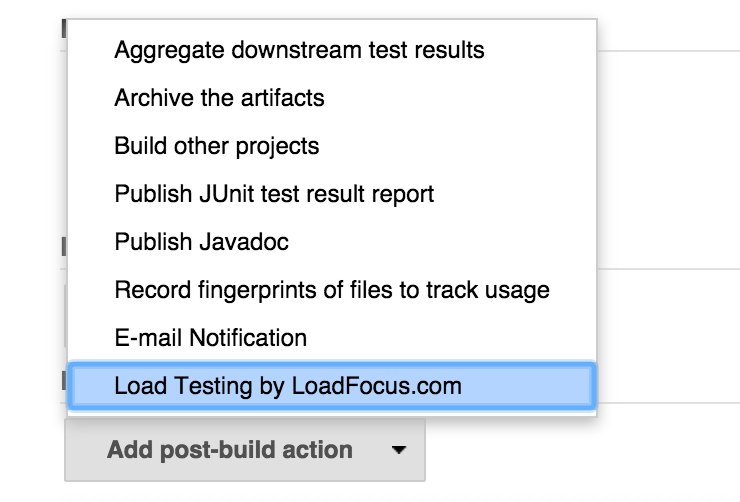
GTmetrix can be polled via API but isn't designed as a build-pipeline tool. LoadFocus provides a CLI, GitHub Action, and Jenkins integration that fail builds when SLOs regress — first-class CI integration rather than DIY API parsing.
You want broader geographic coverage
GTmetrix has up to 7 locations, more typically 4 on standard plans. LoadFocus runs from 25+ regions. If your users are spread across continents, LoadFocus surfaces regional issues GTmetrix may miss.
Migration from GTmetrix
- Sign up at loadfocus.com/signup.
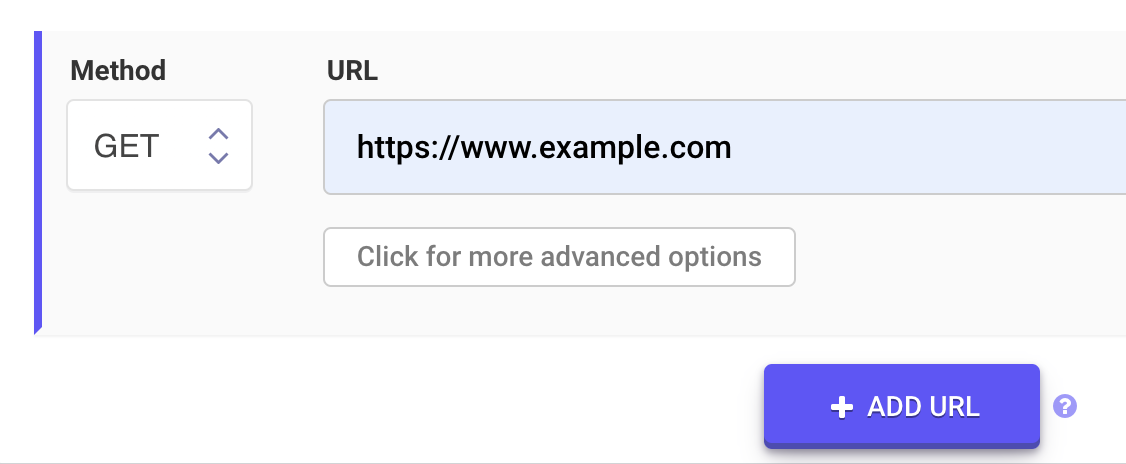
- Add the URLs you currently monitor in GTmetrix to LoadFocus's page speed monitoring.
- Replicate your GTmetrix schedule (or tighten it — LoadFocus supports higher frequencies).
- Set Web Vitals budgets matching the thresholds you used in GTmetrix.
- Optionally extend with load testing or API monitoring on the same account.
Run both tools in parallel for a week to verify metric agreement before fully cutting over.
FAQ: LoadFocus vs GTmetrix
Does LoadFocus produce reports as polished as GTmetrix's?
LoadFocus reports are interactive web dashboards rather than the GTmetrix PDF-style format. For client deliverables that require a printable summary, you can export LoadFocus reports as PDFs, but the GTmetrix PDF format is more polished out of the box.
Are LoadFocus and GTmetrix scores comparable?
Both use Lighthouse as the underlying engine, so Core Web Vitals values should be within typical run-to-run variance. The composite scores differ — GTmetrix Grade is a custom blend that's not directly equivalent to LoadFocus's Lighthouse score, though they correlate strongly.
Can LoadFocus replicate GTmetrix's waterfall view?
Yes. LoadFocus shows request-level waterfalls with timing breakdowns (DNS, TCP, TLS, server processing, content download) similar to GTmetrix's waterfall.
Does LoadFocus offer location-specific testing?
Yes — 25+ regions globally, including locations GTmetrix doesn't cover (e.g., Mumbai, São Paulo, Cape Town).
Can I use both tools in parallel?
Yes — GTmetrix is widely used for ad-hoc audits and PDF deliverables, while LoadFocus handles continuous monitoring and combined load/API testing. Many teams use both during transition.
How does pricing compare?
GTmetrix PRO starts around $14/month for limited scheduled monitoring; higher tiers add locations and frequency. LoadFocus starts at $29/month for page speed monitoring with broader geographic coverage and adds load + API monitoring on the same account. The total-cost comparison depends on how many monitoring categories you need.
Try LoadFocus free
If you're using GTmetrix today and want to add scheduled monitoring, load testing, or API checks without managing multiple vendors, LoadFocus consolidates the toolchain. Sign up for a free tier at loadfocus.com/signup — no credit card — and run your first page speed test alongside your existing GTmetrix setup. Decide after.