
12 Best JMeter Alternatives for Load Testing in 2026
JMeter alternatives for load testing in 2026: k6 and Gatling for code-first teams, hosted tools for teams without a performance engineer, and migration costs.
Newest first. 300 load testing, JMeter, test automation and monitoring guides, plus tool comparisons. Browse by topic from the blog home.

JMeter alternatives for load testing in 2026: k6 and Gatling for code-first teams, hosted tools for teams without a performance engineer, and migration costs.

Domain expiry takes sites down completely and is entirely preventable. Alert weeks ahead, not days, since transfers and payment issues take time.

INP replaced FID and measures responsiveness across the whole visit, not just the first input.

Monitor token acquisition end to end, not just that the host responds. Alert on latency as well as errors, since slow tokens time out downstream.
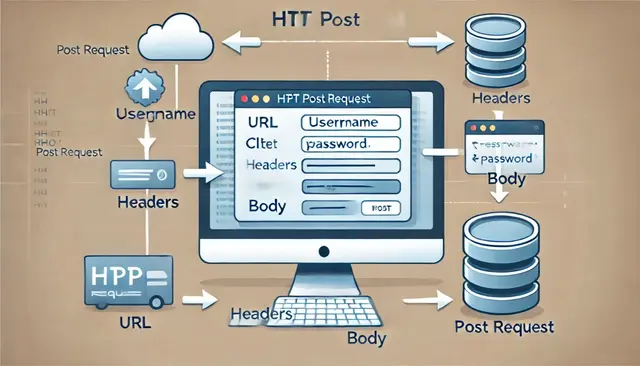
POST parameters travel in the body, not the URL, which is why they do not appear in logs.
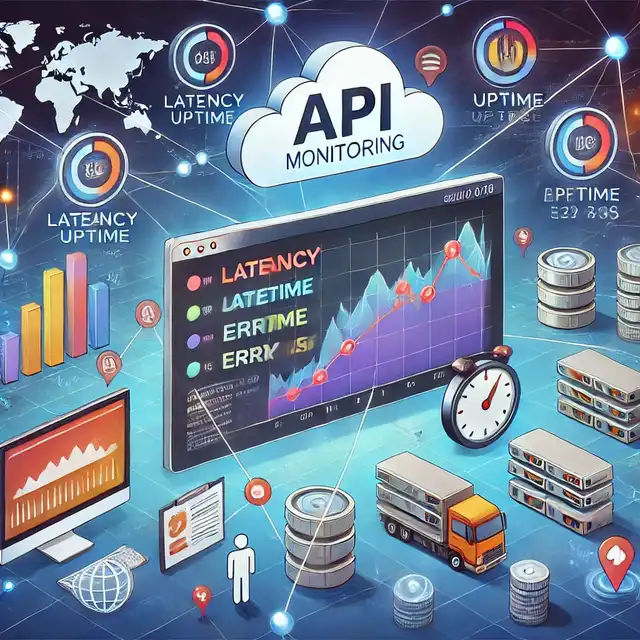
API monitoring catches failures between your services and the customers depending on them.
The biggest wins are usually images, requests and caching, in that order.
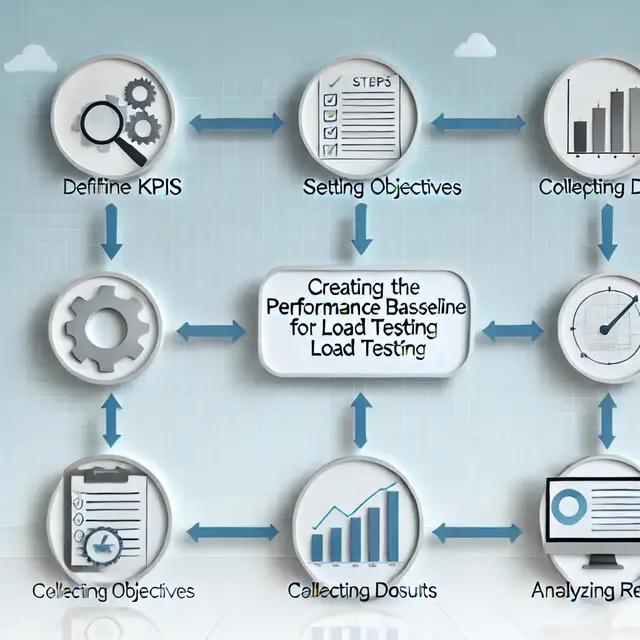
A baseline turns future runs into comparisons instead of isolated numbers. Capture it on a stable build under representative load, then leave it alone.

The recurring obstacles are environment parity, test data and interpreting results. Most of them are planning problems rather than tooling problems.

Three ways to generate unique IDs in JMeter test plans: the __UUID function, the Counter config element and __time, with when to use each.

A workflow is triggered by an event and runs jobs made of steps, which is the whole model.

WebdriverIO drives both browsers and mobile apps through the WebDriver protocol. Choose it when you need one framework across web and mobile.

Puppeteer controls headless Chrome and suits scraping, PDFs and screenshots as much as testing.

Playwright drives Chromium, Firefox and WebKit through one API. Auto-waiting removes most of the sleep-based flakiness older frameworks suffer from.

A mock that never fails teaches you nothing. Model timeouts and errors, not just the happy path.

Remove requests that do not contribute to the scenario you are measuring. Run non-GUI. The GUI itself consumes the resources you wanted for load.

Most lessons are about realism: data, think time and environment parity. A result nobody acts on is the same as not testing.

QA is broader than finding bugs: it covers process, risk and release confidence.

It turns API documentation into something machine-checkable in tests. Start with required fields and types; add constraints once the basics hold.

Measure before optimising. Most slow pages have one dominant cause, not six small ones.

Dive into LoadFocus's enhanced user experience with contextual documentation. Streamline your onboarding and understand metrics with in-app guidance.

Load test an Azure Web App without crashing it. Autoscaling reacts after load arrives, so test the scale-out itself, not the steady state.
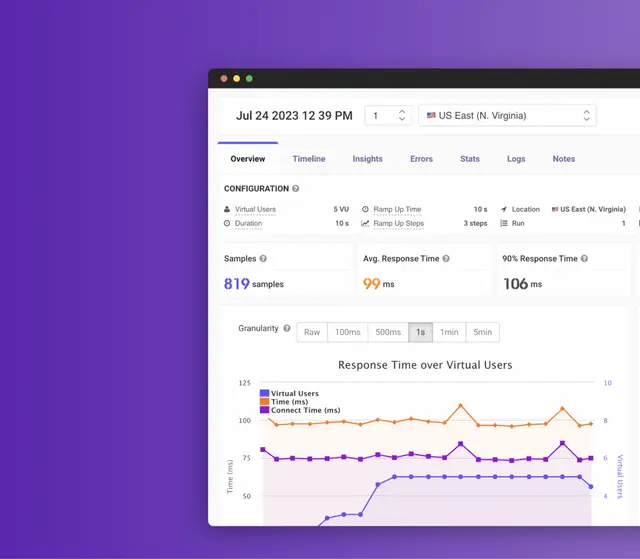
Load test a PHP site with Apache JMeter. PHP scales by process, so the worker pool usually caps you long before the code itself does.

Backend metrics can look healthy while the page users see is still slow. Measure on a real device profile. Desktop numbers flatter almost every site.
Don’t miss out on the latest testing tips and tricks, tools and news related to software testing.
Already +20,000 members in the list.
Load test websites and APIs from 25 cloud regions, monitor page speed and uptime, and get AI analysis that explains your results in plain English.