
14 Best Cloud Security Tools Reviewed For 2026
Cloud security tools reviewed: misconfiguration causes more breaches than exploits, so start with posture management and keep alert volume triageable.
Newest first. 300 load testing, JMeter, test automation and monitoring guides, plus tool comparisons. Browse by topic from the blog home.

Cloud security tools reviewed: misconfiguration causes more breaches than exploits, so start with posture management and keep alert volume triageable.

Cloud management platforms compared: a CMP earns its place with multi-cloud or cost governance, and drift handling is where the promises usually break.

Web application testing tools for 2026: cover functional, performance and accessibility separately, and favour CI-friendly tools whose results you can diff.

Monitor what users experience first, then the infrastructure underneath it.

Synthetic monitoring runs a scripted journey on a schedule, so you find failures before users report them.

Observability tools for 2026: ask new questions without new instrumentation, start with traces if you choose one pillar, and watch cardinality costs closely.

Redis monitoring tools for 2026: watch memory, evictions and latency, since Redis fails on memory long before CPU. Track the slowlog and alert on evictions.

SaaS affiliate programs that pay well in 2026: recurring commission beats one-off payouts, and cookie windows and attribution decide what you actually earn.

Antivirus software for Windows and Mac compared on performance impact and false positives, since detection rates now cluster closely across the top tools.

A comparison of 12 JMeter testing tools plus 3 open source options: what each is genuinely good at, and when a hosted runner beats maintaining your own…

Usability testing tools for 2026: five users surface most problems, recordings show what happened while interviews explain why. Test the task, not the UI.
Screen capture tools for 2026 compared on annotation, video for timing issues, and where recordings are stored, since screens often hold customer data.

Chrome extensions for testing in 2026: best for capture and inspection rather than running suites. Audit permissions first, since they see every page.

DevOps automation tools for 2026: automate build, deploy and rollback handoffs first, and prefer tools with wide integrations over ones that need a specialist.

Chromium is the open-source base; Chrome adds proprietary codecs, auto-update and Google services.

SSL certificate monitoring tools prevent expiry outages. Alert weeks ahead, since renewal and deployment are separate steps, and check the deployed chain too.
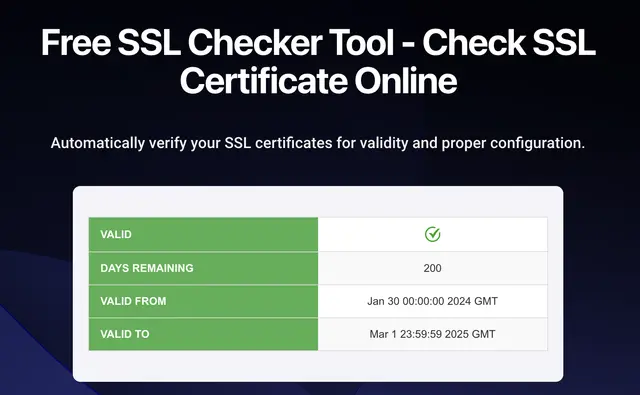
Free SSL checkers verify the chain, expiry and configuration. An incomplete chain works in browsers but fails in API clients, which is why it goes unnoticed.

Self-hosted status pages for 2026: a status page must not share infrastructure with what it reports on, and updates should come from monitoring, not by hand.

APM tools compared for 2026: trace quality is what gets you from alert to cause, and data-based pricing makes your sampling policy matter as much as features.
Core Web Vitals monitoring tools: lab tools diagnose, field data ranks. Track your top landing pages over time, since regressions arrive with deploys.

Caching and image optimisation deliver most of the available gain on WordPress.
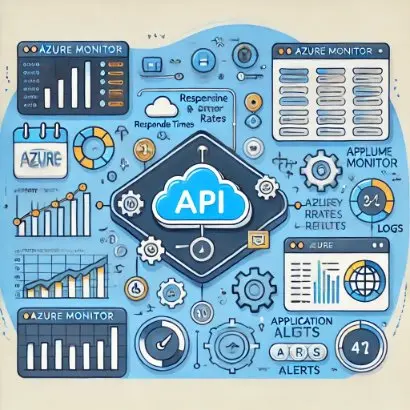
Monitor from outside Azure as well as inside, or you miss what customers experience.

GraphQL clients for JavaScript and Node.js compared on caching strategy and bundle size, plus when a plain fetch wrapper is all your app actually needs.

Load testing tools for web apps, websites and APIs: choose on test authoring and maintenance, cloud load generation and CI integration before feature lists.
Don’t miss out on the latest testing tips and tricks, tools and news related to software testing.
Already +20,000 members in the list.
Load test websites and APIs from 25 cloud regions, monitor page speed and uptime, and get AI analysis that explains your results in plain English.