Performance Testing: The Non-Negotiable Priority for Cloud-Native Applications in 2026
Why Performance Testing Is Now Mission-Critical
In 2026, performance testing has become a defining factor for the success of cloud-native applications. As cloud-native adoption grows rapidly and user expectations rise, performance can no longer be treated as a post-launch concern. The reality is clear: applications that fail to deliver speed and reliability risk losing users and credibility.
90% of enterprises are expected to adopt cloud-native strategies by 2026, and the global market for performance testing tools is projected to reach $12 billion this year. These figures reflect a broad recognition that performance is the baseline – not a differentiator, but a requirement.
Is Your Infrastructure Ready for Global Traffic Spikes?
Unexpected load surges can disrupt your services. With LoadFocus’s cutting-edge Load Testing solutions, simulate real-world traffic from multiple global locations in a single test. Our advanced engine dynamically upscales and downscales virtual users in real time, delivering comprehensive reports that empower you to identify and resolve performance bottlenecks before they affect your users.
Key Insight: In 2026, performance testing is a critical discipline for reliable cloud-native apps – not just a technical checkbox.
The Complexity of Cloud-Native: Why Testing Matters More Than Ever
The shift to microservices and containers – with technologies like Kubernetes and Docker – has made cloud-native architectures both powerful and complex. Each new layer and deployment pattern introduces variables that can affect performance. Automated release cycles, enabled by CI/CD pipelines, mean even small code changes can have significant impacts unless every release is tested under realistic load conditions.
Performance testing is now essential for businesses operating in the cloud. As applications grow more distributed, thorough testing is the only way to avoid bottlenecks and downtime.
The Cloud-Native Explosion: Complexity and Opportunity
The cloud-native era has grown rapidly in 2026. Organizations are racing to build, deploy, and scale applications using microservices, containers, and distributed systems. While these technologies offer scalability and resilience, they also introduce complexity that traditional testing methods often fail to address.
Think your website can handle a traffic spike?
Fair enough, but why leave it to chance? Uncover your website’s true limits with LoadFocus’s cloud-based Load Testing for Web Apps, Websites, and APIs. Avoid the risk of costly downtimes and missed opportunities—find out before your users do!
| Architecture Trend | Impact on Performance Testing | New Risks |
|---|---|---|
| Microservices | Each service must be tested both independently and in aggregate. Bottlenecks can hide in service-to-service calls. | Unexpected latency, cascading failures, version drift |
| Containers | Portability increases, but configuration differences can skew results. Testing must account for runtime variability. | Configuration drift, resource contention, environment bugs |
| Kubernetes Orchestration | Automates scaling and deployment, but dynamic resource allocation changes app behavior under load. | Pod restarts, misconfigured autoscaling, noisy neighbor effect |
| Distributed Systems | End-to-end testing is essential. Network and data issues often emerge only at scale. | Network splits, data inconsistency, missed regressions |
| CI/CD Pipelines | Demands automated, repeatable testing to keep up with rapid deployments. | Production issues, lack of true parity in test environments |
Microservices and Containers: Opportunities and Challenges
Microservices let teams break monolithic applications into individually deployable services, improving development speed and scalability. However, testing each service in isolation is only part of the picture. Once services interact – across APIs and containers – hidden performance bottlenecks can arise.
Containers have made deployment more portable, and orchestration platforms like Kubernetes allow teams to create test environments that closely mirror production. Yet, differences in configuration and resource allocation can affect results. What appears stable in staging may degrade under real-world traffic, especially when resources are shared or autoscaling is imperfect.
This complexity is driving demand for cloud-native testing platforms that provide real-time visibility into how services perform in distributed environments.
Distributed Systems: Scale Brings New Unknowns
Scaling with distributed systems enables organizations to reach millions of users, but distributing state and logic across clusters or regions multiplies the unknowns. Issues like network latency or data consistency may not appear in local tests but can impact production performance.
LoadFocus is an all-in-one Cloud Testing Platform for Websites and APIs for Load Testing, Apache JMeter Load Testing, Page Speed Monitoring and API Monitoring!
Sophisticated performance testing helps surface these issues early. Simulating real-world conditions – such as traffic spikes or partial network failures – reveals where systems might struggle. As DevOps and CI/CD practices speed deployment, automated, scalable testing becomes essential to manage operational risk.
Organizations that invest in advanced testing approaches can innovate at scale, confident their systems can handle the demands of the cloud-native world.
Rising User Expectations: Instant, Reliable, Everywhere
User Patience Has Hit Rock Bottom
By 2026, user tolerance for slowdowns and outages is extremely low. Digital-first habits mean users expect instant load times, whether on mobile or desktop, regardless of location. If performance lags, users quickly move to alternatives. The era of “please wait” spinners is over – real-time responsiveness is now the baseline.
With most enterprises adopting cloud-native strategies, platforms that can’t keep up risk losing ground. Social media and app store reviews can amplify the impact of downtime or sluggishness, making performance a visible aspect of brand reputation.
Key Insight: In 2026, performance is the price of admission for any digital service – not a differentiator, but a necessity.
Performance Testing Moves Up the Stack
Performance testing has shifted from an afterthought to a central product strategy. The market for testing tools is growing rapidly, reflecting the need for platforms that ensure speed and reliability under varied conditions. As microservices and containerized apps scale dynamically, the risk of hidden bottlenecks increases. Teams that monitor and optimize in real time, using cloud-based testing platforms, can address issues before users notice them.
Speed is the foundation of user trust and retention. A single slow checkout or failed login at peak time can undermine months of brand-building. Integrating performance testing into CI/CD pipelines ensures every release meets the standard of “instant, everywhere” before going live.
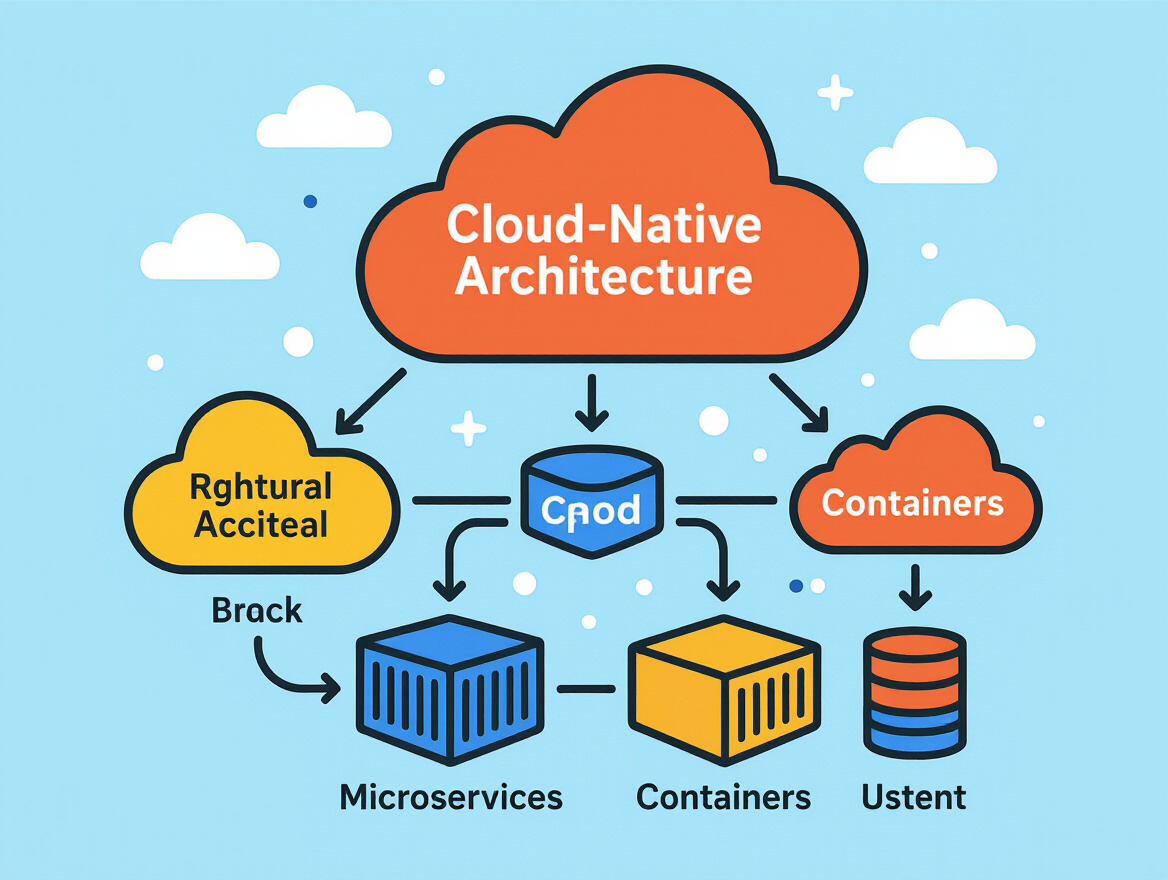
Performance Testing in 2026: Core Functions and New Frontiers
Performance testing in 2026 is no longer a one-size-fits-all checklist. For cloud-native teams, fundamentals like load, stress, and scalability testing remain essential, but the expectations and scope have evolved. With cloud adoption now widespread, performance testing is expected, not optional.
| Testing Approach | Legacy Apps | Cloud-Native Apps | 2026 Enhancements |
|---|---|---|---|
| Load Testing | Simulates peak traffic for monolithic servers | Tests distributed microservices at scale | Advanced analytics pinpoint bottlenecks faster |
| Stress Testing | Evaluates server capacity under extreme load | Pushes orchestration platforms to breaking points | Continuous, automated scenarios in CI/CD |
| Scalability Testing | Manual scaling to check limits | Auto-scaling validation with containers and microservices | Predictive scaling recommendations |
| Monitoring | Periodic log review | Integrated metrics dashboards | Real-time anomaly detection and alerting |
| Reporting | Static post-release reports | Automated dashboards in dev and staging | Dynamic, customizable insight feeds |
AI and Automation: The New Performance Testing Edge
The rise of AI-powered performance testing is changing how teams operate. Instead of manual test creation and log analysis, modern platforms can generate targeted tests, spot anomalies, and recommend fixes automatically. This expands both the speed and coverage of testing – cloud-native stacks built on microservices and containers generate complexity that manual testing alone struggles to manage. Some tools now provide AI-driven insights that identify hidden issues, such as latency spikes in specific microservices, before users report problems.
Automation also helps reduce alert fatigue by focusing on true anomalies rather than every minor fluctuation. In 2026, continuous AI-driven testing enables teams to simulate real-world user patterns, optimize resource allocation, and tune performance before code reaches production. This leads to fewer surprises, faster troubleshooting, and more predictable releases.
Of course, AI-based tools depend on quality data and well-defined baselines. When integrated effectively, they help surface problems early, allowing performance bottlenecks to be fixed before launch.
Real-Time Insights: From Lagging Indicators to Leading Signals
Traditional performance testing was often reactive – teams ran load or stress tests after a release, hoping to catch issues before customers noticed. That approach is less effective now. With continuous integration and deployment cycles, and apps distributed across global clouds, real-time monitoring is fundamental. Some platforms provide instant feedback on response times and service health, even as code changes frequently.
Continuous performance monitoring shifts focus from lagging indicators (like post-mortem reports) to leading signals – metrics and anomalies that warn teams before users report problems. For example, sudden API latency, spikes in error rates, or resource limits breached in one region can trigger immediate alerts. These signals inform not just operations teams, but also developers and product owners, enabling rapid iteration and prioritization.
Integration with CI/CD pipelines ensures every build, not just major releases, is evaluated for performance impact. This proactive approach improves reliability and user satisfaction, while reducing downtime or slowdowns. The most advanced teams treat performance testing as an ongoing process, not a one-time hurdle. The result is a culture of quality matching the scale and speed of modern cloud-native systems.
Integrating Performance Testing into CI/CD: No More Afterthoughts
Cloud-native development has moved beyond last-minute performance checks. Treating performance testing as a bolt-on after code freeze risks costly surprises. With most enterprises pursuing cloud-native strategies in 2026, the pace and complexity of application delivery demand a shift-left approach – embedding performance testing directly into the CI/CD pipeline.
Manual, ad-hoc testing can’t keep up with the velocity of containerized deployments and microservice rollouts. The old waterfall mindset – waiting until the end to test – no longer fits. Automated, integrated testing is now essential for teams serious about reliability and speed.
Before/After: Performance Testing in Waterfall vs. Cloud-Native Pipelines
| Before: Waterfall Workflow | After: Cloud-Native CI/CD Workflow |
|---|---|
|
|
The contrast is clear. The “before” approach meant waiting until the finish line to test the car’s engine. In a cloud-native, CI/CD-driven world, performance testing becomes part of the assembly line, not an after-hours inspection. Every code change is validated under real-world conditions, so teams can spot issues early and avoid the snowball effect of late-stage bugs.
This shift isn’t just about speed. Continuous feedback from automated performance testing reduces risk and builds confidence in every deployment. With cloud-based tools delivering real-time insights and scalable test environments, teams can validate performance as they build. For modern cloud-native teams, this is essential.
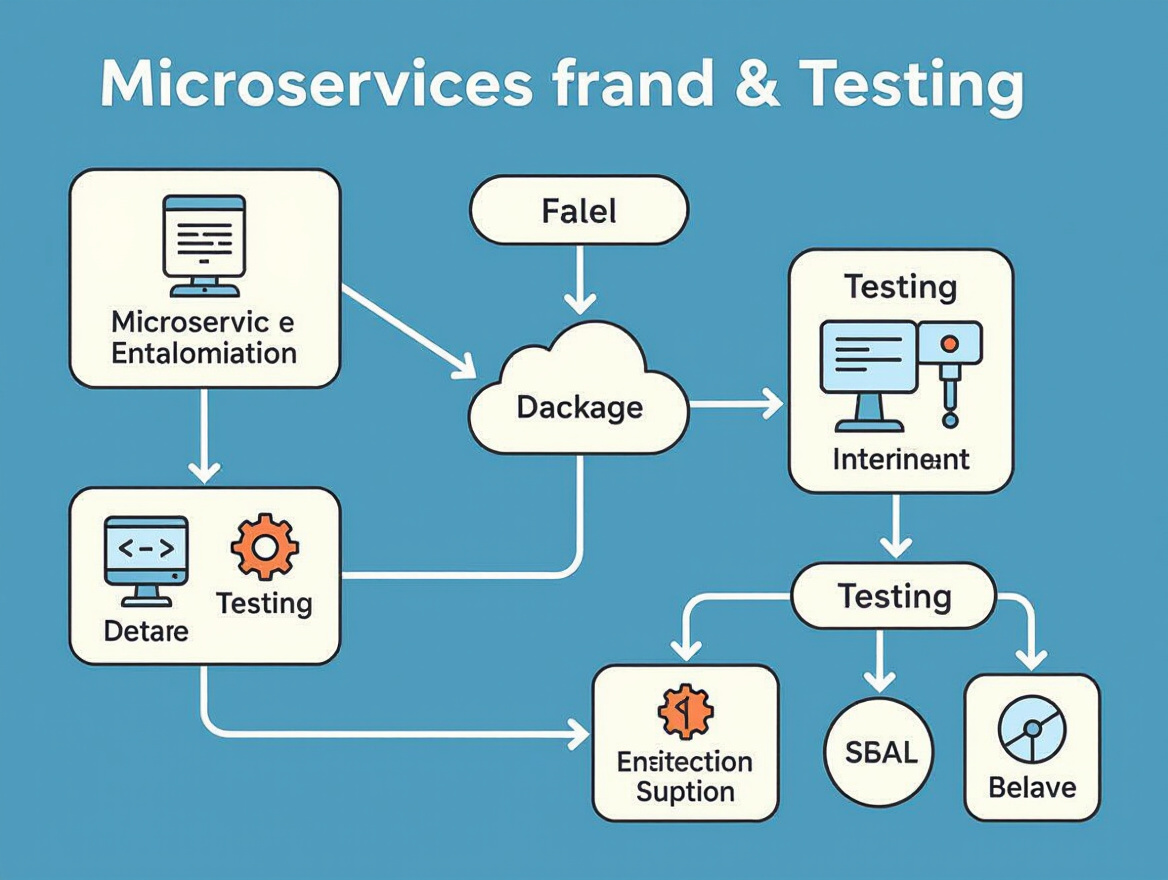
Performance Testing as a Business Strategy: Beyond Technical Validation
Performance Testing Defines Brand Promise in 2026
By 2026, performance testing has evolved beyond a technical checkpoint. It now plays a fundamental role in business strategy – shaping brand reputation, customer loyalty, and competitive positioning. With most enterprises adopting cloud-native strategies and the market for performance testing tools expanding, organizations invest not just to avoid outages but to uphold promises to customers in a cloud-first world.
A slow site or glitchy API isn’t merely a technical hiccup. It’s a broken brand promise that erodes trust. In the age of cloud-native apps and microservices, downtime or sluggishness can quickly translate into lost revenue and customer churn. Your app’s responsiveness is part of your public identity. Performance is a brand promise – one users expect and competitors strive to exceed.
Performance Issues: More Than a Technical Risk
Some organizations still view performance testing as technical hygiene. This misses the bigger picture. A subpar digital experience is now a strategic liability. Many users won’t wait for a sluggish checkout screen, and a high-profile outage can dominate headlines and social media, undermining years of brand-building.
Key Insight: In 2026, performance testing directly influences business outcomes – every millisecond saved or outage avoided contributes to competitive advantage.
Framework: Business Impacts of Performance Testing
| Business Area | Performance Impact | Competitive Consequence |
|---|---|---|
| Customer Experience | Fast load times and responsive APIs keep users engaged and encourage repeat visits. | Competitors with smoother digital journeys gain market share; slow brands risk losing loyalty. |
| Revenue Generation | Downtime and slowdowns during peak periods reduce sales and conversions. | High performers capture transactions when demand spikes; others face abandoned carts and lost sales. |
| Brand Reputation | Consistent uptime and reliability signal professionalism and protect brand image. | Frequent outages or performance issues can cause negative publicity and long-term damage. |
| Operational Efficiency | Proactive detection and resolution of bottlenecks reduce firefighting and costly incident responses. | Teams focused on innovation move faster than those mired in crisis management. |
| Customer Support | Stable systems mean fewer support tickets and better resource allocation. | Competitors with fewer technical complaints can invest more in customer relationships. |
Strategic Value Over Technical Hygiene
The cost of performance problems – whether in downtime, lost sales, or damaged reputation – often exceeds the investment needed for comprehensive testing. Integrating performance testing early and throughout the CI/CD pipeline is now a strategic imperative. As cloud architectures evolve, brands that treat performance as a business strategy, not a post-launch afterthought, will continue to lead.
The Counter-Argument: Is Performance Testing Too Expensive or Overhyped?
Addressing the “Too Costly” Critique
Some argue that performance testing is resource-intensive and expensive, especially when cloud platforms offer elastic scalability. However, as enterprises move to cloud-native strategies, the complexity of distributed systems and microservices increases the risk of unpredictable slowdowns or outages. Skipping critical testing can lead to failures that cost more in lost revenue and brand trust than the upfront investment in testing.
The Hidden Costs of Downtime
It’s easy to underestimate the cost of outages until they occur. While cloud infrastructure can autoscale, it cannot fix code-level bottlenecks or faulty service interactions. During high-traffic events, poorly tested applications may fail in ways that infrastructure alone cannot prevent. The growing market for performance testing tools reflects real demand for solutions that help avoid costly downtime.
Why “Just Scale” Isn’t Enough
Relying solely on cloud scalability is insufficient. Microservices, containers, and rapid CI/CD cycles have made applications more flexible but also more complex. Integration points and APIs require continuous, automated validation under load. Skipping testing is risky: performance testing helps identify bottlenecks and ensures applications handle peak loads efficiently. Integrating testing early catches issues before they escalate, protecting user experience and business outcomes.
The argument that performance testing is overhyped does not fully consider the growing complexity and risks. Investing in thorough testing is a strategic necessity for organizations aiming to compete and deliver reliably in a cloud-driven world.
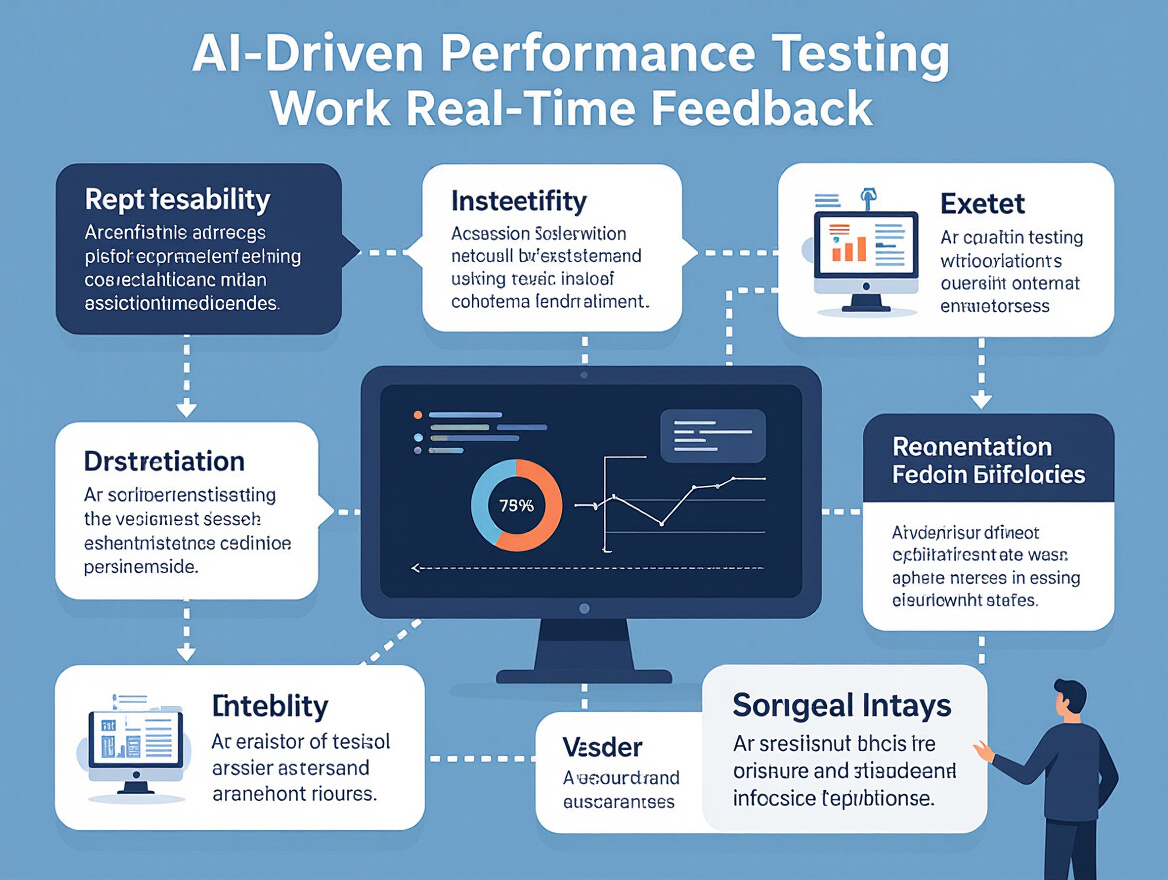
Limitations and Nuances: Where Performance Testing Still Falls Short
Test Environments vs. Real-World Usage
Even with cloud-based tools and sophisticated simulations, test environments rarely capture every nuance of real user behavior. Cloud-native platforms, containerized architectures, and distributed services introduce dependencies that are difficult to replicate outside production. While simulated loads may reflect projected peak traffic, unexpected spikes from marketing campaigns or third-party failures often appear only in live environments. Teams relying on performance testing should set clear expectations: results are valuable but represent a model, not a guarantee.
The Cost of Thoroughness vs. Release Velocity
Performance testing can be resource-intensive. Running comprehensive, high-fidelity tests – especially at scale – consumes cloud resources and engineering time. With most enterprises running cloud-native stacks, the pressure to maintain rapid release cycles is intense. Cutting corners risks performance blind spots, but exhaustive testing may delay feature rollouts or increase costs. Mitigation involves risk-based prioritization: focus deep testing on the most critical services, and use lighter tests elsewhere. Not every release requires full testing; iteration and targeted approaches can be more effective.
Toolchain Fragmentation and Integration Challenges
Most organizations use multiple tools for performance testing – one for load, another for monitoring, a third for CI/CD integration. This fragmentation can cause integration challenges and gaps in coverage. For example, a team might use one platform for cloud-based load testing but rely on separate tools for API monitoring or infrastructure analytics. This can create data silos and manual effort to combine insights. Teams should seek platforms with broad integration or invest in automation to unify results.
Setting Realistic Expectations
While performance testing is essential for cloud applications, it’s not a silver bullet. Despite the growing market for testing tools, tool maturity varies, and no solution fully eliminates risk. It’s important to communicate openly with stakeholders: tests reduce uncertainty but cannot guarantee flawless production behavior. As complexity grows, so do subtle performance issues. The best approach combines proactive testing with thorough monitoring and a culture of continuous improvement.
Strategic Implications: The Future Belongs to High-Performing Apps
Performance Testing as a Strategic Differentiator
The coming months will reward organizations that prioritize performance testing. With most enterprises adopting cloud-native strategies, simply building in the cloud is not enough. User expectations are high, and market leaders will be those who embed performance into their technical DNA – well before competitors feel the impact of slow response times or outages. Performance testing is evolving from a technical checkbox to a true differentiator in competitive markets.
Key Insight: Companies that make performance testing a strategic function are likely to lead on user satisfaction and market share, leaving reactive competitors behind.
Forward-Looking Predictions
The market for performance testing tools continues to grow, driven by necessity. As microservices, Kubernetes, and CI/CD pipelines become standard, testing for scale and resilience is essential. High-performing apps will become the norm, while those who treat testing as an afterthought risk losing users and revenue.
Expect automated, cloud-based testing to become more deeply embedded in development lifecycles. Organizations investing in continuous performance monitoring will detect bottlenecks before they affect users, while others may struggle to keep pace with release velocity and architectural complexity.
Action Steps for Technical and Business Leaders
- Prioritize performance testing budgets and staffing as a core part of digital strategy – not just an operations task.
- Adopt cloud-based platforms to simulate real-world traffic and analyze peak-load bottlenecks.
- Integrate testing into CI/CD pipelines to ensure performance is tracked and optimized with every release.
- Establish cross-functional ownership: Make both product and engineering accountable for performance outcomes, not just QA specialists.
Organizations embedding performance testing into their core competencies will be better positioned to succeed as cloud-native complexity grows. The next wave of winners will be those who make performance a strategic imperative, not just a technical detail.
Frequently Asked Questions
Why is performance testing more important for cloud-native applications in 2026?
Performance testing is essential as most enterprises adopt cloud-native strategies. The rise of microservices, containers, and distributed architectures makes applications more dynamic but also more prone to performance issues. Ensuring consistent speed and reliability helps companies maintain a competitive advantage and meet rising user expectations.
How has performance testing evolved for modern cloud environments?
Cloud-native development tools like Kubernetes and Docker have introduced new complexity. Traditional testing methods often fall short when faced with the scale and variability of today’s deployments. Teams now rely on cloud-based testing platforms that simulate real-world traffic and scale tests dynamically. Automated testing integrated into CI/CD pipelines is increasingly standard to keep up with rapid delivery cycles.
Is performance testing too expensive or resource-intensive?
While initial costs can seem high, especially for large-scale or continuous testing, the long-term benefits – including improved user satisfaction and reduced downtime – generally outweigh these investments. As the market for performance testing tools grows, demand for efficient and scalable solutions is helping make advanced testing more accessible.
What are the best practices for integrating performance testing into development workflows?
- Start early: Integrate testing from the first stages of development, not just before release.
- Automate: Add performance checks to your CI/CD pipeline so every deployment is evaluated for speed and reliability.
- Use cloud-based platforms: These tools enable teams to test at scale without managing physical infrastructure.
- Simulate real conditions: Replicate peak loads and geographic distribution to uncover issues before users do.
What risks exist if performance testing is ignored?
Skipping performance testing can lead to bottlenecks, outages, and poor user experiences – failures that often surface under peak traffic or after new releases. As cloud-native complexity increases, untested systems are more likely to fail when it matters most. For organizations relying on digital services, this risk is significant.
Powered by PostNext service