Key takeaways
- AI is moving performance testing from scripted runs to continuous analysis of production-like behaviour.
- The gain is in triage: finding which change caused a regression, not just that one exists.
- Tooling has converged enough that the differentiator is workflow fit rather than raw capability.
Is Your Infrastructure Ready for Global Traffic Spikes?
Unexpected load surges can disrupt your services. With LoadFocus’s cutting-edge Load Testing solutions, simulate real-world traffic from multiple global locations in a single test. Our advanced engine dynamically upscales and downscales virtual users in real time, delivering comprehensive reports that empower you to identify and resolve performance bottlenecks before they affect your users.
AI Performance Testing in 2026: Why This Year Marks a Turning Point
AI-Powered Innovations Redefine Performance Testing
This summer, leading performance testing platforms have introduced a new wave of AI capabilities that are fundamentally changing how software teams validate application speed and reliability. Rather than incremental updates, these advances mark a step change: AI performance testing now enables faster test creation, greater accuracy, and wider accessibility across teams.
Immediate Impact on Software Teams
A notable shift is how AI-driven tools are making performance testing more accessible. Teams can move beyond static scripts and deep domain expertise. For example, AI-assisted script authoring, as seen in Microsoft’s Azure Load Testing, lets users record application journeys and have the platform handle parameterization and correlation. Test creation times are reduced, and root cause analysis – once a time-consuming manual process – now happens more quickly, thanks to real-time AI log analysis.
The Cloud Testing Ecosystem Evolves
These AI-powered advances are more than efficiency improvements. The cloud testing ecosystem is shifting toward continuous, intelligent performance validation. Performance testing is becoming embedded in CI/CD pipelines, with AI detecting anomalies and predicting failures as code progresses through development. This is a clear departure from the stop-start cycles of the past.
Think your website can handle a traffic spike?
Fair enough, but why leave it to chance? Uncover your website’s true limits with LoadFocus’s cloud-based Load Testing for Web Apps, Websites, and APIs. Avoid the risk of costly downtimes and missed opportunities—find out before your users do!
As AI testing becomes standard, software teams have an opportunity to make performance assurance proactive, accessible, and deeply integrated into their workflows. Organizations that adapt now will set the pace for software quality in the years ahead.
From Manual Scripts to AI-Driven Automation: What Changed?
Before: Static Scripts and Manual Effort
For years, traditional performance testing was slow and labor-intensive. Teams hand-crafted scripts to mimic user flows, relying on static test data and predefined traffic patterns. Creating complex scenarios required deep scripting expertise, and even minor application changes could necessitate extensive script rewrites. After tests ran, engineers manually sifted through logs to identify bottlenecks. Setup often took days or weeks, making frequent testing impractical for most organizations. As a result, performance tests were often reserved for major releases, leaving significant blind spots.
| Testing Era | Typical Workflow | Key Limitations |
|---|---|---|
| Manual Scripting Era | Hand-coded scripts, static data, manual traffic ramps | Time-consuming setup, brittle scripts, requires deep expertise |
| Early Automation | Basic test playback, limited parameterization, batch result reviews | Still manual analysis, low realism, difficult reuse |
| AI-Driven Automation | AI-generated scripts, dynamic load modeling, real-time analysis | Requires tuning and oversight for edge cases |
After: Intelligent Automation and Continuous Validation
AI performance testing has rewritten the rulebook. Instead of scripting every scenario, modern tools learn from actual user traffic and historical usage patterns. AI generates test scripts automatically – often from simple recorded sessions – suggesting dynamic correlations, realistic think times, and parameter variations that mirror real user interactions.
Test execution is equally advanced. AI-based systems simulate realistic, unpredictable load, including spikes and long-duration soaks, based on production data. During and after tests, machine learning algorithms analyze logs, surface anomalies, trace root causes, and provide clear, targeted remediation steps. Teams move from reactive, release-day fire drills to continuous validation – integrating AI-driven tests directly into CI/CD pipelines so that performance bottlenecks are flagged and resolved before they reach customers.
LoadFocus is an all-in-one Cloud Testing Platform for Websites and APIs for Load Testing, Apache JMeter Load Testing, Page Speed Monitoring and API Monitoring!
This shift is timely. Today’s architectures – microservices, APIs, and cloud-native stacks – are too complex and fast-moving for old-school methods. Continuous delivery demands speed and confidence; AI speeds up the testing process and improves its quality, making performance assurance an everyday practice.
| Before | After |
|---|---|
| “Simulate 500 users with a fixed ramp-up and identical requests.” | “Model 500 users with dynamic arrival rates, each following real user journeys extracted from recent traffic, identifying unpredictable spikes and gradual degradations.” |
The second approach yields richer, more actionable insights by reflecting actual user behavior and surfacing issues that static scripts would miss.
Key Insight: AI-driven automation transforms performance testing from a slow, manual chore into a proactive, continuous practice – essential for modern teams facing growing complexity and frequent releases.
Core AI Capabilities Now Powering Performance Testing
Modern AI performance testing is about embedding intelligence into every phase of the testing lifecycle. The most impactful AI features in today’s leading tools are reshaping what teams can achieve.
AI-Powered Test Script Generation
Building effective performance tests once demanded deep scripting expertise. Now, AI-driven script generation lowers that barrier. Tools such as Azure Load Testing let you record interactions with your application, and AI parses the flow, suggesting parameterizations and correlations. This approach expands test coverage to real user paths that manual scripts might miss, and it reduces setup time for new tests. Teams without deep JMeter knowledge can now author durable scenarios, making continuous performance validation practical for more organizations.
Predictive Load and Failure Simulation
Traditional load testing relied on static, uniform traffic patterns. AI now enables predictive load simulation based on historical data. Instead of guessing at peak times or failure points, AI models user traffic spikes, event-driven surges, and gradual degradations. This helps identify infrastructure bottlenecks before users are affected. For example, soak testing can reveal memory leaks, and spike tests can anticipate issues tied to sudden campaign launches or viral moments.
Automated Analysis and Recommendations
Raw log files and performance charts only go so far. The latest AI features bring real-time anomaly detection and root cause analysis to the forefront. After a test, AI sifts through thousands of data points, flags unusual latency spikes or error rates, and provides targeted recommendations – not just generic advice, but specific remediation steps based on test evidence. This reduces time spent on manual troubleshooting and helps teams address problems before they escalate.
| AI Feature | Function | Practical Impact |
|---|---|---|
| AI-Powered Script Generation | Automatically builds and parameterizes test scripts from user journeys | Expands test coverage and reduces reliance on scripting expertise |
| Predictive Load Simulation | Models traffic patterns using historical user data | Identifies real-world performance risks and failure points before production |
| Real-Time Anomaly Detection | Analyzes test results for outliers and emerging issues | Speeds up troubleshooting and enables proactive remediation |
| Automated Recommendations | Suggests concrete fixes based on test evidence | Speeds up resolution and builds team confidence |
Key Insight: AI is shifting performance testing from a specialized, reactive task to an accessible, continuous process – helping teams catch issues faster and optimize with greater accuracy.
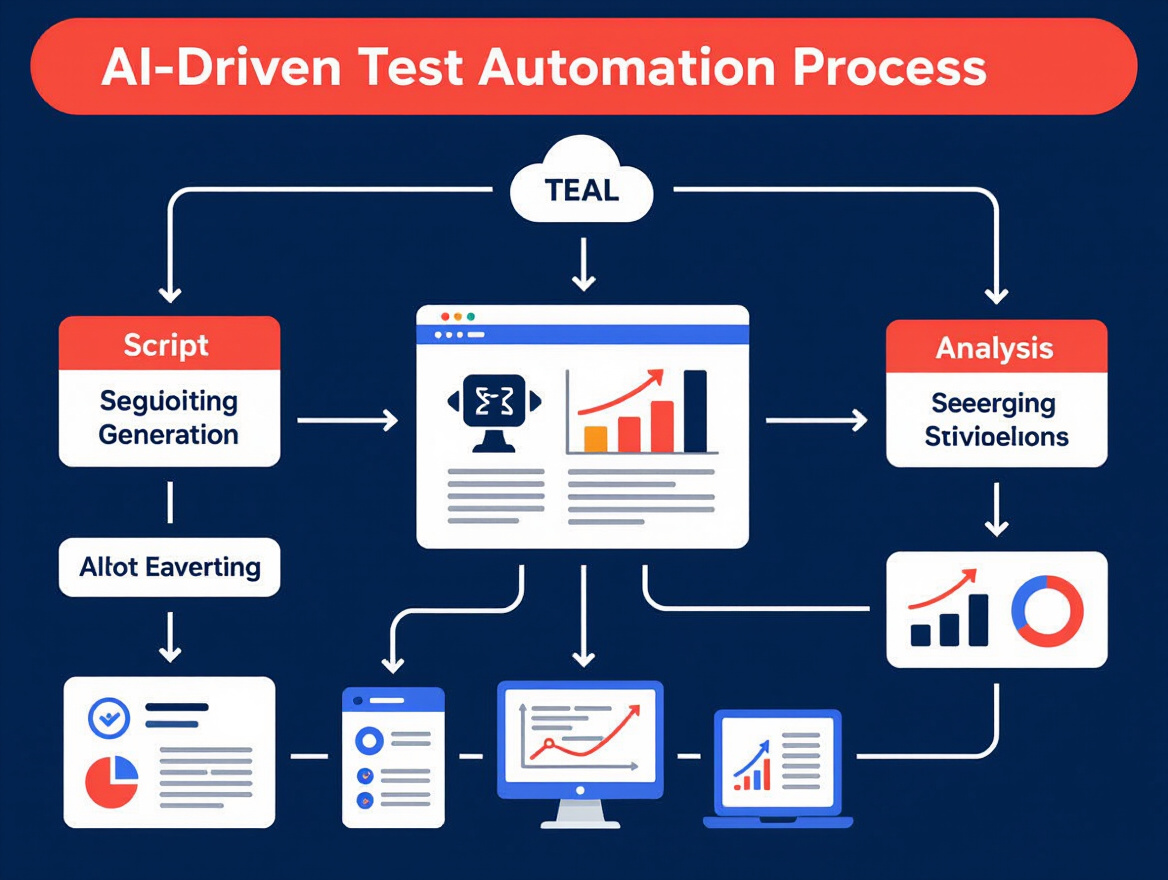
AI Performance Testing Across Load, Stress, Soak, Spike, and Volume Tests
| Test Type | Traditional Approach | AI-Enhanced Approach |
|---|---|---|
| Load | Fixed user count, uniform ramp-up, static scripts | Dynamic user behavior simulation based on real application traffic and historical usage |
| Stress | Manual estimation of system limits, trial-and-error saturation points | Predictive analytics to forecast infrastructure breaking points before failures occur |
| Soak | Long-duration tests with basic trend monitoring | AI-driven detection of gradual degradations like memory leaks, using long-term data |
| Spike | Sudden user surges based on guesswork, not historical context | Pattern-based spike modeling mimicking real-world event-driven surges |
| Volume | Large static datasets, manual analysis for bottlenecks | Automated data sizing and proactive throughput analysis to pinpoint bottlenecks faster |
Load and Stress Tests: More Realistic, Less Guesswork
AI performance testing fundamentally changes load and stress evaluations. Rather than relying on uniform ramps or static user journeys, AI simulates real user behavior from actual traffic and historical logs. This means test loads reflect real spikes, lulls, and usage patterns – often missed by traditional scripts. For stress tests, AI uses predictive analytics to spot early signs of infrastructure saturation, surfacing bottlenecks or impending failures before they cause outages.
Soak and Spike Tests: Uncovering Hidden Weaknesses
Soak and spike testing expose distinct vulnerabilities, and AI elevates both. During soak tests, AI continuously monitors for subtle degradations – such as creeping memory leaks or resource exhaustion – that can emerge only after extended load. For spike tests, AI draws from event-driven usage patterns to generate traffic surges that match real-world campaigns or product launches, uncovering issues that random spikes might miss.
Volume Tests: Smarter Data and Throughput Analysis
Volume testing is no longer about using the largest dataset possible. AI optimizes dataset sizes by learning from previous runs, ensuring tests are both challenging and relevant. It also proactively analyzes throughput as the test unfolds, catching bottlenecks as they emerge and providing rapid, actionable insights.
How AI Performance Testing Integrates with Cloud Testing Platforms
Continuous Performance Feedback in CI/CD Pipelines
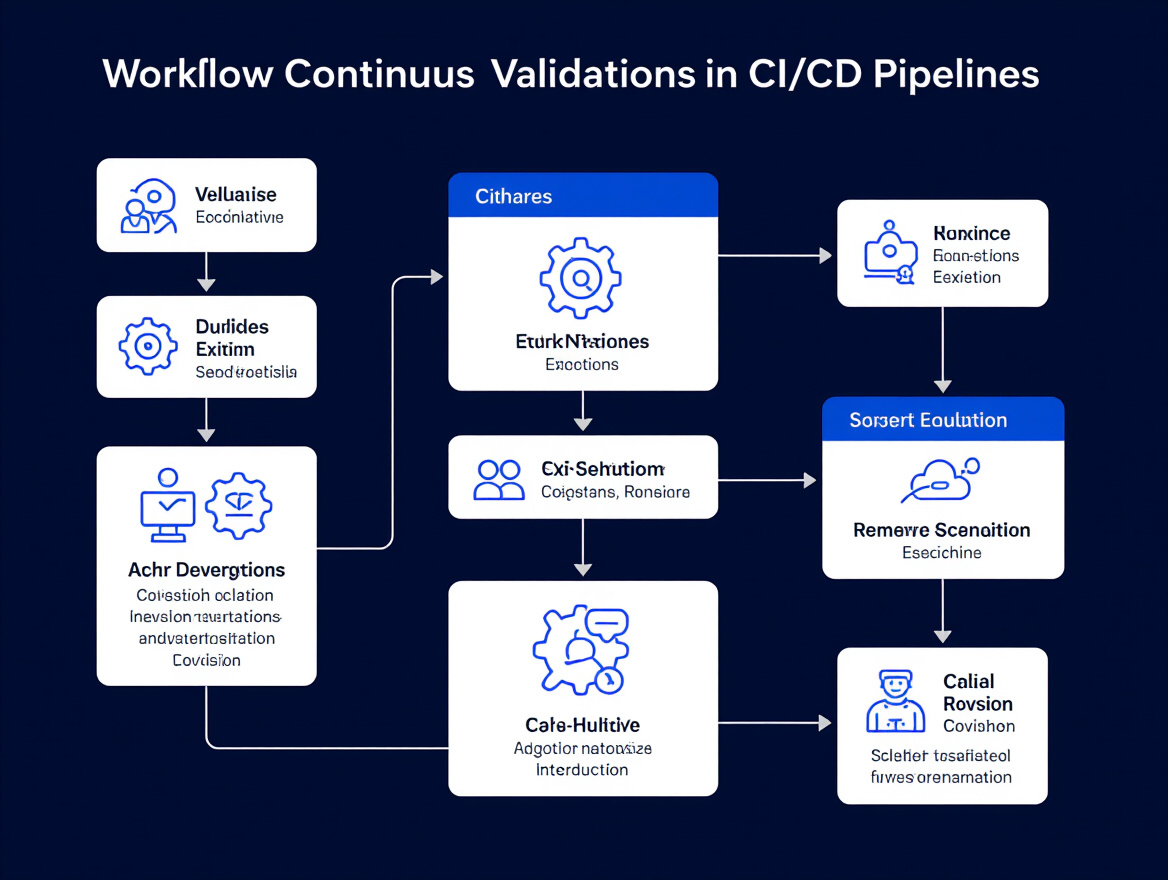
The rise of AI performance testing has changed how teams use cloud-based platforms. Rather than waiting until the final stages to validate speed or stability, AI-driven tools now integrate directly into CI/CD pipelines to automate performance gates and deliver rapid feedback. Every code push or merge can trigger smart load tests that simulate actual user traffic. AI learns from previous runs and adjusts test scenarios, catching subtle regressions that manual scripts often miss.
For distributed teams, performance validation is now a built-in safeguard, continuously monitoring whether new deployments might degrade user experience. Issues like slow API responses or backend bottlenecks are flagged early, giving developers actionable insights before customers notice a problem. The result: faster releases with higher confidence, because performance is checked as frequently as functionality.
Real-Time Insights and Proactive Monitoring
Cloud testing platforms now offer unified dashboards powered by AI, making it easier to spot anomalies and interpret results. Instead of sifting through raw logs or juggling disconnected tools, teams get real-time visualizations of key metrics – such as response times, error rates, and resource utilization – across every test run. When AI detects unusual patterns, like a spike in latency or a slow memory leak during soak tests, it triggers proactive alerts to the right people.
This immediate feedback loop transforms how distributed teams operate. Engineers across time zones see the same live data and can collaborate on troubleshooting without delay. AI’s ability to correlate incidents with root causes removes guesswork and reduces time spent chasing false leads. The platform’s cloud-based nature ensures everyone has access to up-to-date results and recommendations.
Scalability and accessibility are as important as intelligence. By moving performance testing into the cloud and layering in AI-driven automation, platforms enable organizations to test at scale, support globally distributed teams, and make performance a shared, ongoing responsibility.
Practical Benefits: What Teams Gain from AI Performance Testing
Speed, Precision, and Accessibility – All in One
AI performance testing changes how teams approach performance validation. The most immediate shift is test setup time. AI-assisted scripting allows you to record user journeys and have scripts with parameterization and correlation generated automatically, eliminating hours of manual authoring. Teams that once needed deep JMeter expertise can now build complex load tests in minutes.
Non-experts benefit as well. AI interprets results, flags anomalies, and outlines actionable steps for remediation. This lowers the barrier for running advanced tests and helps teams catch issues before they reach production.
Before/After: Usage Patterns Transformed
| Before | After |
|---|---|
| “Performance testing was a bottleneck – only QA specialists could write scripts, and tests ran manually before big releases.” | “Anyone on the team can record a user flow, let AI generate a test, and automatically receive detailed insights after each CI/CD build.” |
| “Root cause analysis meant hours sifting through log files and test outputs, hoping to spot patterns.” | “AI flags anomalies, compares results to historical baselines, and pinpoints exactly where and why slowdowns occur.” |
The “after” scenario works because AI democratizes testing and shortens feedback loops. Test creation and analysis no longer depend on a handful of experts, and performance issues get flagged and resolved in real time.
Faster Issue Resolution, Less Guesswork
With predictive analytics and real-time anomaly detection, teams spot underlying problems before they escalate. AI-powered tools analyze logs, compare current results with past baselines, and suggest tailored fixes. This speeds up troubleshooting and ensures teams spend less time guessing and more time improving application reliability.
As performance testing becomes part of everyday development, the combination of speed, accessibility, and actionable insight redefines what’s possible for software quality and user experience.
Limitations and Nuances: Where AI Performance Testing Still Falls Short
The Data Quality Dilemma
AI performance testing depends on diverse, up-to-date test data to produce reliable results. If your dataset only reflects a subset of real user activity, the model’s predictions and simulations can miss critical usage patterns or bottlenecks. For example, if your system serves multiple geographies or device types, but your training data skews toward a single region or platform, test outcomes may not represent true production risks. Consistently curating and updating data is essential for meaningful insights.
Human Oversight Remains Essential
Even as AI automates script generation and log analysis, complex edge cases still require human judgment. AI models are trained on historical trends and recognized patterns, but rare or novel behaviors – such as a sudden API change or integration quirk – might go undetected. Teams must pair AI-driven recommendations with domain expertise, especially during major releases or architectural shifts.
The Need for Periodic Model Retraining
Applications evolve continuously. New features, traffic spikes, and infrastructure changes mean yesterday’s models may not fit today’s realities. Periodic retraining is necessary to preserve accuracy. Without it, AI performance testing can drift, surfacing false positives or missing emerging issues. This retraining process requires organizational discipline and, at times, significant compute resources.
The biggest risk is overreliance on AI. While these tools increase test coverage and surface actionable findings, they are not infallible. Treating AI as a co-pilot, rather than the sole driver, keeps performance testing grounded in both automation and seasoned experience.
What Comes Next: The Future of AI in Performance Testing
Self-Healing Automation and Smarter Detection
AI performance testing is advancing toward self-healing test scripts that adapt in real time. Instead of breaking when a UI element changes or traffic patterns shift, the next wave of AI models will detect context and repair scripts automatically. This means fewer disruptions and less manual maintenance for teams as applications evolve.
Anomaly detection is also improving. Rather than relying on static thresholds, AI will learn what “normal” performance looks like, then flag subtle degradations or outliers as soon as they appear. This proactive alerting shortens the window between a problem emerging and resolution.
Deeper Integration with DevOps and Observability
Expect tighter integration between AI-powered testing, CI/CD pipelines, and observability platforms. Instead of isolated performance tests, continuous validation will be wired directly into deployment processes. Real-time feedback loops will help teams ship changes with confidence, knowing that every release is scrutinized by intelligent, adaptive tests and monitoring tools.
Key Insight: The future of AI performance testing lies in automation that adapts as fast as your codebase changes, paired with continuous, predictive monitoring that keeps pace with real-world demands.
These systems will still require oversight – AI cannot replace critical thinking or domain expertise. But as self-healing automation and smarter detection become standard, teams will spend less time firefighting and more time optimizing for user experience.
Actionable Takeaways: How to Start with AI Performance Testing Today
Evaluate Cloud Platforms with AI Features
Start by reviewing cloud testing platforms that offer built-in AI capabilities for performance analysis and script generation. Look for AI-powered analysis to help pinpoint bottlenecks and optimize response under pressure. When comparing platforms, consider features such as real-time anomaly detection, AI-assisted test creation, and easy integration with your existing toolchain.
Automate the Fundamentals First
To gain immediate value, begin by automating test script generation and basic result analysis. AI can quickly turn recorded application journeys into dynamic test scripts, reducing the manual effort and expertise that traditional performance testing demands. Let AI handle traffic pattern simulation and initial test result triage – this helps you run more frequent tests and catch issues earlier in the development cycle.
Integrate with CI/CD and Keep Humans in the Loop
Integrate your AI performance testing workflows directly into your CI/CD pipelines for continuous validation. This ensures performance checks happen with every build, not just before release or after an incident. However, don’t rely solely on automation. Combine AI-generated insights with expert review to catch edge cases, interpret context, and fine-tune tests over time. Periodically retrain and calibrate your AI models as your application evolves.
- Choose a cloud platform with AI features tailored to your tech stack
- Automate basic script generation and analysis to speed up adoption
- Connect performance tests to your CI/CD process for ongoing coverage
- Review AI findings with experienced testers for best results
Adopting AI performance testing is about enhancing – not replacing – your current practices. By blending automation with human judgment, you can build a resilient testing process that keeps pace with modern release cycles.
Frequently Asked Questions
How is AI performance testing different from traditional approaches?
AI performance testing stands apart from manual, script-driven methods by using machine learning to analyze real user traffic and generate dynamic, realistic load profiles. Instead of relying on static scripts and manual log analysis, AI automates test creation, predicts bottlenecks, and surfaces actionable insights. For example, AI can simulate spike traffic based on historical event data or identify gradual performance degradations that older tools often overlook.
Can I integrate AI performance testing with my existing cloud testing workflows?
Many leading platforms now support tight integration between AI-powered testing and cloud-based workflows. This allows you to run tests automatically as part of your CI/CD pipeline, ensuring every deployment is validated for speed and stability. AI-generated test scripts and real-time anomaly detection fit naturally with infrastructure-as-code and DevOps practices, keeping performance validation continuous.
What are some practical tips for adopting AI performance testing?
- Start by automating basic load and stress tests, then expand to scenarios like soak and spike testing as you build confidence with AI-driven tools.
- Use AI-assisted script authoring to lower technical barriers – especially valuable if your team lacks deep scripting experience.
- Regularly retrain AI models with fresh data to keep tests accurate as your application evolves.
- Combine AI insights with human review to catch edge cases and validate recommendations, avoiding overreliance on automation.
What are the main limitations of AI performance testing?
AI performance testing requires diverse, high-quality test data and regular model retraining to remain effective. Overreliance on AI can lead to missed edge cases or false positives, so human oversight is essential. Additionally, AI tools may not capture every complex user scenario or infrastructure nuance, making a blend of AI and traditional expertise important.
How does AI performance testing support continuous delivery?
AI performance testing integrates with CI/CD pipelines, enabling automated performance checks with every build. This continuous validation helps teams catch regressions early, maintain application reliability, and release updates with greater confidence.
Do I need deep scripting expertise to use AI performance testing tools?
No. Modern AI-powered tools are designed to lower the technical barrier. Features like script recording and AI-assisted parameterization allow teams without deep scripting backgrounds to create and maintain durable performance tests.
How often should AI models be retrained for performance testing?
Retraining frequency depends on how often your application changes and how much your user traffic patterns evolve. As a rule of thumb, retrain models after significant releases, infrastructure changes, or when you notice a decline in test relevance or accuracy.
Adopting AI performance testing is about amplifying proven methods with automation and predictive capabilities. As AI-powered analysis becomes standard, teams gain the ability to validate performance earlier and more often, leading to more resilient, user-friendly applications.
Built with PostNext planner