Key Takeaways
AI-Driven Testing Speeds Up Quality Assurance
AI-powered automated test script generation is transforming how software teams approach quality assurance. By analyzing real user behavior, code changes, and system logs, these tools reduce the time and effort needed to create and maintain tests. This shift from manual scripting to AI-generated scripts helps teams keep test coverage in sync with rapid release cycles.
Democratization Through Integration and Accessibility
Integration with platforms such as Jira and support for frameworks like Playwright and Selenium are making automation more accessible to non-developers. Tools that convert structured manual test cases – such as those in Gherkin format – into executable scripts broaden participation beyond traditional QA engineers. This trend is expanding test automation access and collaboration across teams.
Is Your Infrastructure Ready for Global Traffic Spikes?
Unexpected load surges can disrupt your services. With LoadFocus’s cutting-edge Load Testing solutions, simulate real-world traffic from multiple global locations in a single test. Our advanced engine dynamically upscales and downscales virtual users in real time, delivering comprehensive reports that empower you to identify and resolve performance bottlenecks before they affect your users.
Oversight and Data Quality Remain Essential
While AI-generated test scripts adapt quickly and increase coverage, human review and high-quality training data are essential for contextual accuracy. Self-healing and model-based approaches can reduce maintenance, but targeted, expert refinement remains necessary. For more on balancing automation with oversight, see the case study on SaaS performance regression detection.
Summary
Adopting automated test script generation powered by AI enables teams to deliver reliable, dependable software at speed. The most effective implementations combine these advancements with thoughtful human input and continuous integration into broader testing workflows.
How AI-Powered Script Generation is Changing Load Testing in 2026
Automated test script generation has evolved rapidly. In 2026, AI-driven tools are increasingly taking over labor-intensive scripting for load and performance testing, especially for APIs and cloud-native applications. Teams that once spent days rewriting scripts after every sprint now use AI to generate, adapt, and refine test cases that reflect both user behavior and the latest code changes.
Think your website can handle a traffic spike?
Fair enough, but why leave it to chance? Uncover your website’s true limits with LoadFocus’s cloud-based Load Testing for Web Apps, Websites, and APIs. Avoid the risk of costly downtimes and missed opportunities—find out before your users do!
Immediate Impact: Speed and Coverage
AI-powered script generation addresses a persistent bottleneck for QA and DevOps teams: manual script authoring and maintenance in fast-moving codebases. Machine learning models analyze system logs and user flows to create or update scripts more quickly than manual methods. This enables faster test creation and broader coverage of edge cases and complex workflows – critical for realistic load simulation.
With the pressure for rapid releases and continuous integration, traditional scripting often struggles to keep pace. As organizations adopt continuous validation and push code multiple times a day, automated script generation helps performance testing stay aligned with CI/CD realities and reduces release bottlenecks.
Key Insight: AI-driven automated test script generation is removing traditional QA bottlenecks by delivering faster, more adaptive test coverage for modern cloud and API performance testing.
Broader Participation in Test Automation
The impact extends beyond speed. AI is enabling wider participation in test automation. Scriptless and low-code platforms allow even non-developers to initiate performance tests. This shift is evident in comparisons of scripted and AI-driven approaches, where AI solutions expand coverage while reducing manual overhead.
Organizations that embrace AI for load test scripting are better positioned to deliver higher-quality releases, respond to changing requirements, and scale testing as needed – without relying solely on specialized automation engineers.
LoadFocus is an all-in-one Cloud Testing Platform for Websites and APIs for Load Testing, Apache JMeter Load Testing, Page Speed Monitoring and API Monitoring!
What’s Driving Automated Test Script Generation in 2026?
The Role of Machine Learning and NLP
Machine learning and natural language processing (NLP) are central to the shift toward more adaptive automated test script generation. Modern AI models analyze real user behavior, system logs, and historical code changes to build test scripts that target areas prone to defects. This data-driven approach helps test suites evolve with applications, prioritizing risk zones and filling coverage gaps that manual testers might overlook.
NLP enables tools to convert human-readable requirements or Gherkin-style scenarios into executable automation scripts, bridging manual and automated testing. For example, Xray’s AI integration in Jira allows team members without deep coding expertise to turn validated manual test cases into framework-ready scripts. This human-in-the-loop approach democratizes automation and helps keep tests relevant as business needs change. Scriptless and low-code platforms further extend participation, enabling quality professionals and subject matter experts to drive automation efforts. For more on codeless approaches, see this comparison between scripted and codeless API load testing.
Continuous Integration Demands
The widespread adoption of cloud testing platforms and CI/CD pipelines has changed QA practices. With deployment cycles shrinking and code shipping multiple times daily, manual test scripting is often too slow. Automated test script generation produces, updates, and maintains scripts in sync with rapid development.
AI-powered tools quickly reflect code changes in test suites, ensuring new commits receive appropriate coverage and helping catch regressions before production. In performance testing, platforms like LoadFocus use cloud-native infrastructure to support these demands, providing real-time insights and AI-driven analysis that keep pace with delivery speeds. For organizations using multi-cloud or serverless architectures, integrating automated script generation with cloud performance tools streamlines validation across environments – see this guide to end-to-end performance testing for multi-cloud for context.
As automated test script generation matures, it enables wider team participation, closes coverage gaps, and adapts to software delivery speed. This builds confidence in every release, regardless of pace.
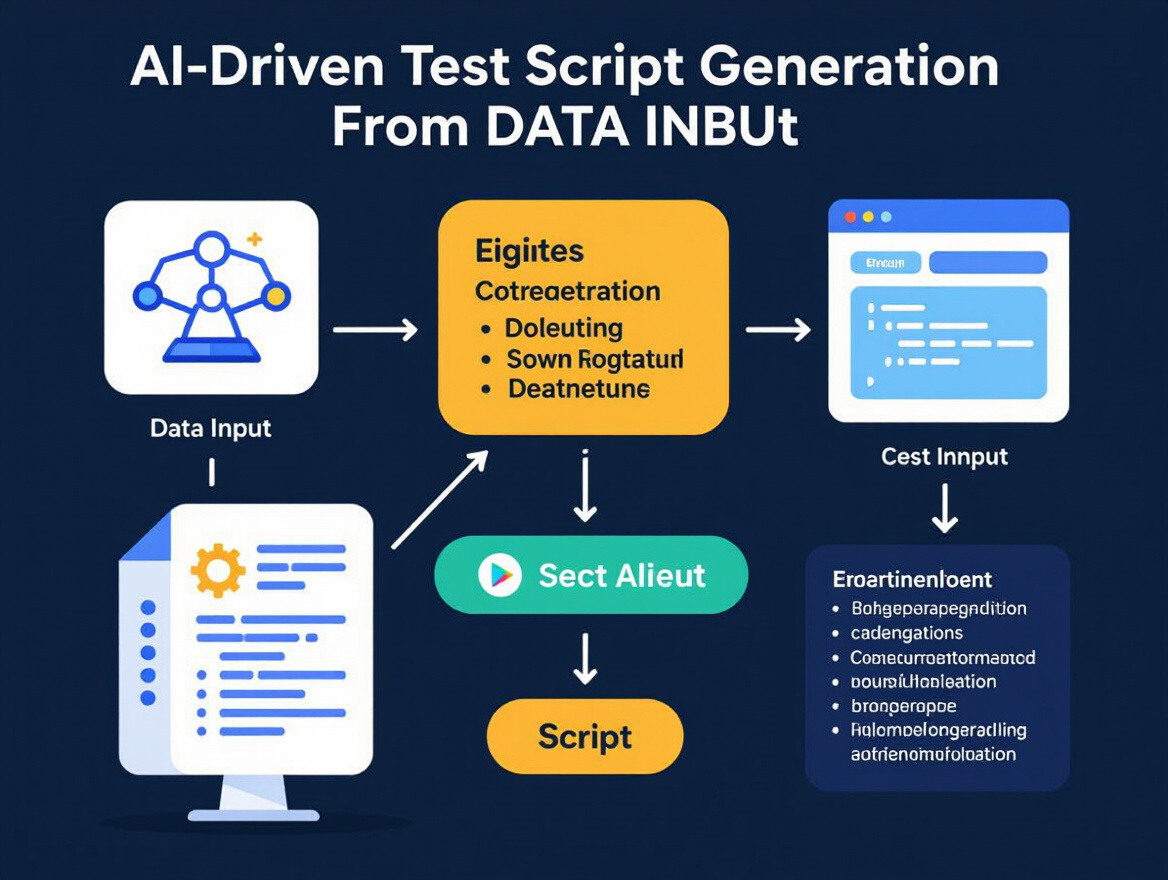
How AI Script Generation Works: Key Approaches Explained
Automated test script generation in 2026 combines several methodologies, each with distinct advantages. The most impactful approaches – model-based testing, property-based testing, and log analysis – move away from brittle, one-off scripts toward adaptive automation that mirrors real user interactions.
| Approach | Description | Best Use Case |
|---|---|---|
| Model-Based Testing | Defines application flows as explicit models, generating structured test scripts to cover paths and edge cases. | Complex workflows, algorithmic validation, ensuring broad coverage with less manual scripting. |
| Property-Based Testing | Specifies desired properties or invariants, prompting AI to generate test scenarios that attempt to break them. | Validating logic-heavy features, catching subtle failures beyond standard user flows. |
| Log & Usage-Based Scripting | Analyzes system logs and user sessions to create scripts reflecting authentic behaviors, not just ideal paths. | Capturing production-like scenarios, prioritizing high-impact or frequently used features. |
| Self-Healing Scripts | Uses AI to detect minor app changes and autonomously update selectors or flows, reducing test breakage. | Highly dynamic apps, fast-moving CI/CD pipelines, minimizing manual maintenance. |
Model-Based Testing: Building Expansive Coverage
With model-based testing, you define the application’s behavior as models – such as state machines or flow diagrams – covering possible navigation and input. AI translates these models into structured, reusable scripts. This approach is effective for complex workflows and systems where missed paths could cause bugs. For performance-critical areas like serverless architectures, model-based scripts help ensure broad coverage and surface edge cases that manual tests might miss.
Log & Usage-Based Scripting: Turning Real User Data into Actionable Test Scripts
AI analyzes system logs and real user sessions to generate scenario-rich scripts mirroring actual usage, not just happy paths. This ensures test coverage reflects production realities – catching patterns, rare edge cases, and usage spikes that could cause performance issues. For mission-critical applications, this method surfaces issues traditional scripting might overlook, as discussed in 10 Common API Performance Issues and How to Detect Them. The result: scripts targeting what matters most to users and business.
Self-Healing Test Scripts: Reducing Maintenance
One practical AI contribution is self-healing scripts. These scripts detect and adapt to minor UI or API changes – like button label updates or field moves – by updating selectors or logic without manual intervention. This reduces maintenance, especially in environments with frequent deployments and constant change. Teams using platforms like AI-driven load testing report fewer flaky tests, supporting faster releases and more reliable results.
Practical Benefits: Coverage, Speed, and Cost Reduction
Automated test script generation is expanding what’s possible for QA and DevOps teams. When AI handles much of the work, teams benefit from broader test coverage, shorter feedback cycles, and reduced costs.
| Benefit | AI-Generated Scripts | Manual Scripts |
|---|---|---|
| Coverage | Adapts to new features and code changes; identifies risk areas and gaps using app usage data | Often struggles to keep up with evolving codebases and rapid releases |
| Speed | Creates and updates scripts quickly, supporting CI/CD pipelines | Requires hours or days for script writing and maintenance per release |
| Cost Reduction | Reduces reliance on scarce automation engineers; democratizes scripting | Higher labor cost, especially when re-writing scripts for every change |
| Feedback Cycles | Enables continuous feedback, catching regressions early | Delayed feedback, risking late-stage failures |
| Maintenance | Self-healing and dynamic adaptation reduce manual intervention | Manual updates required for every environment or logic change |
Before and After: Script Generation in Practice
| Before | After |
|---|---|
| Manual scripting: Each time a feature changes, QA engineers rewrite or update dozens of test scripts by hand, often missing subtle UI or API shifts. Test coverage can decline as deadlines approach. | AI-driven scripting: The system detects new code commits and usage trends, generating relevant test scripts that reflect current user paths. Minor tweaks are made by testers, but most coverage updates itself – freeing the team to focus on complex scenarios. |
The “after” example works because AI adapts scripts to real application changes automatically, while manual scripting struggles to keep pace. Teams experience less test debt and fewer missed issues.
Key Insight: AI-generated scripts scale test coverage and speed feedback, supporting agile and DevOps workflows.
For organizations under pressure to deliver faster and with fewer resources, this shift is changing how quality assurance and performance testing fit into the software lifecycle. Teams running automated regression tests in SaaS environments or pursuing continuous validation report benefits such as broader coverage, faster releases, and reduced costs. As AI-powered generation matures, these advantages are expected to become standard for modern testing.
Limitations and Challenges: Where Human Expertise Still Matters
AI Scripts Aren’t Foolproof: Data Quality and Contextual Gaps
Automated test script generation improves speed and coverage but is not a plug-and-play solution. AI models depend on the quality of their training data. If historical test cases or system logs are incomplete or biased, generated scripts may miss critical user flows or rare edge cases. Despite advances in natural language processing, AI can struggle with ambiguous requirements or rapidly changing business logic – areas where human judgment remains essential.
Environment-specific nuances can also be overlooked. For example, cloud-based performance testing platforms must consider variables like CDN configurations, third-party integrations, and network conditions. AI-generated scripts may produce tests that seem effective but do not capture subtle production behaviors. This is particularly relevant for serverless architectures or complex multi-cloud deployments.
Integration Gaps and the Human-in-the-Loop Mandate
Integration between AI-driven scripts and existing test management systems is still evolving. Organizations may face challenges linking AI-generated scripts with established workflows, traceability, or compliance requirements. These gaps can slow adoption and create silos between manual and automated efforts, as discussed in posts on AI-driven versus scripted load testing.
Ongoing human oversight remains necessary. Testers must validate AI outputs, refine scripts to reflect changing requirements, and handle exceptions the model cannot predict. Even with self-healing and adaptive tools, responsibility for test quality and coverage rests with experienced QA engineers and domain experts.
Key Insight: AI-generated scripts speed up automation, but human expertise is critical for capturing context, handling exceptions, and ensuring real-world relevance.
Over time, AI will handle more routine tasks, but the value of skilled testers – especially for complex, high-stakes systems – remains significant.
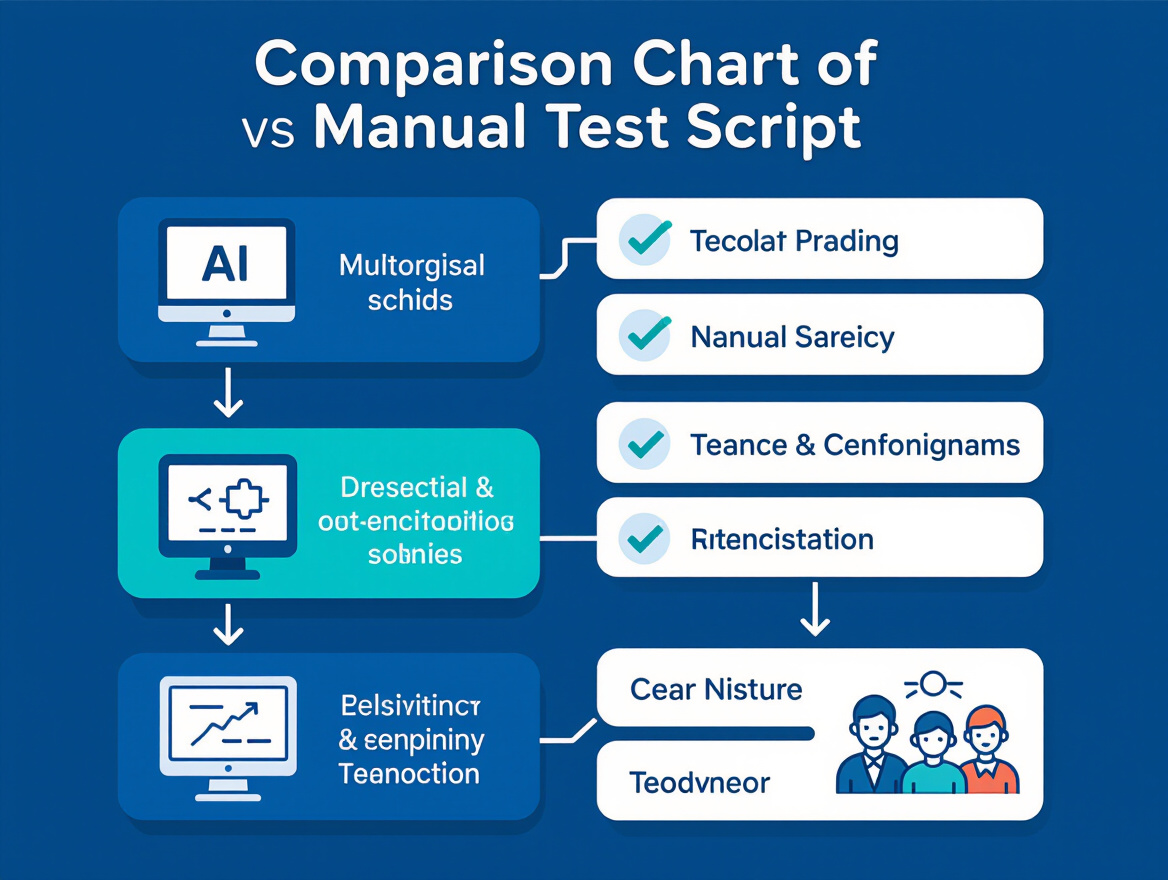
Industry Example: Xray’s AI Test Script Generation in Jira
How Xray Bridges Manual and Automated Testing
Xray’s integration with Jira demonstrates how automated test script generation with AI is evolving software testing. Traditionally, manual test cases – especially in Gherkin format – were siloed. Automation engineers translated them into executable scripts, often causing duplication and delays as codebases changed.
Xray’s AI engine reduces this bottleneck by transforming validated manual Gherkin-based test cases directly into automation scripts compatible with frameworks like Playwright and Selenium. This allows teams to generate scripts more quickly without relying solely on automation engineers. Non-developers, including business analysts and manual testers, can contribute directly to automation pipelines, increasing coverage and speed while maintaining traceability.
Enabling DevOps and QA Teams
Xray’s approach aligns with modern DevOps and QA practices. Automated test script generation speeds up test creation and links requirements, manual validation, and CI/CD pipelines. Changes remain tracked within Jira, supporting audit trails for compliance and risk management. Generating scripts for frameworks used in cloud and continuous deployment environments helps AI-driven workflows fit naturally into today’s continuous validation and AI-powered load testing strategies.
Despite efficiency gains, AI-generated scripts typically require human review to address environment specifics or edge cases. Still, Xray’s model has made automation more accessible for many teams that previously relied heavily on manual testing. As AI solutions mature, broader adoption and competitive differentiation are expected among organizations embracing this approach.
Connecting AI Script Generation to Load Testing in the Cloud
The Convergence of AI and Cloud-Based Load Testing
Cloud-based testing platforms like LoadFocus are incorporating AI-powered automated test script generation into their offerings. As engineering teams manage growing application complexity and traffic spikes, automated script creation is becoming foundational for scalable, reliable load testing. The focus is not just on speed but on how well scripts reflect real-world behavior and adapt to rapid code changes.
Precision, Scalability, and Resource Efficiency
Traditional load testing required hand-crafted scripts, updated for each release, with troubleshooting for minor UI or API changes. AI-driven script generation uses machine learning and natural language processing to analyze usage patterns, identify coverage gaps, and produce scripts that adapt dynamically as systems evolve. This enables quick test setup, synchronization with releases, and parallel execution across distributed cloud environments with less overhead.
Platforms integrating AI into load testing – such as LoadFocus – report improvements in performance testing precision and resource efficiency. Teams spend less time on maintenance and more on actionable insights. For more on these approaches, see Scripted vs AI-Driven Load Testing: 2026 Insights.
Broader Industry Momentum
This trend aligns with a larger push toward continuous validation and scalable test automation. Tools linking AI-generated scripts to cloud execution and analytics help QA and DevOps teams catch regressions early, optimize resources, and respond to demand variability. To understand continuous validation’s role, see Continuous Validation: The Future of Testing.
The combination of automated test script generation with scalable cloud load testing is shaping how organizations approach performance and reliability in 2026, enabling faster delivery while maintaining accuracy and coverage.
Democratizing Test Automation: Scriptless and Low-Code Platforms
From Coding Bottleneck to Teamwide Participation
Traditional automation has depended on a small group of specialized test engineers who write and maintain scripts. This model struggles to keep pace with rapid deployment cycles. Scriptless and low-code platforms are changing this by letting non-developers build, modify, and maintain test cases through visual flows, drag-and-drop components, or natural language instructions instead of raw code.
Lowering the Barrier: How Scriptless Tools Expand Automation
With scriptless automation, anyone familiar with business logic can create or update tests, whether in QA, product management, or support roles. This enables more agile responses to changing requirements and reduces dependency on a few automation specialists. AI-powered automated test script generation speeds up this trend by converting manual test cases or user stories into executable scripts, allowing teams to cover more scenarios without waiting for hand-coded scripts.
Platforms like Xray, integrating AI script generation with Jira, exemplify this: manual Gherkin test cases become framework-ready scripts for Selenium or Playwright, giving non-coders a direct path into automation. This preserves traceability and broadens automation’s reach.
Alignment with Broader Trends in Test Automation and Cloud Testing
The move toward low-code and scriptless testing reflects larger industry shifts. As described in this case study on automated SaaS testing, democratized automation supports faster detection of performance regressions and smoother scaling of test coverage. Cloud-native platforms like LoadFocus reinforce this by providing scalable environments where teams can design, execute, and analyze tests without managing on-premise infrastructure. For teams under pressure to deliver stable releases quickly, scriptless automation and AI-driven script generation are becoming essential.
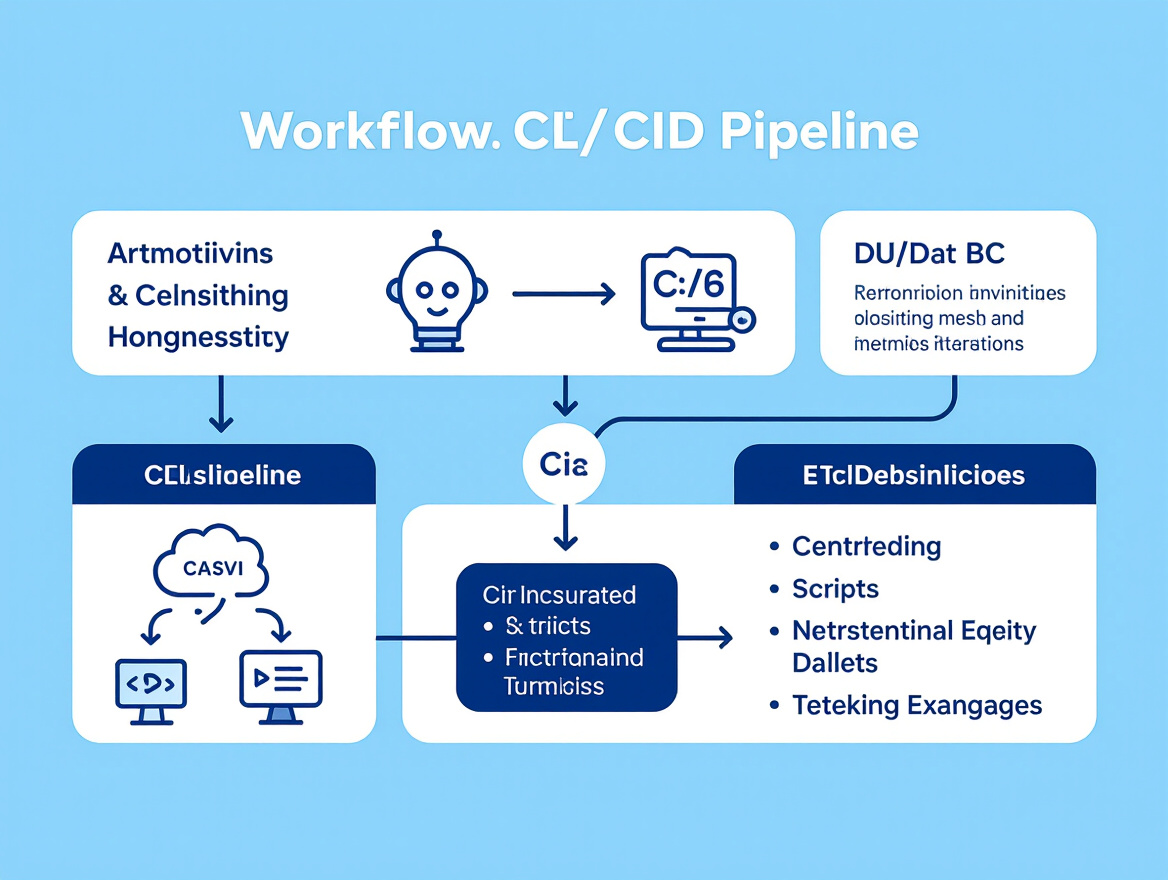
The Future of Automated Test Script Generation
Smarter, More Adaptive Scripts for Cloud-Native Testing
Automated test script generation is evolving rapidly, with innovation focusing on adaptability and context-awareness. AI-driven scripting tools already learn from live usage patterns and code churn, and are expected to become more responsive. Scripts will adapt not only to code changes but also to shifting infrastructure, especially as cloud-native architectures and serverless deployments become common. Integration between automated test scripts and cloud-based performance testing tools, such as LoadFocus, will help teams test real-world scenarios at scale, reflecting how users interact with modern applications under load.
Emerging Standards and Interoperability
Industry standards are maturing, improving interoperability among test automation platforms. As frameworks converge on best practices for script portability, traceability, and results integration, QA teams will better avoid vendor lock-in and build resilient, reusable test suites across CI/CD pipelines and cloud providers.
The Human Factor: Where AI Stops and Expertise Begins
AI’s role is expanding, but human expertise remains essential. While self-healing scripts and advanced property-based testing close many gaps, nuanced test scenarios – especially involving business logic or edge cases – still require human judgment. The rise of scriptless and low-code automation lowers barriers for non-developers, but high-value automation projects benefit from expert oversight. For more on this balance, see our comparison of scripted and AI-driven load testing.
Key Insight: The future of automated test script generation will blend smarter AI adaptation with evolving standards and deeper cloud integration – but the best results come when these advances augment, not replace, skilled human testers.
Actionable Takeaways for QA and DevOps Leaders
Where to Start with Automated Test Script Generation
If you’re considering AI-driven automated test script generation, start by auditing your team’s current test coverage – especially where manual scripting slows progress. Identify modules that require frequent updates or have complex workflows with regression risk. AI-powered solutions are particularly effective in these high-churn areas, where traditional scripts often lag behind code changes.
Pilot AI test generation in select projects to measure real-world impact without disrupting existing pipelines. Teams working with rapidly evolving APIs or UI components may see clear benefits as AI-generated scripts adapt to changes. Choose tools that integrate with your test management stack – such as Jira-integrated options described in this comparison of scripted vs AI-driven load testing – to link automation scripts directly to requirements and user stories.
Invest in training and process refinement so testers and QA engineers understand AI-generated scripts’ strengths and limitations. This supports effective human-AI collaboration and helps automation scale without losing context or accuracy.
| Action | Expected Outcome | Best Context for Use |
|---|---|---|
| Audit existing test coverage and identify high-churn areas | Pinpoint where AI can reduce repetitive manual scripting | Legacy codebases, frequently updated modules |
| Pilot AI-powered script generation tools in select projects | Faster test creation and adaptation to code changes | APIs, dynamic UIs, fast-moving feature development |
| Integrate AI-generated scripts with existing test management systems | Improved traceability and streamlined workflow | Teams using Jira, TestRail, or similar platforms |
| Provide skill development for testers on AI tool usage | Broader participation in automation, fewer bottlenecks | Mixed-skill QA teams, organizations shifting toward scriptless automation |
Teams that balance AI automation with human insight can speed up release cycles and improve quality, even as applications and infrastructure grow more complex. As AI solutions mature, the most successful organizations will treat automated test script generation as an evolving partnership between technology and people.
Frequently Asked Questions
What is automated test script generation and why is it important in 2026?
Automated test script generation uses AI methods – like machine learning and natural language processing – to automatically create test scripts based on your app’s code, user journeys, and test data. By letting AI handle much of the script-writing work, teams save time and reduce manual effort. This is especially valuable with quick release cycles in modern CI/CD environments, where traditional scripting often can’t keep up.
How does AI-powered script generation improve test coverage and reliability?
AI-driven tools analyze real usage patterns and evolving codebases to identify risk areas that manual testers might miss. These tools automatically update scripts to reflect new features or changes, so test coverage remains current as your product evolves. This adaptability is important for complex or fast-moving projects. For teams focused on API performance, this approach helps detect subtle bottlenecks – see 10 Common API Performance Issues and How to Detect Them for examples.
Can non-developers use automated test script generation tools?
Yes, many platforms support scriptless or low-code test automation. AI can convert plain-language test cases, like those in Gherkin, into executable scripts for frameworks such as Playwright or Selenium. This lowers the barrier for QA professionals and product owners without coding backgrounds. Scripted vs Codeless API Load Testing: Which Approach Fits Your QA Team? offers more on matching tools to your team’s skills.
What are the strategic benefits for organizations adopting AI-driven script generation?
Teams adopting AI-powered automated test script generation gain faster feedback, broader test coverage, and quicker releases – all supporting higher software quality and business agility. Because scripts update automatically, teams spend less time on maintenance and more on delivering value. This supports continuous testing and performance optimization, especially when integrated with cloud platforms like LoadFocus.
What are the main limitations or challenges?
AI-generated scripts still require human refinement to handle environment-specific variables or edge cases. Quality and reliability depend on solid training data and well-integrated test management workflows. Some tools include self-healing features, but oversight remains essential to avoid false positives and keep scripts relevant as systems grow more complex.
How can teams get started with automated test script generation?
Begin by identifying areas where manual scripting is a bottleneck, such as frequently updated modules or complex workflows. Pilot AI-powered tools in these areas, and ensure integration with your test management systems. Provide training for testers to understand both the capabilities and limitations of AI-generated scripts, supporting effective collaboration between people and technology.
AI and automated test script generation are expanding what’s possible in load testing and QA, giving teams new ways to keep pace with modern software development.
Produced via the PostNext app