
Understanding Standard Deviation in Performance Testing
Two runs with the same mean can behave completely differently, and this is how you tell. Pair it with percentiles rather than reporting either alone.
Newest first. 300 load testing, JMeter, test automation and monitoring guides, plus tool comparisons. Browse by topic from the blog home.

Two runs with the same mean can behave completely differently, and this is how you tell. Pair it with percentiles rather than reporting either alone.
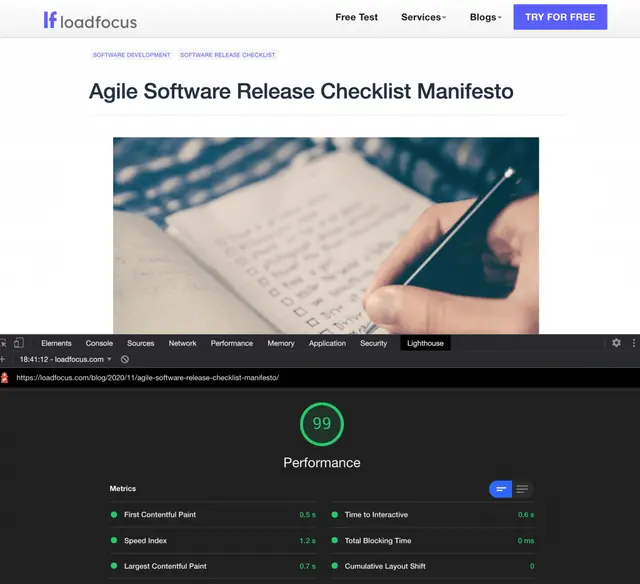
Caching plus image optimisation covers the majority of the available gain. Audit plugins periodically. Each one adds queries and assets to every page.

JMeter runs elements in a fixed order: config, pre-processors, timers, samplers, post-processors, assertions, listeners. The rules that trip people up.

Releasing often only works if the pre-release checks are automated and identical every time.
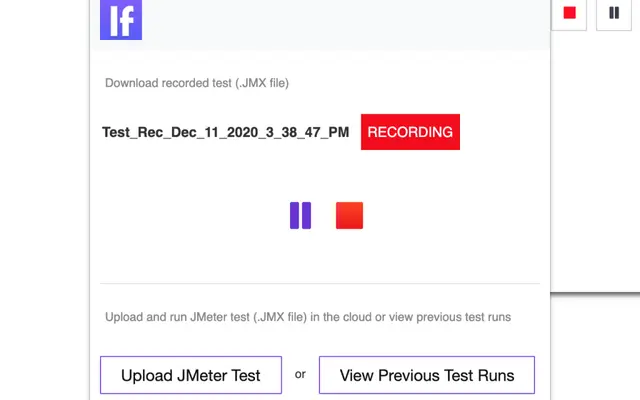
Recording in the browser captures the real request sequence including headers you would otherwise miss.
JMeter is written in Java and needs a JRE. Test plans are XML; in-test scripting uses Groovy (JSR223), Beanshell or JavaScript. What that means for you.
JMeter builds a test plan of thread groups and samplers, then runs it as concurrent Java threads.
Use brew –prefix to locate the install rather than guessing the path. Edit the properties file there, and remember an upgrade can replace it.
JMeter defaults to a small heap, which causes out-of-memory failures on large tests.
The Plugins Manager handles dependencies, which manual jar copying does not. Install it once, then add and update plugins from inside JMeter.
The with-plugins option was removed when Homebrew dropped formula options. Install JMeter first, then add plugins with the JMeter Plugins Manager.
Install Apache JMeter on macOS with Homebrew or the archive, fix the Java version, and start it from the terminal. Then run the same script in the cloud.
Cypress runs in the browser alongside your app, which makes debugging far more direct.
Selenium IDE is the fastest way to capture a journey, and the worst way to maintain one. Use it to draft a test, then export and clean up the locators.
TestCafe runs without WebDriver, which removes most of the setup friction. End to end tests are expensive, so keep them to the journeys that matter.
Running Lighthouse from an extension gives you an audit without leaving the page you are testing.
FMP tried to capture when the main content appeared, rather than the first pixel. Use LCP for anything current; FMP appears mainly in older reports.
A recovery plan that has never been executed is an assumption, not a plan. Test the restore, not just the backup; backups fail silently at restore time.

Stress testing pushes past expected load to find the breaking point and the failure mode. How the system recovers matters as much as where it broke.

TestCafe needs no WebDriver, which is why a working suite is possible in half an hour.
E2E tests earn their cost only on the journeys that make money; everything else belongs lower in the pyramid.
OpenSTF gives you remote access to real Android devices, which emulators cannot fully replace.
Include think time. Removing it produces a load pattern no user creates. Start below expected peak and ramp, so you can see where behaviour changes.
Puppeteer's click waits for the selector, but not for the element to be genuinely interactive.
Don’t miss out on the latest testing tips and tricks, tools and news related to software testing.
Already +20,000 members in the list.
Load test websites and APIs from 25 cloud regions, monitor page speed and uptime, and get AI analysis that explains your results in plain English.