Key Takeaways
Integrated Testing Is Essential for Resilience
Performance testing security in isolation is no longer sufficient. Security vulnerabilities often emerge under peak load, when systems are most exposed. Testing for both performance and security, together and under stress, is now a baseline requirement for organizations that prioritize resilience.
Automation and AI Enable Continuous Security Validation
Modern AI-driven and automated tools make it possible to embed vulnerability scans, penetration tests, and compliance checks directly into your load and stress tests. This method uncovers subtle security gaps – such as authentication failures or memory overflows – without slowing delivery. For practical automation strategies, see this post comparing scripted and AI-driven load testing.
Is Your Infrastructure Ready for Global Traffic Spikes?
Unexpected load surges can disrupt your services. With LoadFocus’s cutting-edge Load Testing solutions, simulate real-world traffic from multiple global locations in a single test. Our advanced engine dynamically upscales and downscales virtual users in real time, delivering comprehensive reports that empower you to identify and resolve performance bottlenecks before they affect your users.
Ignoring Security During Performance Testing Increases Risk
Overlooking security in performance tests exposes organizations to silent failures and increased breach risk. Attackers often exploit high-traffic periods, taking advantage when authentication systems struggle or performance bottlenecks force security controls to “fail open.” Integrating security checks into load scenarios is essential for reducing risk and maintaining compliance, especially in industries where milliseconds and data integrity are critical.
Actionable Insight
Make performance testing security a continuous, automated part of your pipeline. Simulating real-world traffic spikes, DDoS attempts, and concurrent authentications under load is now the baseline for protecting user trust and business continuity.
Security Blind Spots Under Load: The Flaw in Traditional Performance Testing
Why Separate Testing Is Risky
Many organizations still treat performance testing and security testing as separate tasks. This separation creates gaps. Real-world breaches often occur when systems are under stress, not during idle periods. Attackers know that overloaded authentication systems and resource-intensive security protocols can fail in subtle, exploitable ways during high-traffic events.
Think your website can handle a traffic spike?
Fair enough, but why leave it to chance? Uncover your website’s true limits with LoadFocus’s cloud-based Load Testing for Web Apps, Websites, and APIs. Avoid the risk of costly downtimes and missed opportunities—find out before your users do!
Key Insight: The most serious security failures often occur during periods of stress, exposing blind spots left by traditional performance testing.
Performance Tests Often Miss Security’s Breaking Point
Teams commonly run load tests focused on response time, throughput, or server utilization, then hand off to security for static penetration tests. This overlooks a critical reality: security features behave differently under load. SSL/TLS handshakes, JWT validation, and encrypted queries consume significant CPU and memory. Under peak traffic, this overhead can degrade user experience or, worse, cause the system to skip or weaken security checks to maintain speed.
Authentication systems based on OAuth or similar protocols are especially vulnerable. When thousands of users log in simultaneously – such as during flash sales – these systems may fail open, bypassing security validations to maintain speed. Traditional performance testing may not catch this. For a practical perspective on these impacts, see this case study on API throughput for financial platforms.
Real-World Breaches Happen Under Load
Attackers exploit “agitation points” – traffic spikes that mask malicious behavior among legitimate requests. This is especially relevant for sectors like retail or banking, where events such as Black Friday or regulatory deadlines create natural surges. Only by testing performance testing security in these conditions can teams uncover vulnerabilities that appear nowhere else.
A system that is fast but drops its guard under stress becomes a liability. The consequences include data breaches, compliance violations, and outages. For organizations seeking to align load testing with real-world risk, adopting an integrated strategy is increasingly important.
LoadFocus is an all-in-one Cloud Testing Platform for Websites and APIs for Load Testing, Apache JMeter Load Testing, Page Speed Monitoring and API Monitoring!
It’s not about whether your security holds up at rest – it’s whether it endures when your business, and your adversaries, apply pressure.
Why Performance Testing Security Is Essential in 2026
Performance testing security is now a core business imperative. Modern cyber threats strike when systems are under the most pressure, not when they are idle. The convergence of cloud-native architectures, distributed microservices, and AI-driven automation has increased both the scale and complexity of these challenges.
Modern Attack Patterns Target Performance Gaps
Attackers today exploit high-traffic events – such as flash sales or viral campaigns – to blend malicious traffic with legitimate user activity. During these surges, protocol handshakes and authentication flows like SSL/TLS negotiation or OAuth token validation can become choke points. If your infrastructure is designed to “fail open” under load, attackers can slip through weakened controls, gaining access or exfiltrating data when monitoring is at its weakest.
In financial services, where milliseconds matter and compliance is strict, automated attacks timed with payroll processing or market opens can both mask their presence and maximize damage. For SaaS and e-commerce platforms, attackers may flood registration or login endpoints, hoping overloaded authentication systems drop security checks to preserve user experience. These patterns have been observed in incident reports, highlighting why testing security under stress is as critical as testing for throughput or latency.
Cloud-native and distributed systems add complexity. With workloads shifting dynamically across nodes, a single overloaded service can create a ripple effect, degrading security at the edges. Recent guidance on performance testing cloud-native applications shows that these environments demand continuous, cross-layer validation – especially when API gateways, authentication proxies, or encryption modules are involved.
Key Insight: If you’re only testing security controls during “quiet hours,” your defenses are blind to the conditions attackers target most.
What Traditional Testing Approaches Miss Under Load
| Testing Approach | What It Covers | What It Misses Under Load |
|---|---|---|
| Functional Security Testing (Idle) | Checks auth logic, input validation, encryption routines with minimal traffic | Fails to reveal race conditions, memory leaks, or “fail open” logic that emerge only at scale |
| Standard Load Testing (No Security Integration) | Measures response time, CPU, and memory usage under simulated user loads | Ignores whether security controls degrade or are bypassed as throughput peaks |
| Penetration Testing (Off-Peak) | Identifies vulnerabilities in static or lightly loaded environments | Overlooks timing attacks and subtle exploits only feasible when the system is stressed |
| Integrated Performance & Security Testing | Evaluates both speed and security during realistic traffic surges, with automated risk detection | Requires comprehensive tooling and expertise; automated analysis may miss complex, context-specific risks |
Integrating automated security checks and AI-powered anomaly detection into your load testing is increasingly feasible and expected. Tools that simulate real-world stress while monitoring for both performance and subtle security drift help teams maintain resilience. For teams moving to serverless or multi-cloud architectures, this level of scrutiny is essential. See how these demands are changing approaches in serverless performance testing and multi-cloud performance test setups.
Skipping performance testing security is a risk few enterprises can justify in 2026. With AI and automation removing traditional barriers, integrating security into your performance testing strategy ensures your defenses hold when it matters most.
Where Security Fails Under Load: Real-World Patterns
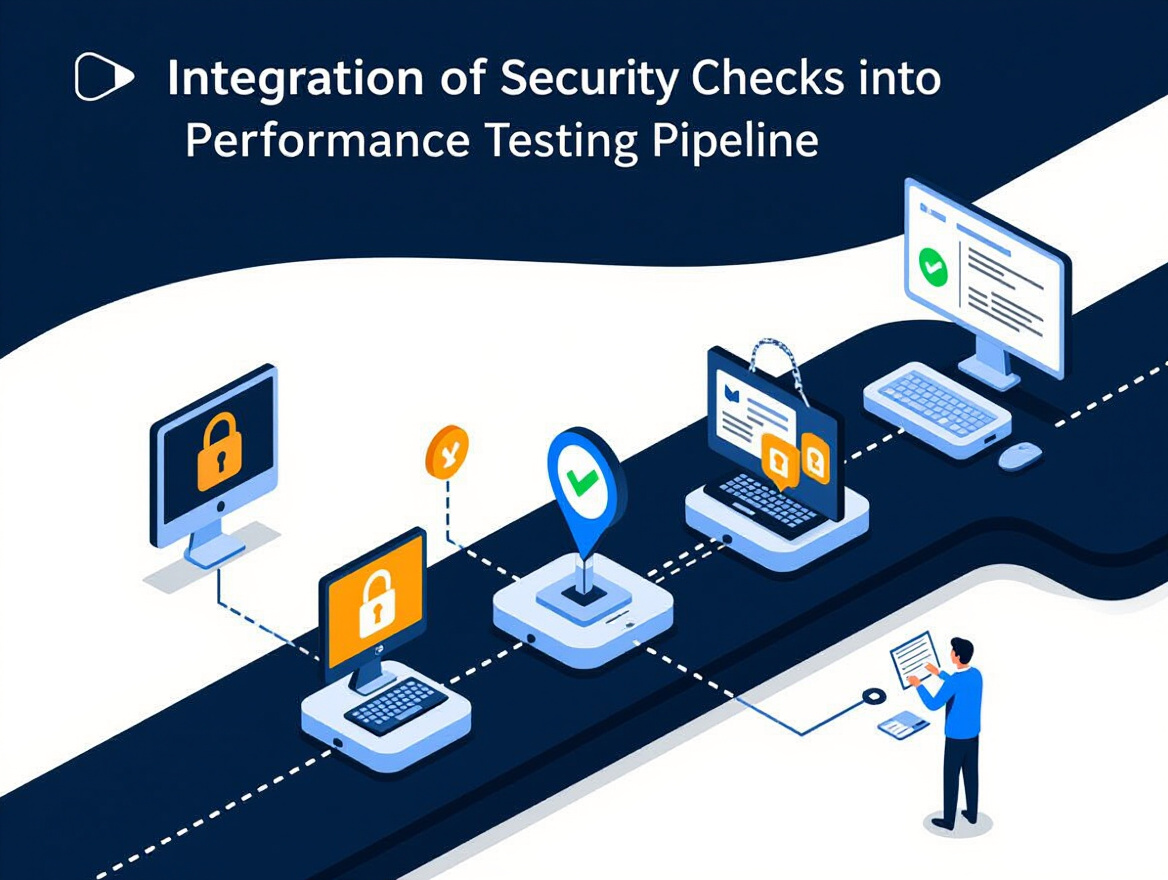
Security failures are rarely the result of a single bug. More often, they are the cumulative effect of overlooked stress points that only surface when systems are pushed beyond their comfort zone. Integrating performance testing security practices makes these weaknesses visible – before attackers or peak usage do. Here’s where security actually fails under load, and how engineering teams can catch what isolated tests miss.
Key Insight: Security controls that appear strong in isolation can become unreliable or even counterproductive when subjected to real-world concurrency and load.
Authentication Systems: Before and After Integrating Security into Load Tests
Modern authentication – such as OAuth, SSO, and JWT-based flows – involves more than a login screen. Each handshake, token validation, and cryptographic operation draws on CPU and memory resources already under stress during high-traffic moments. SSL/TLS handshakes, in particular, add significant resource cost. What works in a staging environment may buckle under thousands of simultaneous requests.
| Before: Isolated Security Testing | After: Integrated Load & Security Testing |
|---|---|
|
|
The difference is clear. In the “before” pattern, security and load are siloed, allowing dangerous gaps to slip through. In the “after” scenario, integrated testing uncovers the real tipping point – where concurrency exposes vulnerabilities such as session fixation, incomplete verification, or race conditions in token issuance. This is why teams in high-stakes industries like fintech are shifting to resilience engineering, as discussed in our case study on API throughput for financial platforms.
Memory and Buffer Management: Detecting Hidden Flaws
Some flaws only manifest under scale. Buffer overflows and race conditions can hide during functional testing, but emerge dramatically when concurrency ramps up. A login endpoint that works with 100 simulated sessions may start corrupting memory or crashing at 10,000 concurrent requests. Attackers know this, often timing exploit attempts with traffic spikes or orchestrated DDoS events.
| Before | After |
|---|---|
|
|
In the “before” case, confidence is misplaced – standard tests never stress the code enough to trigger the flaw. The “after” pattern, combining load and exploit simulation, surfaces subtle memory issues that could be catastrophic if left unfixed. This approach is especially relevant when running API performance issue detection or diagnosing production outages that only occur at peak traffic.
DDoS Masking and Agitation Point Exploits
Security failures are often timed with user activity spikes. Attackers blend malicious traffic with legitimate users during flash sales or seasonal surges, knowing defenders are distracted by the noise. Performance testing security practices should include realistic DDoS simulations and concurrent security probing to reveal these hidden attack surfaces. Teams using continuous validation and AI-powered monitoring, as outlined in our post on continuous validation in performance testing, are well positioned to spot subtle anomalies and maintain both speed and safety.
Understanding the real-world failure patterns of security under load is about building confidence that your system won’t sacrifice safety for speed, regardless of traffic intensity or threat sophistication. This mindset is central to genuine resilience in digital infrastructure.
Framework: The Five Pillars of Performance Testing Security
Performance testing security requires more than tracking latency or throughput under load. Protecting systems as traffic surges and cyberattacks strike demands a structure that aligns load, stress, and scalability testing with real-time security scrutiny. The following framework distills the five core domains that must be addressed for effective, resilient testing.
The Five Pillars at a Glance
| Pillar | Description | Sample Metrics | Common Oversights |
|---|---|---|---|
| Load & Stress Validation | Simulate traffic spikes, concurrent users, and peak transaction volumes to surface performance bottlenecks and resource exhaustion risks. | Max concurrent sessions, response time at 95th percentile, resource saturation points | Ignoring security controls (e.g., authentication, encryption) during stress tests; focusing only on average response times |
| Security Under Load | Test the resilience of authentication, encryption, and access controls when application is under heavy or malicious load. | Success/failure rates of login attempts, SSL/TLS handshake times, rate of security check failures under load | Running vulnerability scans on idle systems; failing to simulate attacks during real peak traffic scenarios |
| Real-Time Security Impact Monitoring | Measure how security features affect system performance in real time – monitoring for slowdowns, failures, and bypasses as they happen. | Security feature latency, CPU/memory usage of encryption/auth modules, incidence of failed or skipped security checks | Measuring security impact only after test completion; missing “fail open” scenarios where security is bypassed for speed |
| Automated Vulnerability & Penetration Testing | Integrate automated scans and pen tests into performance test cycles using AI where possible, to catch exploitable weaknesses under stress. | Number of exploitable vulnerabilities detected under load, anomaly detection alerts, risk prioritization scores | Running scans separately from performance tests; not updating test cases to reflect new attack vectors or automation capabilities |
| Compliance Validation Under Stress | Confirm that regulatory and industry compliance requirements (e.g., PCI DSS, HIPAA) are upheld when systems face maximum demand. | Compliance status during peak load, audit log integrity under stress, validation of encryption and access controls in real time | Assuming compliance at rest equals compliance under load; not logging or reviewing compliance failures that occur only at scale |
Putting the Pillars into Practice
Teams often focus on performance metrics in isolation and treat security as an afterthought. In reality, malicious actors exploit agitation points – such as high-traffic events – where security measures can buckle under stress. Automated, AI-driven tools now make it feasible to pair penetration testing with load simulation, uncovering weaknesses that would never appear in a quiet lab. For a practical walkthrough of designing such tests for API-heavy platforms, see the guide on load testing multi-tenant SaaS applications.
Organizations that integrate these five pillars – especially in cloud environments – are far more likely to catch issues that only surface when it matters most. Overlooking any one of them can mean missing the “tipping point” where a fast application becomes an insecure risk, or a secure app becomes unusable. Adopting this comprehensive framework is becoming a baseline expectation for resilient digital platforms in 2026.
AI and Automation: Closing the Gap Between Speed and Safety
Performance testing security is no longer a siloed discipline reserved for compliance audits. In 2026, AI-powered automation is essential for identifying security weaknesses that only appear when systems are under real-world stress. Platforms that embed security, performance, and resilience engineering in every stage of the test cycle – not as an afterthought, but as a core requirement – are setting new standards.
Traditional performance testing revealed how SSL/TLS handshakes, JWT validation, or intense authentication routines can consume CPU and memory, especially during peak load events. Today’s attackers deliberately target “agitation points” – moments when systems are busiest, hoping to slip past overwhelmed defenses. Manual testing alone cannot keep up with the complexity of these scenarios.
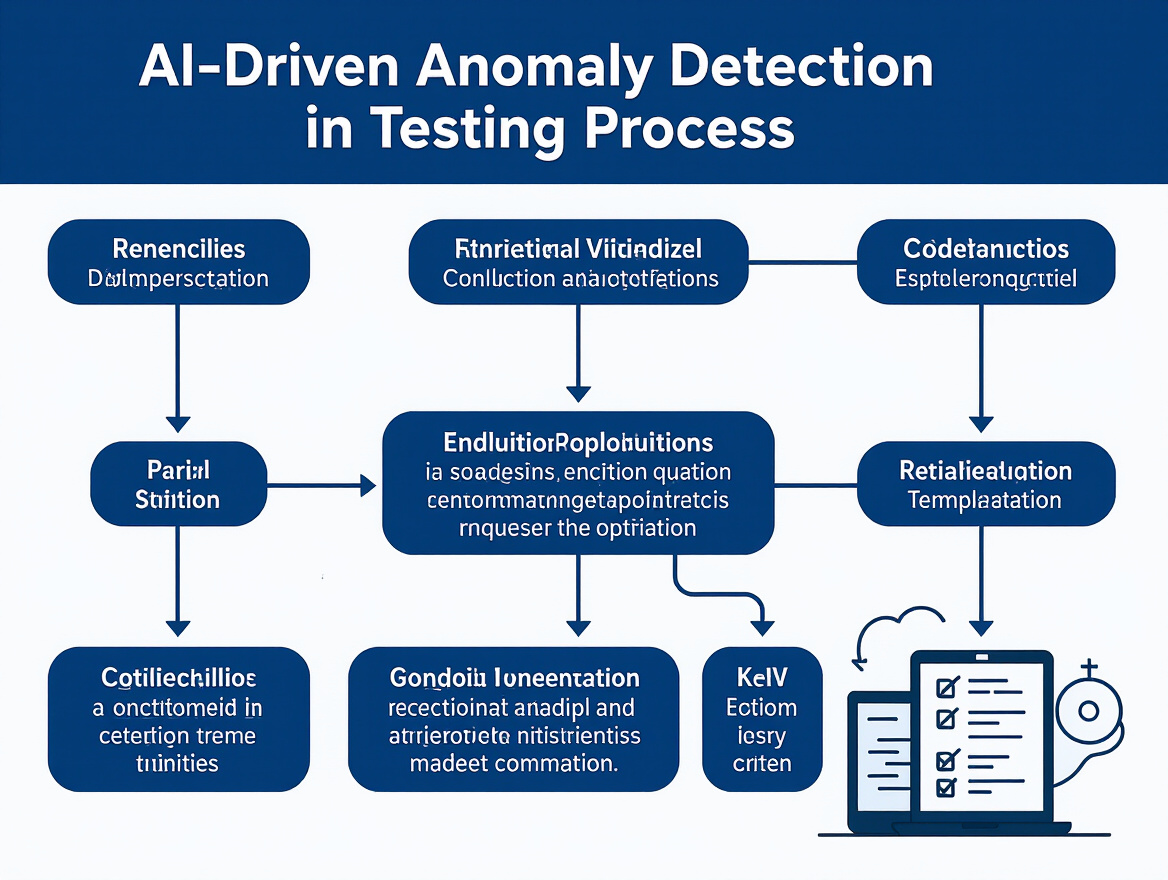
By integrating AI-driven anomaly detection into automated test pipelines, platforms can now flag issues that would never surface in smaller, static test sets. For example, a memory leak may only manifest when thousands of concurrent users bombard a login endpoint; a subtle race condition might surface only under simulated DDoS. AI tools excel at finding these load-dependent flaws by learning normal behavior patterns and highlighting deviations during stress tests.
Cloud testing platforms provide infrastructure to run massive, parallelized load tests, along with intelligence to correlate performance metrics like response time and throughput directly with security controls. This approach helps teams avoid the classic trap where speed gains come at the expense of safety – or where security features “fail open” and leave systems exposed during peak loads.
Key Insight: The real advantage of AI automation in performance testing security is its ability to reveal hidden risks that only emerge under load – long before they become production incidents.
Continuous Integration and Compliance: The New Normal
Automated CI/CD pipelines are now the backbone of modern software delivery. With compliance checks integrated from the earliest commit, security validation is no longer a bottleneck at the end of a release cycle. Platforms make it feasible to embed performance and security validations directly into the workflow – so every code change is automatically assessed for both speed and safety.
For teams adopting DevOps, this shift is crucial. Gone are the days when compliance meant days of manual review. Now, automated test scripts evaluate whether SSL handshakes degrade under load or if authentication mechanisms hold up during simulated flash sales. These validations run alongside functional and performance checks, providing continuous feedback as code moves from staging to production.
A practical blueprint for this approach is detailed in the Guide to Integrating Performance Testing with DevOps Toolchains (2026 Edition). Teams can orchestrate scheduled performance tests, integrate security scanning tools, and trigger compliance checks in response to pull requests or deployment events. The result is a system where risk is managed proactively, not reactively.
Industry leaders in high-stakes environments – such as finance, healthcare, and e-commerce – now treat this level of continuous validation as standard. As automation matures, the expectation is shifting: every organization, regardless of scale, will need to maintain this dual focus on performance and security to stay competitive and compliant.
Counterpoint: Is Performance Testing Security Overkill for All Apps?
The Case Against: Resource Cost and Relevance
The main argument against integrating performance testing security into every application centers on resource allocation and practicality. Teams working on smaller, static, or internal-facing apps often cite limited budgets, tight deadlines, and a perceived lack of risk. They argue that adding security checks to lightweight performance test suites introduces complexity, slows down releases, and diverts attention from business-critical features.
For example, a simple informational website or an internal tool with a fixed user base may not seem to warrant the same scrutiny as a high-traffic e-commerce or banking platform. Why simulate DDoS attacks or stress-test authentication endpoints when your app only serves a handful of users?
Why the Minimal Approach Is No Longer Enough
This logic made sense when attacks were mostly manual and targeted. In 2026, automated exploit attempts scan and probe even the most obscure public endpoints. Security researchers and malicious actors alike use AI-driven tools to find weaknesses at scale. Static, low-profile apps are now caught in botnets that test for default credentials or outdated SSL configurations during high network activity, hoping to “fail open” under load.
Even “unimportant” apps can become footholds for lateral movement, privilege escalation, or data exfiltration. When attackers strike during traffic spikes, vulnerabilities that only emerge under load – such as memory leaks or authentication failures – become real entry points. Issues like buffer overflows or slow cryptographic validation often appear only at scale, making baseline security checks under load essential.
Table Stakes for Public-Facing Systems
Minimal, automated security testing – at least for authentication, encryption, and basic compliance – is now a baseline expectation for any public-facing system. Modern cloud testing platforms make it feasible to run these checks as part of your standard performance test pipeline. See how some teams are already blending security and load testing in continuous validation workflows without overwhelming their resources.
Performance testing security is no longer just for high-stakes apps. It’s a necessary safeguard, even for projects that once seemed too small or too static to matter. The cost of skipping these checks is often only clear after the fact – when a minor breach in a “low-risk” system spirals into a wider compromise.
Application Context: Balancing Performance and Security by Industry
The reality of performance testing security is that context matters. Every industry faces unique trade-offs between speed and safety, and the tension grows as systems scale and architectures evolve. The right balance looks very different for a high-velocity e-commerce site versus a healthcare platform handling sensitive patient data.
In e-commerce, checkout speed under peak load can make or break sales, especially during flash events. Customers expect instant authentication and payment processing. Here, performance engineers may push for minimal latency, but the stakes for security breaches are significant, especially with stored payment information. Security protocols like SSL/TLS and token validation add overhead. The challenge is to test not just for baseline speed, but for how these controls hold up when thousands of users hit the system simultaneously – a scenario attackers often exploit. For practical strategies on maintaining speed without compromising safety, see our case study on boosting e-commerce checkout speed at peak load.
Healthcare and financial applications must prioritize uncompromised data protection and regulatory compliance. A minor performance dip is tolerable if it preserves encryption, access controls, and audit trails. Here, performance testing security means verifying that systems never “fail open” – for example, skipping security checks under load just to preserve uptime. In these sectors, AI-driven automation can help detection of subtler risks, but expert oversight remains necessary to ensure nuanced threats don’t slip through.
Platform choice further shapes priorities. APIs are often the primary attack surface. Strong monitoring under real-world load is critical, as attackers know to strike when legitimate traffic peaks. Monitoring tools that provide real-time insights into latency, error rates, and authentication failures are essential for both prevention and detection – see this overview of API monitoring tools for real-time performance and availability.
Mobile and serverless architectures introduce another layer of complexity. Mobile apps are prone to unpredictable spikes – such as after a campaign push or sudden viral growth. Serverless environments can auto-scale but often reveal new stress points where security controls must keep up with ephemeral, stateless workloads. For a deeper look at these unique stress/security interactions, our guide to performance testing serverless architectures breaks down common pitfalls and mitigation tactics.
Case Example: API Performance Testing and Security
Financial platforms offer a clear example of why API-specific performance testing security is important. In a LoadFocus case study on boosting API throughput for a high-frequency trading service, the engineering team found that SSL certificate validation and JWT token authentication accounted for a significant portion of API response time under stress. During simulated market surges, authentication failures spiked – not due to business logic flaws, but because of resource exhaustion in the security stack.
Attackers often exploit these patterns, blending credential stuffing attempts with legitimate high-volume trading activity. This makes it essential to run integrated load and security tests that mimic both honest and adversarial behaviors. The team’s solution: automate security checks alongside performance metrics, using real traffic patterns and integrating failure alerts into their CI/CD pipeline. This approach surfaced issues – such as memory leaks triggered only by simultaneous authentications – that would have been missed by siloed testing.
The takeaway: industry context, platform architecture, and real-world stressors must all inform your approach to performance testing security. Only by tailoring your strategy to your specific risk profile can you avoid the danger of “fast but unsafe” – or worse, “safe until you actually need it.”
How to Integrate Security Impact into Performance Testing
Integrating security impact into performance testing is about building resilience – ensuring your system’s security controls are as strong under peak stress as during routine operations. Done right, this approach exposes hidden vulnerabilities that only emerge when the system is under genuine pressure, not just in artificial “quiet hour” scenarios. For most teams, the challenge is knowing where to start and how to evolve from theory to daily practice.
| Before | After |
|---|---|
|
Test login and checkout flows for speed using a basic load test. Run a security scan separately on staging, often after performance tests are complete. Result: Security blind spots at high load, manual process, and uncorrelated results. |
Identify high-risk flows – like authentication and payment – then design performance tests that simulate peak concurrency while automating vulnerability scans and penetration tests within each load cycle. Monitor for both performance slowdowns and security failures (e.g., tokens leaking, rate limiting breaking, memory overflows). Result: Security risks are surfaced under real-world load, with actionable, correlated insights for both engineering and security teams. |
The “after” protocol outperforms the “before” by eliminating testing silos and catching failures that only appear with real concurrency. This approach prevents the classic scenario where fixes made for speed accidentally open up security gaps – an outcome no one wants to discover in production.
Scenario Planning: Simulating DDoS and Flash Sale Events
The fastest way to uncover security weaknesses under load is to start with your highest-risk user flows and stress them using scenarios that mimic both legitimate and hostile spikes. For web apps, that means testing authentication endpoints, payments, and critical API gateways under simulated flash sale or DDoS conditions.
- DDoS simulations should model not just volume, but the pattern of requests attackers use to overwhelm rate limiters, exhaust memory, or bypass authentication throttling. Many memory and buffer vulnerabilities only reveal themselves with this kind of agitation.
- Flash sale events are equally instructive. During a real sale, legitimate users generate authentication surges, heavy cart updates, and payment calls. Attackers know this chaos covers their tracks, so you need to test how security controls react when both real and suspicious traffic compete for resources.
Tools allow you to automate these scenarios, integrating vulnerability scans and penetration tests into the same suite that measures response time and throughput. AI-driven analysis can help you prioritize which issues – security or performance – are most likely to impact the business. For a deep dive on this topic, see this guide to load testing multi-tenant SaaS applications, which outlines how peak concurrency and security failures often intersect in shared environments.
Linking Test Results to Business Outcomes
The value of integrating security into performance testing goes beyond technical peace of mind. It’s about connecting findings to actual business KPIs: uptime, transaction completion rates, regulatory compliance, and ultimately, revenue protection.
- After running automated load and security tests, map every discovered issue to a potential business impact. For example, if an OAuth authentication bottleneck causes user logins to fail during a peak event, estimate resulting cart abandonment or support costs.
- Use real-time monitoring to watch resource consumption (CPU, RAM, bandwidth) for patterns that signal not just slowdowns, but security failures – like rate limiter exhaustion or session hijack attempts succeeding under load.
- Prioritize fixes by business risk, not just technical severity. A performance flaw that exposes sensitive data under stress is a board-level concern, not just an engineering ticket.
For practical strategies on connecting technical results to executive decision-making, reference How to Integrate Load Testing Results with Business KPIs for Better Decision Making in 2026. Teams that make this connection see faster buy-in for security and performance initiatives, and avoid the “it’s just a test failure” mentality that leads to real-world incidents.
While automation and AI reduce much of the manual work in performance testing security, they are not a replacement for human oversight. Rely on continuous validation, but always review the edge cases and anomalies that automation might miss. Security, like speed, is only as strong as its weakest real-world scenario.
Strategic Implications: The Future of Performance Testing Security
By 2028: Security Under Load as the New Baseline
The days when security and performance could be tested in isolation are ending. By 2028, performance testing security will be a non-negotiable baseline for any enterprise-grade application. Regulators and enterprise customers will expect not just technical compliance, but demonstrable resilience under real-world load conditions. If a system’s security controls collapse when traffic spikes, routine penetration testing on idle systems will not suffice.
Regulatory and Market Pressure Will Reshape Testing Norms
Industry regulators are already scrutinizing how applications behave during surges – whether caused by legitimate user growth or hostile spikes like DDoS attacks. Customers in sectors like financial services and healthcare increasingly ask vendors to provide audit trails and evidence that security protocols (such as SSL/TLS handshakes and token validation) withstand peak loads. Failing these tests will quickly become a deal-breaker for enterprise contracts.
Projects that treat performance testing security as an afterthought will face spiraling technical debt. Once architectural flaws or security gaps are exposed under scale, remediation becomes expensive, often requiring deep refactoring. Teams that delay this integration may also suffer reputational damage – a single breach or catastrophic slowdown during a high-profile launch can erode trust instantly. For a deeper look at how these failures manifest in real-world scenarios, see our analysis of common API performance issues.
AI-Driven, Integrated Testing Is the Only Sustainable Path
The future of performance testing security will be defined by automation and AI-powered analysis. These integrated approaches are already standard in leading cloud and hybrid environments, combining real-time vulnerability scanning, compliance checks, and load simulation in a single workflow. Platforms that emphasize continuous validation – where every code push is tested for both speed and security under realistic concurrency – will set the standard. For practical advice on embedding these practices, our guide on continuous validation covers strategies for integrating security into every stage of the pipeline.
By 2028, organizations that view performance testing security as a checkbox item will be outpaced by competitors who treat it as a core pillar of digital trust. The expectation will not be “if” you test security under load, but “how well” – and how continuously – you do it.
Frequently Asked Questions
What is performance testing security?
Performance testing security is the practice of evaluating how well an application’s security controls hold up under high user load or system stress. Rather than testing security features (like SSL/TLS handshakes or authentication flows) in isolation, you run them in conjunction with load tests to ensure encryption, access controls, and data validation remain reliable when the system is busiest. This approach exposes issues that only arise under pressure, such as memory leaks, authentication failures, or “fail open” scenarios where security checks are bypassed to keep the app running fast.
Why is it critical to combine performance and security testing?
Testing security under load is essential because many real-world threats, like DDoS attacks or credential stuffing, intentionally target peak traffic periods to mask malicious activity within legitimate user traffic. Traditional approaches often test performance and security separately, leaving hidden gaps. By integrating security checks into your performance tests, you can identify the tipping point where safeguards start to degrade, as described in our analysis of common API performance issues.
What types of vulnerabilities are most likely to show up only under load?
Certain issues, such as memory vulnerabilities (like buffer overflows), authentication failures, and rate-limiting bypasses, often go undetected until the system is stressed. For example, OAuth or JWT tokens may validate perfectly in low-traffic scenarios but fail when thousands of concurrent users hit the system, resulting in either blocked access or, worse, accidental privilege escalation. Attackers exploit these “agitation points” to slip past protections while attention is focused elsewhere.
How can automation and AI help with performance testing security?
Automation enables continuous, repeatable security and performance validation as part of your DevOps pipeline. Automated security scans, penetration tests, and compliance checks run alongside load and stress tests to provide a complete picture of risk. AI-powered tools add another layer, spotting subtle performance bottlenecks or security anomalies that manual testers might miss. AI can also prioritize which risks are most urgent, helping teams focus limited resources where they matter most. For a closer look at how AI is reshaping these practices, review our analysis of AI’s impact on automated test script generation.
Is performance testing security equally important for all industries?
While all organizations benefit from integrating performance and security testing, the balance of priorities shifts depending on context. Banking and fintech platforms demand airtight security and millisecond response times to meet regulatory and user expectations. For e-commerce, the focus often leans toward maintaining user experience during sales events, but security still can’t be a second thought. Industries handling sensitive data (like healthcare or government) must ensure security never gets sacrificed for speed, even under stress. For strategies tailored to e-commerce, see our guide on optimizing e-commerce website performance.
Can automation fully replace manual security analysis?
Automation speeds up testing and broadens coverage, but it’s not a silver bullet. Some vulnerabilities require human judgment to interpret complex attack patterns, compliance nuances, or business logic risks. The most effective teams pair automated and AI-driven tests with expert manual analysis to ensure nothing slips through the cracks, especially during rapid releases or when new tech stacks are introduced.
How can I start integrating performance and security testing?
Begin by running load and stress tests that incorporate authentication, encryption, and access control checks under high concurrency. Integrate automated vulnerability scans and regular pen tests directly into your CI/CD pipeline. Simulate real-world scenarios – like traffic spikes and DDoS attacks – so your team can observe how security features behave under pressure. Over time, refine your approach by layering in AI-driven analytics and calibrating test scripts to your application’s unique risk profile.
As cyber threats and user expectations rise, enterprises that excel at performance testing security position themselves to deliver both speed and safety – no matter how intense the next traffic surge or attack may be.
Published through PostNext service