
Top 7 Cloud Testing Tools for Performance Testing in 2026
Seven cloud performance testing tools compared for 2026: what scripts each runs, where the load comes from, and how each fits CI, checked on vendor sites.
Newest first. 315 load testing, JMeter, test automation and monitoring guides, plus tool comparisons. Browse by topic from the blog home.

Seven cloud performance testing tools compared for 2026: what scripts each runs, where the load comes from, and how each fits CI, checked on vendor sites.

Automated load testing for microservices with LoadFocus: one test per service, pass/fail thresholds, a CI/CD gate and scheduled runs, step by step.

Cut JavaScript main-thread blocking: long tasks, INP, defer and async, code splitting, yielding and web workers, plus what a backend load test does not measure.

Sample non functional requirements with measurable targets for performance, availability and security, plus a template, e-commerce examples and tests.

REST Assured is a Java library for functional API tests. Set up 6.2.0 with JUnit 5, run it against a public API, and see why it is no load tool.
Software performance engineering builds speed in from design to production. What it is, how it differs from performance testing, and how to start, step by step.

A canary sends a small traffic slice to the new version so failures stay small and reversible.
Compare application performance monitoring tools: what APM shows, how Datadog, New Relic, open source options charge, and where synthetic checks fit.

Smoke testing verifies that a build's critical paths work before deeper testing starts. How it differs from sanity and regression testing, with examples.

An online API tester sends HTTP requests from a browser. See what it does well, where CORS, private networks and secrets limit it, and when to use curl or k6.

Unit tests check a piece in isolation; functional tests check behaviour a user would notice.

Concurrency testing finds races, deadlocks and lost updates when operations overlap. Runnable Python demos with fixes, and how it differs from load testing.
Using CSV data in JMeter tests: plan the file, give every thread its own rows, handle end of file, pick a sharing mode and parameterise logins.

Run a load test without writing a script, then get AI analysis tuned to your tech stack. What it reads, what the output looks like, and what it cannot tell you.

Batch testing groups related cases into one run, which cuts setup cost and shortens feedback.

Continuous integration tools compared: pipeline speed decides whether CI gets used, ecosystem fit saves weeks, and self-hosting means a runner fleet to run.

Contract testing checks that a provider and consumer still agree, without running both together.

Chrome developer tools for mobile: remote USB debugging shows the real device, device mode is for layout, and throttling shows what slow connections do.

JMeter parameterization replaces hardcoded values with variables. Compare CSV Data Set Config, __P, User Parameters and random functions, run on JMeter 5.6.3.

Performance testing companies in 2026: hire for a one-off launch rather than continuous testing, and ask whether they leave scripts behind or just a report.
The JMeter ramp-up period is the time Thread Group takes to start all its threads. Formula, a measured 100-thread example, and why ramp-up is not concurrency.
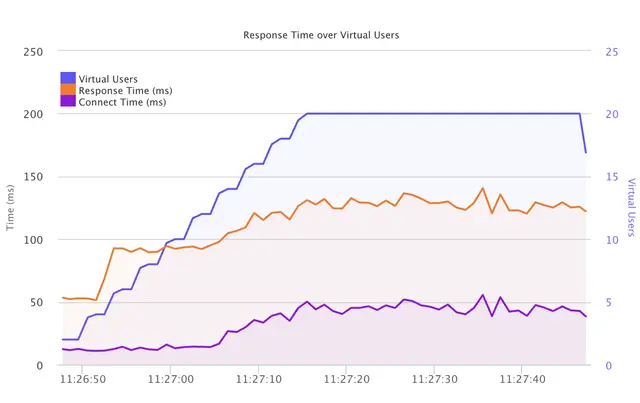
gRPC load testing tools must speak HTTP/2 and protobuf. Compare five options, and test streaming calls separately because they behave differently under load.

Concurrent, simultaneous and active users are three different numbers, and mixing them invalidates the test.

The hard part is realism: matching real user behaviour, data and think time.
Don’t miss out on the latest testing tips and tricks, tools and news related to software testing.
Already +20,000 members in the list.
Load test websites and APIs from 25 cloud regions, monitor page speed and uptime, and get AI analysis that explains your results in plain English.