
7 Common Performance Testing Mistakes (and How to Avoid Them) in 2026
The common mistakes are testing too late, testing an unrepresentative environment, and measuring averages.
Newest first. 300 load testing, JMeter, test automation and monitoring guides, plus tool comparisons. Browse by topic from the blog home.
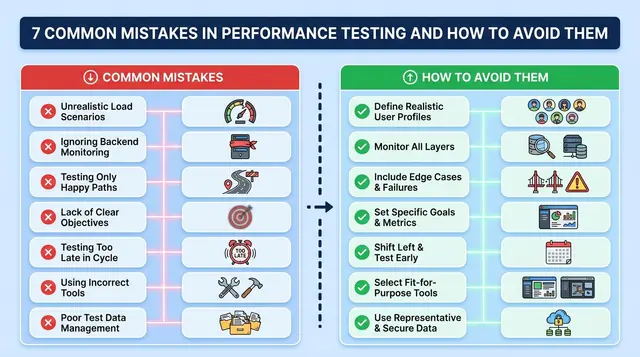
The common mistakes are testing too late, testing an unrepresentative environment, and measuring averages.

Test data is the exposure. Production copies in a test environment are the most common leak.
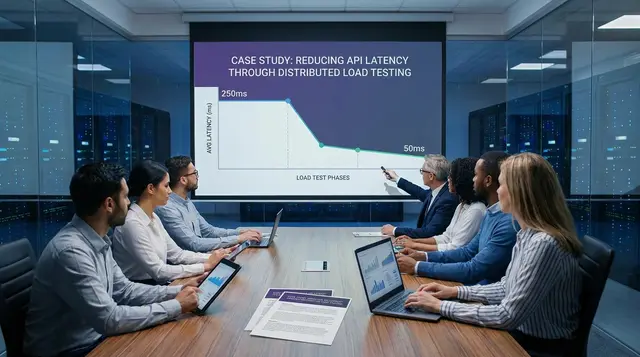
The fix came from finding which dependency dominated the tail, not the average. Re-testing after each change is what showed which one actually worked.
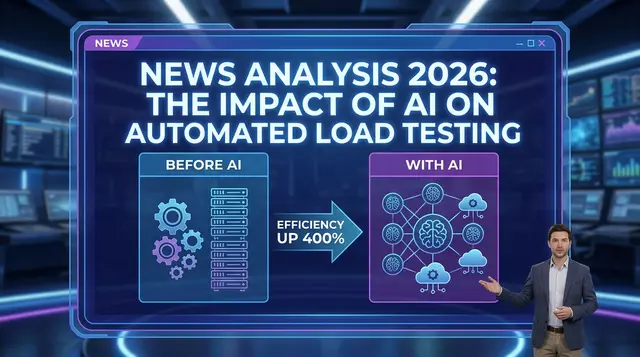
AI mainly changes test design: generating realistic scenarios instead of you hand-writing them.
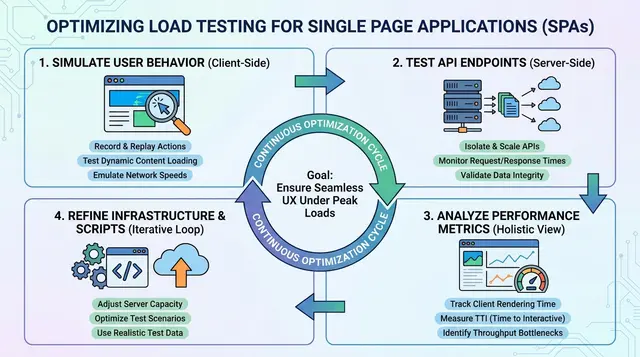
An SPA does its work after the initial HTML, so HTTP-level tests miss most of it. Test the API calls the app makes, weighted the way the app makes them.
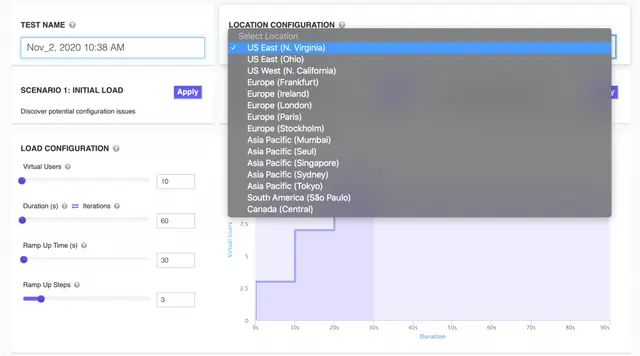
A virtual user simulates one person's session, pauses included. How VUs differ from requests per second, and why think time decides the ratio.
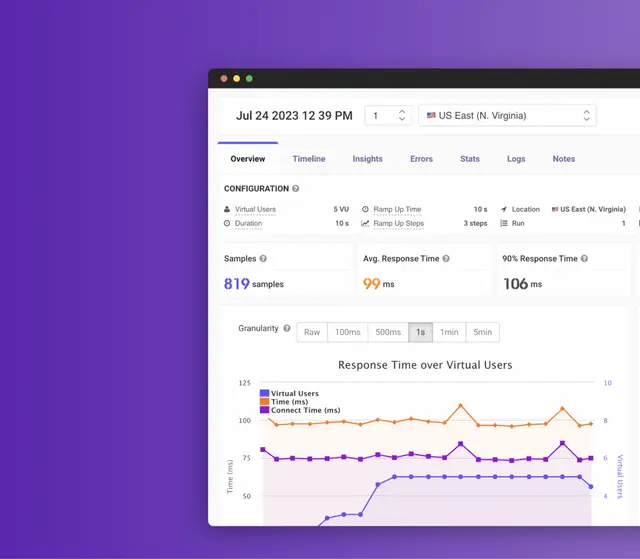
Load tests verify how your system behaves under expected traffic. Stress tests push past it to find the breaking point.

Mobile users abandon faster and on worse networks, so the tolerance is lower than desktop. Test on throttled connections rather than office wifi.

Cold starts make serverless latency bimodal, so averages describe neither case.
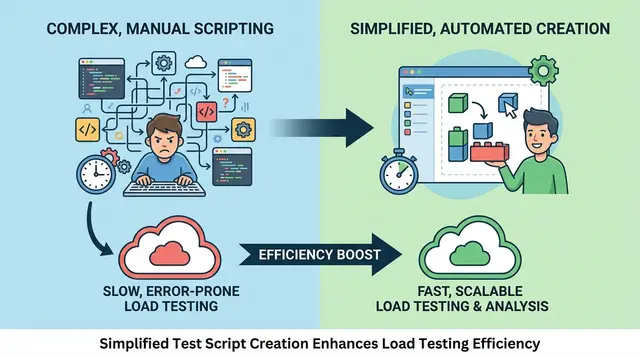
Most load testing time goes on writing and maintaining scripts, not on running them.
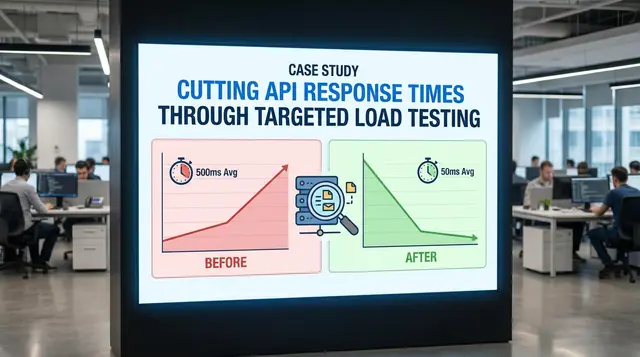
The bottleneck was found by measuring, not by guessing at the obvious candidates. Re-test after each change so you know which one actually mattered.
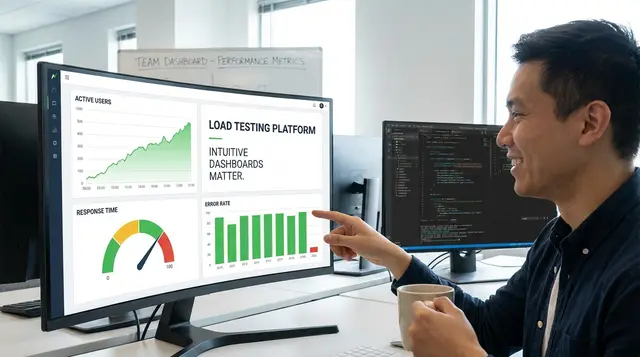
Usability drives adoption more than feature depth in testing tools. Show the few numbers that trigger a decision, not everything the platform can plot.
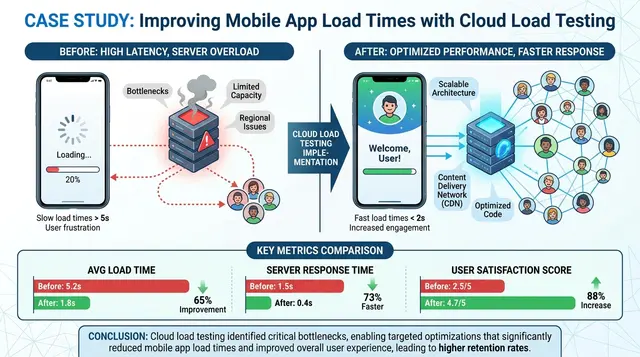
Mobile load time is dominated by network conditions rather than device speed. Testing from real regions surfaced delays that local testing never showed.
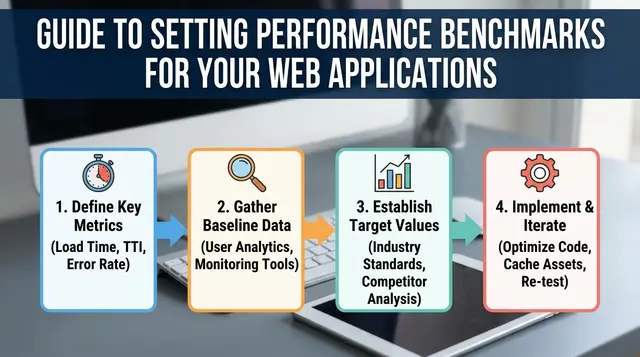
A benchmark is only useful against a stated target, not as an isolated number.
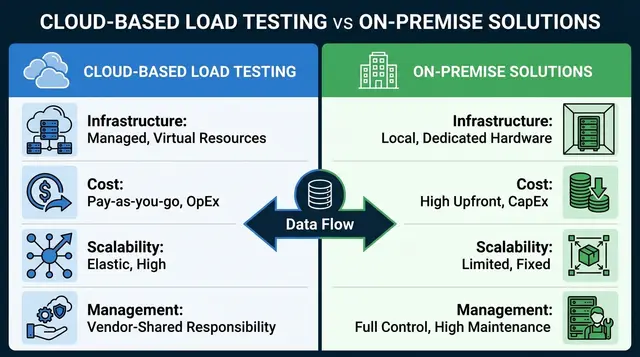
Cloud wins for startups on time to first test; on-premise wins only with strict data residency needs.
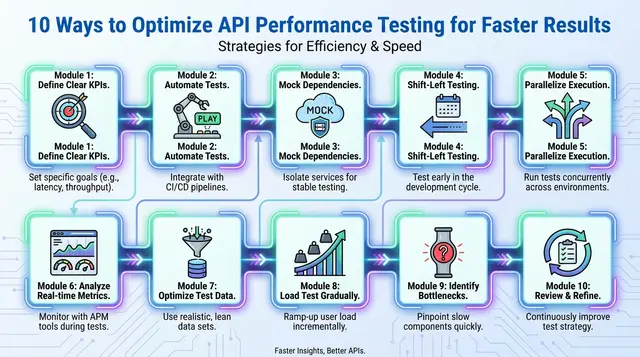
Most API test time goes on setup and data, not on the requests themselves.
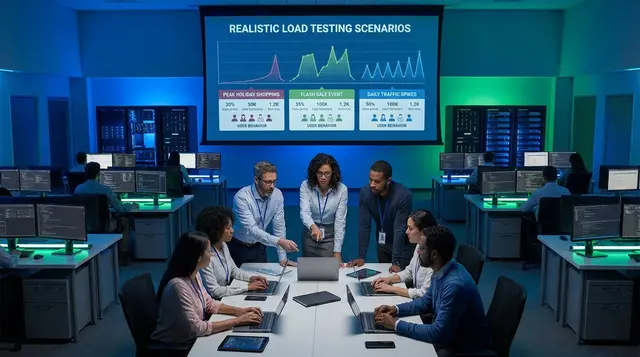
Model the funnel: browsing, search, cart and checkout have very different costs.
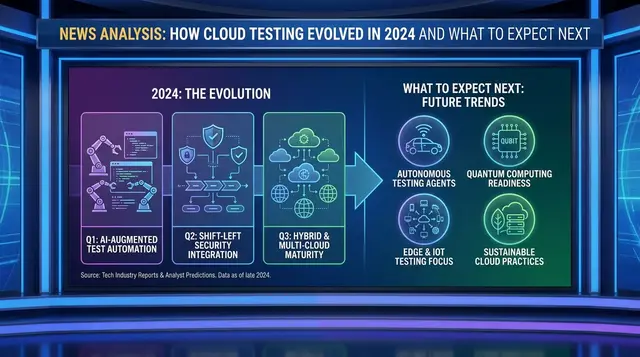
Testing has shifted from a release gate to a continuous signal, which changes how teams are staffed.

Adoption depends on how quickly someone unfamiliar can get a useful result. More automation on top of a confusing tool multiplies the confusion.
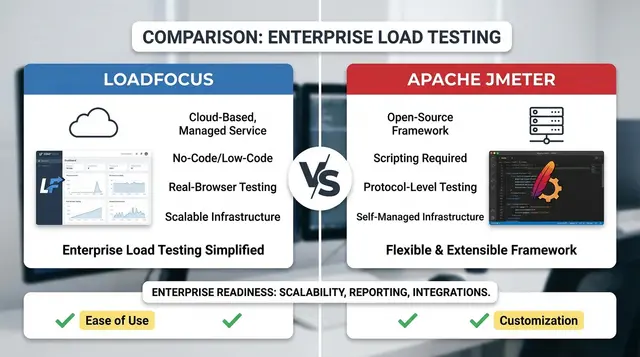
JMeter is free but the running cost is the infrastructure and expertise it needs.
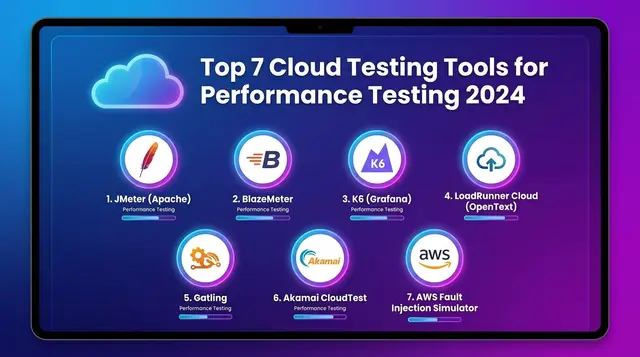
Cloud testing removes the load-generator capacity problem, which is what limits most on-premise tests.

Testing services in isolation misses the failures that only appear when they call each other.

JavaScript is usually the largest controllable cost on a modern page. Measure with a real device profile, since JS cost scales with CPU.

Non-functional requirements are testable numbers: response time, availability, throughput.
Don’t miss out on the latest testing tips and tricks, tools and news related to software testing.
Already +20,000 members in the list.
Load test websites and APIs from 25 cloud regions, monitor page speed and uptime, and get AI analysis that explains your results in plain English.