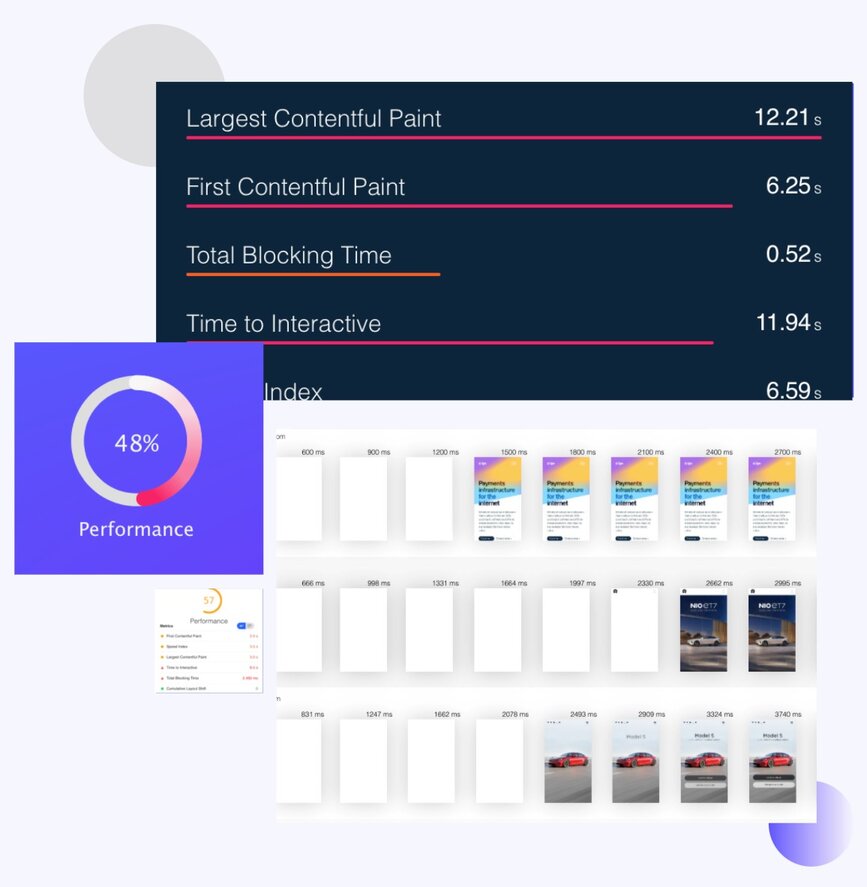
Infrastructure Testing for Continuous Performance Monitoring
<h2>What is Infrastructure Testing for Continuous Performance Monitoring?</h2><p>This template focuses on the continuous evaluation of your IT infrastructure’s performance, resilience, and scalability. It is designed to simulate real-world conditions using the <strong>LoadFocus</strong> load testing tool (<a href="https://loadfocus.com/load-testing">LoadFocus Load Testing Service</a>). With this template, you can run load tests with thousands of virtual concurrent users from more than 26 cloud regions, ensuring that every component of your infrastructure performs optimally under pressure.</p><h2>Why Do We Need Infrastructure Testing?</h2><p>Modern IT environments require constant monitoring to prevent downtime and performance degradation. This template guides you through comprehensive testing methodologies that help identify vulnerabilities, optimize resource allocation, and ensure that your systems are ready for unexpected spikes in demand.</p><h2>How Infrastructure Testing Works</h2><p>This template provides a structured approach to testing various infrastructure components—from network bandwidth to server response times. It leverages <strong>LoadFocus</strong> to simulate heavy load scenarios, collect performance metrics, and analyze the behavior of your systems under stress.</p><h3>The Basics of This Template</h3><p>The template outlines clear, actionable steps to design and execute infrastructure load tests. It is tailored to help you build realistic scenarios that reflect your operational environment.</p><h3>Key Components</h3><p>Essential elements include virtual user simulation, distributed testing from over 26 cloud regions, and real-time monitoring dashboards powered by <strong>LoadFocus</strong>.</p><h2>What Types of Infrastructure Load Tests Are There?</h2><p>This template covers a range of testing methods including stress, spike, endurance, scalability, and volume tests. Each method is explained with practical examples, ensuring you can adapt the tests to your specific infrastructure needs.</p><h2>Infrastructure Testing Frameworks</h2><p>While several frameworks exist, <strong>LoadFocus</strong> stands out by simplifying the setup, execution, and reporting of load tests across global regions. This template integrates these capabilities to provide a holistic view of system performance.</p><h2>Monitoring Your Infrastructure Tests</h2><p>Real-time monitoring is key to understanding system behavior under load. The template demonstrates how to use <strong>LoadFocus</strong> dashboards to track response times, error rates, and throughput, ensuring timely detection of performance issues.</p><h2>The Importance of This Template for System Performance</h2><p>This template acts as your blueprint for maintaining robust, high-performing infrastructure. It details methodologies that reduce downtime, optimize system capacity, and maintain service reliability even during peak usage.</p><h2>Best Practices for This Template</h2><p>Adhering to best practices is critical. The template emphasizes realistic scenario creation, regular testing cycles, and detailed analysis to ensure your infrastructure remains agile and resilient.</p><h2>Benefits of Using This Template</h2><p>Implementing this template with <strong>LoadFocus</strong> offers numerous advantages. It not only identifies potential system weaknesses but also provides actionable insights to enhance overall performance.</p><h3>Early Issue Detection</h3><p>Quickly spot infrastructure bottlenecks before they escalate into critical failures.</p><h3>Performance Optimization</h3><p>Refine configurations and resource allocations based on comprehensive test results.</p><h3>Enhanced Resilience</h3><p>Ensure your systems can withstand unexpected load surges without service interruptions.</p><h3>Dependency Visibility</h3><p>Monitor interactions between different infrastructure components to avoid cascading failures.</p><h3>Operational Insights</h3><p>Gather data to drive informed decisions regarding system improvements and upgrades.</p><h3>Service Level Assurance</h3><p>Meet or exceed SLA targets by continuously verifying performance metrics.</p><h3>Real-Time Alerts</h3><p>Receive immediate notifications of performance anomalies to enable prompt troubleshooting.</p><h2>Continuous Infrastructure Testing - The Ongoing Need</h2><p>This template is designed for continuous application, ensuring that your infrastructure remains robust over time through periodic and consistent testing.</p><h3>Consistent Performance Monitoring</h3><p>Regular tests help maintain a clear picture of system performance, even as conditions change.</p><h3>Proactive Problem Resolution</h3><p>Identify and address issues before they impact your users.</p><h3>Scalability Verification</h3><p>Confirm that your infrastructure can scale efficiently in response to growing demand.</p><h3>Maintaining Security Posture</h3><p>Incorporate security checks to safeguard your systems during high-load scenarios.</p><h3>Long-Term Trend Analysis</h3><p>Analyze performance trends over time to support continuous improvement initiatives.</p><h3>Ensuring High Availability</h3><p>Guarantee that your services remain accessible, even under extreme conditions.</p><h3>Streamlined Incident Response</h3><p>Leverage historical data for faster root cause analysis and recovery.</p><h3>Ongoing System Optimization</h3><p>Continuously refine your infrastructure to improve efficiency and reliability.</p><h2>Infrastructure Testing Use Cases</h2><p>This template is ideal for organizations aiming to secure uptime and maintain peak performance across diverse environments, including cloud-based, on-premises, and hybrid infrastructures.</p><h2>Common Challenges in Infrastructure Testing</h2><p>The template addresses common challenges such as scalability issues, resource allocation, and integration complexities, providing strategies to overcome each hurdle.</p><h2>Ways to Run Infrastructure Load Tests</h2><p>The template illustrates various approaches—from quick, preliminary tests to complex, multi-step simulations—that reflect real-world infrastructure demands using <strong>LoadFocus</strong>.</p><h2>Getting Started with This Template</h2><p>Begin by importing the template into your <strong>LoadFocus</strong> project. Follow the step-by-step instructions to configure tests that mimic your production environment.</p><h2>How to Set Up Infrastructure Testing</h2><p>The process involves defining test parameters such as cloud regions, user load, and test duration. Detailed guidelines in the template help you set up tests that yield actionable performance metrics.</p><h2>Testing Integrations</h2><p>This template supports integration with tools like Slack, PagerDuty, and Jira, ensuring that alerts and test results are seamlessly communicated across your teams.</p><h2>Why Use LoadFocus with This Template?</h2><p><strong>LoadFocus</strong> enhances the testing process by enabling distributed load simulations from over 26 cloud regions. Its robust analytics and real-time monitoring tools provide clear insights into your infrastructure's performance under pressure.</p><h2>Final Thoughts</h2><p>This template is your comprehensive guide to continuous infrastructure performance monitoring. By leveraging <strong>LoadFocus</strong> load testing, you ensure that your systems are resilient, scalable, and optimized to handle high-stress scenarios.</p><h2>FAQ on Infrastructure Testing for Continuous Performance Monitoring</h2><h3>What is the Goal of Infrastructure Testing?</h3><p>It aims to verify that all components of your IT infrastructure can handle high loads while maintaining optimal performance.</p><h3>How is This Template Different from Generic Load Testing?</h3><p>This template specifically targets infrastructure components, providing tailored scenarios and metrics that address the unique challenges of IT environments.</p><h3>Can I Customize the Template for Different Infrastructure Components?</h3><p>Yes, the template is highly adaptable to various systems including servers, networks, and storage units.</p><h3>How Often Should I Use This Template?</h3><p>Regular testing is recommended—at least monthly or ahead of major infrastructure changes—to ensure consistent performance.</p><h3>Is This Template Suitable for All Sized Enterprises?</h3><p>Absolutely. It can be scaled to meet the needs of both small businesses and large enterprises.</p><h3>Do I Need a Dedicated Testing Environment?</h3><p>While a pre-production environment is ideal, some organizations may run tests in production during off-peak hours with caution.</p><h3>How Does Geo-Distributed Testing Help?</h3><p>Testing from more than 26 cloud regions provides realistic insights into global performance variations and network latencies.</p><h3>Do I Need Additional Tools Besides This Template?</h3><p>The template and <strong>LoadFocus</strong> cover most testing requirements, though integration with other monitoring tools can enhance insights.</p><h3>How to Troubleshoot Infrastructure Bottlenecks?</h3><p>Review detailed logs and performance charts provided by <strong>LoadFocus</strong> to identify and resolve issues swiftly.</p><h3>What Impact Does Infrastructure Testing Have on SLAs?</h3><p>Regular testing ensures your systems meet service level agreements by maintaining high availability and optimal performance.</p><h3>Can I Run Tests on Hybrid Cloud Environments?</h3><p>Yes, the template is designed to work seamlessly across cloud, on-premises, and hybrid infrastructures.</p>
What is Infrastructure Testing for Continuous Performance Monitoring?
This template focuses on the continuous evaluation of your IT infrastructure’s performance, resilience, and scalability. It is designed to simulate real-world conditions using the LoadFocus load testing tool (LoadFocus Load Testing Service). With this template, you can run load tests with thousands of virtual concurrent users from more than 26 cloud regions, ensuring that every component of your infrastructure performs optimally under pressure.
Why Do We Need Infrastructure Testing?
Modern IT environments require constant monitoring to prevent downtime and performance degradation. This template guides you through comprehensive testing methodologies that help identify vulnerabilities, optimize resource allocation, and ensure that your systems are ready for unexpected spikes in demand.
How Infrastructure Testing Works
This template provides a structured approach to testing various infrastructure components—from network bandwidth to server response times. It leverages LoadFocus to simulate heavy load scenarios, collect performance metrics, and analyze the behavior of your systems under stress.
The Basics of This Template
The template outlines clear, actionable steps to design and execute infrastructure load tests. It is tailored to help you build realistic scenarios that reflect your operational environment.
Key Components
Essential elements include virtual user simulation, distributed testing from over 26 cloud regions, and real-time monitoring dashboards powered by LoadFocus.
What Types of Infrastructure Load Tests Are There?
This template covers a range of testing methods including stress, spike, endurance, scalability, and volume tests. Each method is explained with practical examples, ensuring you can adapt the tests to your specific infrastructure needs.
Infrastructure Testing Frameworks
While several frameworks exist, LoadFocus stands out by simplifying the setup, execution, and reporting of load tests across global regions. This template integrates these capabilities to provide a holistic view of system performance.
Monitoring Your Infrastructure Tests
Real-time monitoring is key to understanding system behavior under load. The template demonstrates how to use LoadFocus dashboards to track response times, error rates, and throughput, ensuring timely detection of performance issues.
The Importance of This Template for System Performance
This template acts as your blueprint for maintaining robust, high-performing infrastructure. It details methodologies that reduce downtime, optimize system capacity, and maintain service reliability even during peak usage.
Best Practices for This Template
Adhering to best practices is critical. The template emphasizes realistic scenario creation, regular testing cycles, and detailed analysis to ensure your infrastructure remains agile and resilient.
Benefits of Using This Template
Implementing this template with LoadFocus offers numerous advantages. It not only identifies potential system weaknesses but also provides actionable insights to enhance overall performance.
Early Issue Detection
Quickly spot infrastructure bottlenecks before they escalate into critical failures.
Performance Optimization
Refine configurations and resource allocations based on comprehensive test results.
Enhanced Resilience
Ensure your systems can withstand unexpected load surges without service interruptions.
Dependency Visibility
Monitor interactions between different infrastructure components to avoid cascading failures.
Operational Insights
Gather data to drive informed decisions regarding system improvements and upgrades.
Service Level Assurance
Meet or exceed SLA targets by continuously verifying performance metrics.
Real-Time Alerts
Receive immediate notifications of performance anomalies to enable prompt troubleshooting.
Continuous Infrastructure Testing - The Ongoing Need
This template is designed for continuous application, ensuring that your infrastructure remains robust over time through periodic and consistent testing.
Consistent Performance Monitoring
Regular tests help maintain a clear picture of system performance, even as conditions change.
Proactive Problem Resolution
Identify and address issues before they impact your users.
Scalability Verification
Confirm that your infrastructure can scale efficiently in response to growing demand.
Maintaining Security Posture
Incorporate security checks to safeguard your systems during high-load scenarios.
Long-Term Trend Analysis
Analyze performance trends over time to support continuous improvement initiatives.
Ensuring High Availability
Guarantee that your services remain accessible, even under extreme conditions.
Streamlined Incident Response
Leverage historical data for faster root cause analysis and recovery.
Ongoing System Optimization
Continuously refine your infrastructure to improve efficiency and reliability.
Infrastructure Testing Use Cases
This template is ideal for organizations aiming to secure uptime and maintain peak performance across diverse environments, including cloud-based, on-premises, and hybrid infrastructures.
Common Challenges in Infrastructure Testing
The template addresses common challenges such as scalability issues, resource allocation, and integration complexities, providing strategies to overcome each hurdle.
Ways to Run Infrastructure Load Tests
The template illustrates various approaches—from quick, preliminary tests to complex, multi-step simulations—that reflect real-world infrastructure demands using LoadFocus.
Getting Started with This Template
Begin by importing the template into your LoadFocus project. Follow the step-by-step instructions to configure tests that mimic your production environment.
How to Set Up Infrastructure Testing
The process involves defining test parameters such as cloud regions, user load, and test duration. Detailed guidelines in the template help you set up tests that yield actionable performance metrics.
Testing Integrations
This template supports integration with tools like Slack, PagerDuty, and Jira, ensuring that alerts and test results are seamlessly communicated across your teams.
Why Use LoadFocus with This Template?
LoadFocus enhances the testing process by enabling distributed load simulations from over 26 cloud regions. Its robust analytics and real-time monitoring tools provide clear insights into your infrastructure's performance under pressure.
Final Thoughts
This template is your comprehensive guide to continuous infrastructure performance monitoring. By leveraging LoadFocus load testing, you ensure that your systems are resilient, scalable, and optimized to handle high-stress scenarios.
FAQ on Infrastructure Testing for Continuous Performance Monitoring
What is the Goal of Infrastructure Testing?
It aims to verify that all components of your IT infrastructure can handle high loads while maintaining optimal performance.
How is This Template Different from Generic Load Testing?
This template specifically targets infrastructure components, providing tailored scenarios and metrics that address the unique challenges of IT environments.
Can I Customize the Template for Different Infrastructure Components?
Yes, the template is highly adaptable to various systems including servers, networks, and storage units.
How Often Should I Use This Template?
Regular testing is recommended—at least monthly or ahead of major infrastructure changes—to ensure consistent performance.
Is This Template Suitable for All Sized Enterprises?
Absolutely. It can be scaled to meet the needs of both small businesses and large enterprises.
Do I Need a Dedicated Testing Environment?
While a pre-production environment is ideal, some organizations may run tests in production during off-peak hours with caution.
How Does Geo-Distributed Testing Help?
Testing from more than 26 cloud regions provides realistic insights into global performance variations and network latencies.
Do I Need Additional Tools Besides This Template?
The template and LoadFocus cover most testing requirements, though integration with other monitoring tools can enhance insights.
How to Troubleshoot Infrastructure Bottlenecks?
Review detailed logs and performance charts provided by LoadFocus to identify and resolve issues swiftly.
What Impact Does Infrastructure Testing Have on SLAs?
Regular testing ensures your systems meet service level agreements by maintaining high availability and optimal performance.
Can I Run Tests on Hybrid Cloud Environments?
Yes, the template is designed to work seamlessly across cloud, on-premises, and hybrid infrastructures.
Wie schnell ist Ihre Website?
Steigern Sie ihre Geschwindigkeit und SEO nahtlos mit unserem kostenlosen Geschwindigkeitstest.Du verdienst bessere Testservices
Mühelos Websites lasttesten, Seitengeschwindigkeit messen und APIs überwachen – mit einer einzigen, kosteneffizienten und benutzerfreundlichen Lösung.Beginne jetzt mit dem Testen→